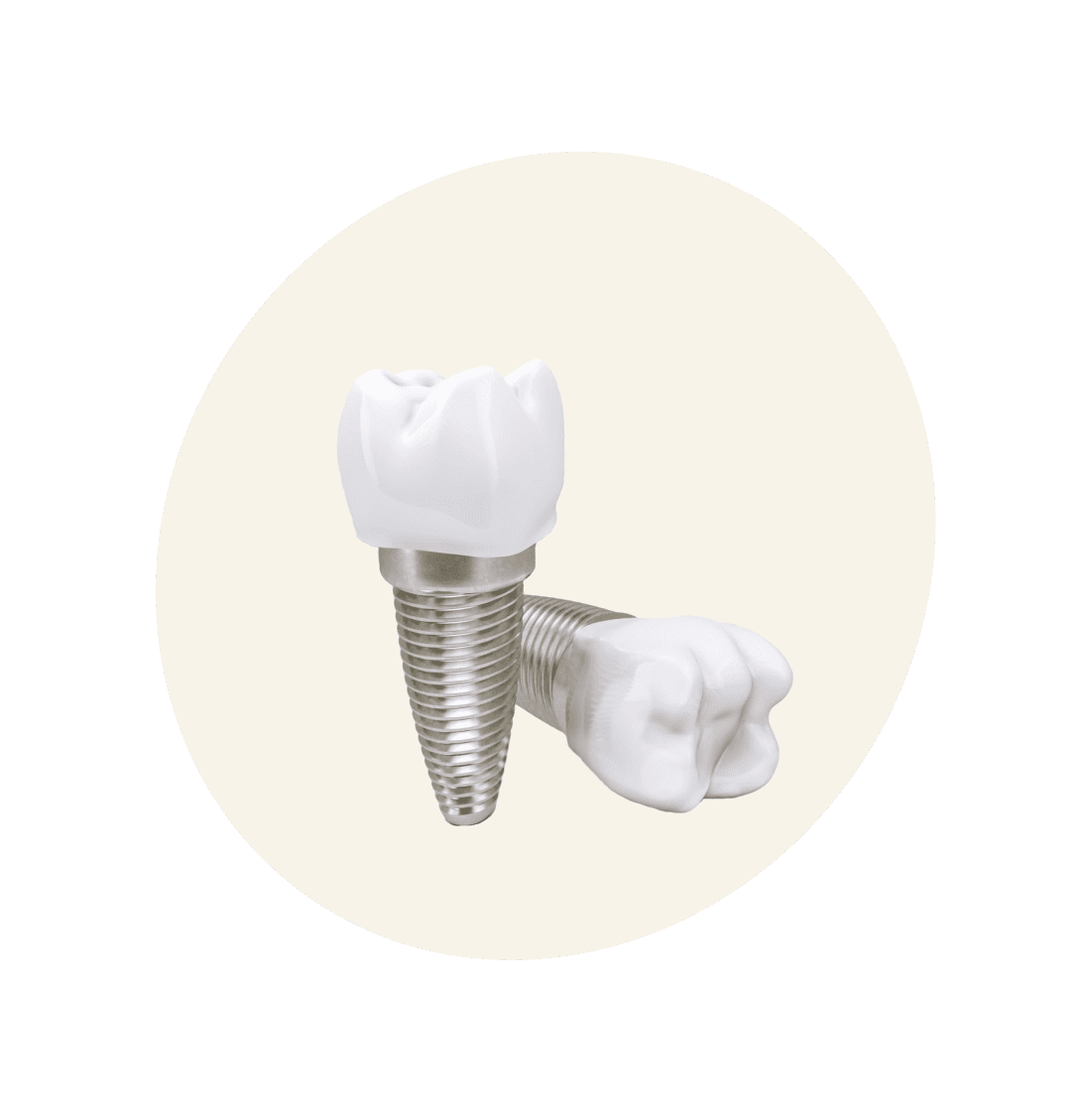
Save your natural tooth and eliminate pain with gentle root canal therapy at Bite Club. Our Bucktown dentists use modern techniques and microscope-enhanced precision to make root canals more comfortable than you expect, helping Chicago patients preserve their smiles and avoid extractions.
Severe tooth pain often signals an infection deep inside your tooth. The pulp—the soft tissue containing nerves and blood vessels inside your tooth—can become infected from deep decay, repeated dental procedures, cracks, or trauma. When this happens, root canal treatment removes the infected tissue and saves your tooth.
Signs you might need a root canal include severe toothache, especially when chewing or applying pressure, prolonged sensitivity to hot or cold that lingers after the temperature source is removed, darkening of the tooth, swelling and tenderness in nearby gums, or a persistent pimple-like bump on your gums. Some infected teeth cause no symptoms initially, which is why regular dental exams matter. Without treatment, the infection spreads, causing more pain and potentially requiring extraction. Root canal therapy stops the infection and preserves your natural tooth.
Root canal therapy has an unfair reputation. Modern techniques and anesthesia make the procedure comfortable—most patients report it feels similar to getting a filling. At Bite Club, we use microscopes to see inside your tooth clearly, allowing for more precise, minimally invasive treatment.
During the procedure, Dr. Huynh numbs the area completely. She creates a small opening in your tooth to access the infected pulp, removes the damaged tissue, carefully cleans and shapes the root canals, and fills the space with a biocompatible material. The tooth is then sealed with a temporary filling. Most root canals are completed in one appointment lasting 60-90 minutes. You’ll return later for a permanent dental crown to protect and strengthen the treated tooth.
Keeping your natural tooth is always better than extraction when possible. Your natural tooth root stimulates and maintains the jawbone, preventing the bone loss that occurs with missing teeth. Natural teeth function better than any replacement, maintaining proper spacing and preventing neighboring teeth from shifting.
Replacing an extracted tooth with an implant or bridge costs more and requires additional procedures. Root canal therapy is a conservative, cost-effective way to preserve your natural tooth for decades. After treatment and crown placement, your tooth functions normally—you can eat, speak, and smile without thinking about it. Most root canal treated teeth last a lifetime with proper care.
The temporary filling protects your tooth while the permanent crown is being made. You’ll return in about two weeks for crown placement. Once the crown is in place, your tooth is fully restored and can handle normal chewing forces. Continue seeing us for regular checkups to monitor the treated tooth and maintain your overall oral health.
Most root canals start with pain or sensitivity caught at a routine exam. Catching pulp problems early gives us more options.
Composite fillings handle decay that hasn’t yet reached the pulp. The deeper the decay, the closer we get to root canal territory.
A tooth that’s had a root canal almost always needs a crown. Without a crown, the tooth becomes brittle and is more likely to fracture.
A tooth that’s been root-canaled can darken over time. We address the discoloration with internal whitening or with a veneer or crown depending on the case.
The alternative to a root canal is usually extraction. We’ll tell you straight which option makes more sense for your specific case.
Severe grinding can crack a tooth deeply enough to expose the pulp, which usually leads to a root canal or extraction. Treating the underlying TMJ issue protects future work.
Microscope-assisted endodontic treatment that saves teeth instead of pulling them. The current page covers the full process and what to expect.
You’re already on the root canal treatment page.
An infected tooth needs root canal work before Invisalign starts. Moving an infected tooth can spread the problem.
No. We numb the area completely, so you shouldn't feel pain during the procedure. Most patients report that getting a root canal feels similar to getting a filling. You might have mild soreness for a few days afterward, but it's usually manageable with over-the-counter pain relievers and is much less painful than the toothache you had before treatment.
Most root canals are completed in one appointment lasting 60-90 minutes. Complex cases involving multiple canals or unusual anatomy might require a second visit. We'll let you know what to expect based on your specific tooth.
Yes. Most patients return to work or normal activities the same day. You might prefer to schedule your appointment when you can relax afterward, but there's no medical reason you can't resume regular activities immediately.
Yes, in most cases. Root canal therapy removes the tooth's blood supply, making it more brittle. A crown protects the tooth from breaking during normal chewing. Front teeth sometimes don't need crowns if the damage was minimal, but back teeth almost always require crown protection.
The infection will worsen, causing more severe pain and potentially spreading to surrounding tissues or even your bloodstream. You could develop an abscess, facial swelling, or bone loss around the tooth. Eventually, the tooth will need extraction. If you're experiencing symptoms, it's much better to treat the problem early.
Root canal therapy has a very high success rate—over 95% when performed properly. With a crown and good oral hygiene, most root canal treated teeth last a lifetime. The alternative costs more and requires more procedures.