Strengthen damaged teeth and replace missing ones with custom dental crowns and bridges at Bite Club. Our Bucktown practice creates natural-looking restorations that restore your smile’s function and appearance, helping Chicago professionals and families eat, speak, and smile with confidence.

Dental crowns protect and strengthen teeth that are too damaged for a simple filling. Think of a crown as a protective cap that covers your entire tooth, restoring its shape, size, and strength.
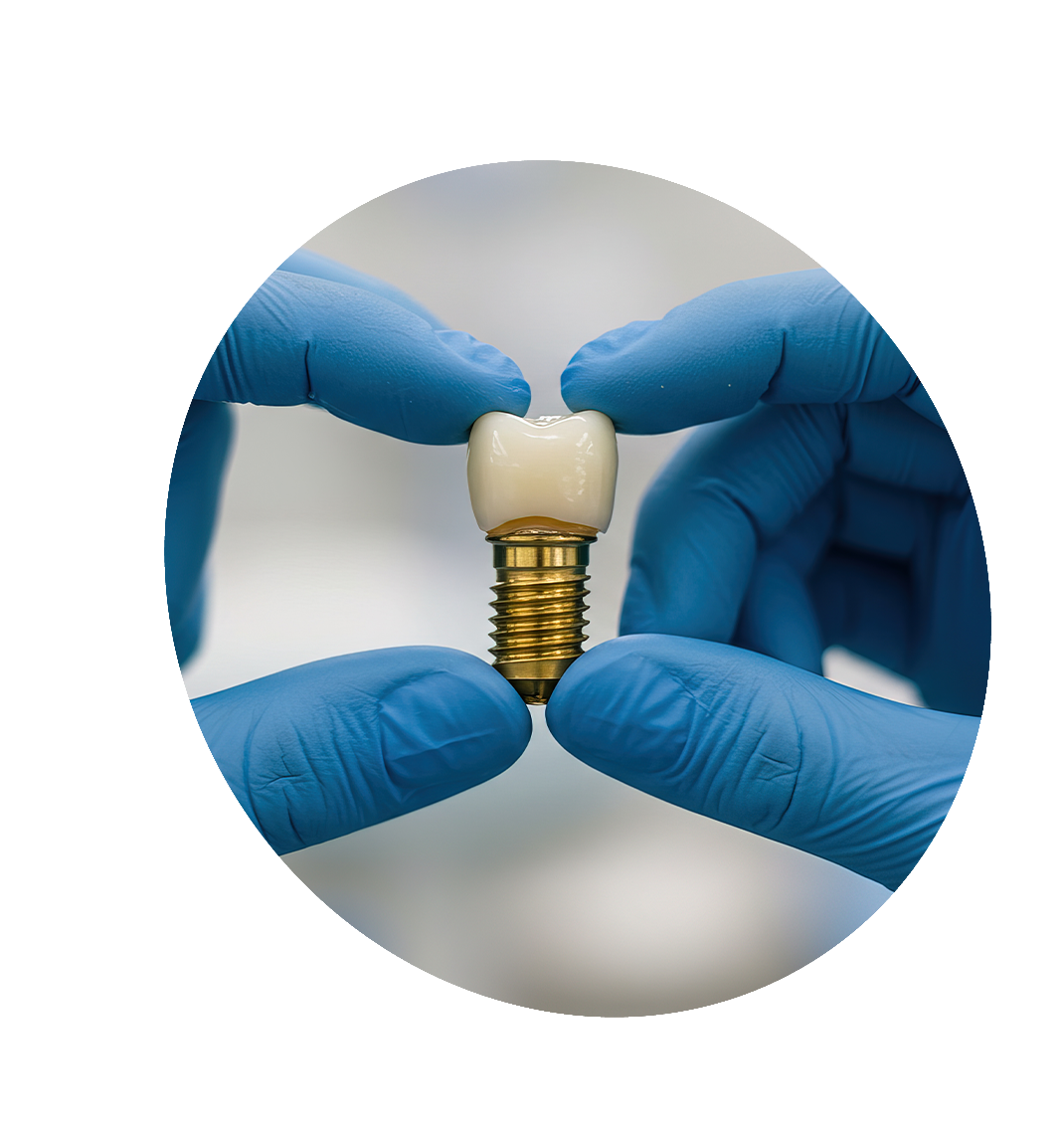
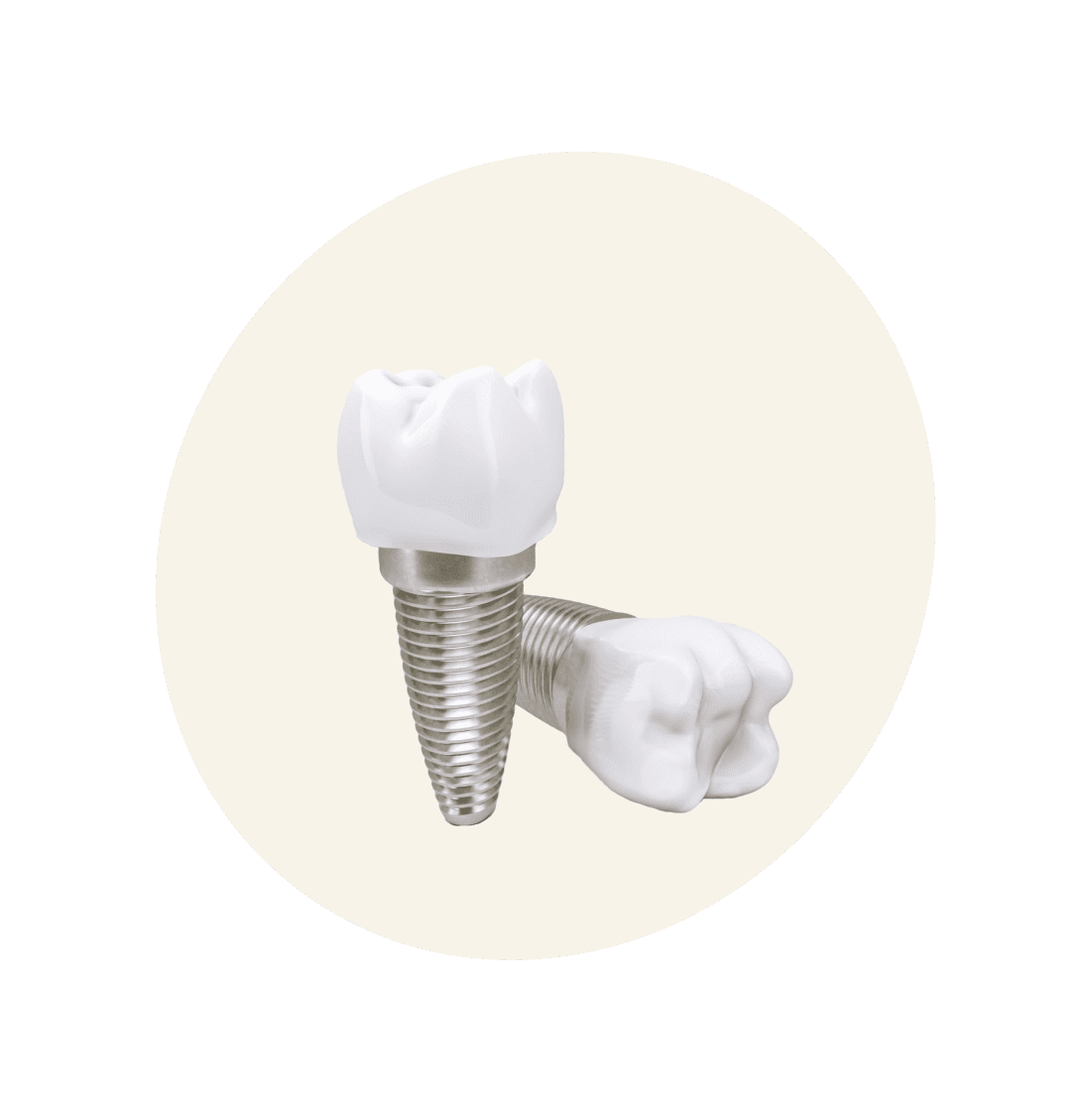
You might need a crown if you have a large cavity that’s weakened your tooth, a cracked or broken tooth, a tooth that’s had root canal therapy, or severe wear from grinding. Crowns also complete dental implants by serving as the visible tooth replacement. Our Bucktown dentists use high-quality materials that look natural and last for years with proper care.
Missing a tooth affects more than just your appearance. The gap can cause neighboring teeth to shift, create bite problems, and make eating difficult. Dental bridges literally bridge the gap by anchoring artificial teeth to the natural teeth on either side.
A traditional bridge consists of one or more replacement teeth (pontics) held in place by crowns on the adjacent teeth. The entire restoration is custom-made to match your natural teeth in color, shape, and size. Bridges restore your ability to chew properly, maintain your face shape, prevent remaining teeth from shifting, and give you back a complete smile. The process typically takes two visits, and most bridges last 10-15 years with good care.
We make getting crowns or bridges as convenient as possible. During your first visit, Dr. Huynh prepares the affected tooth by reshaping it to accommodate the crown. We take detailed impressions and photos to send to our dental lab, which creates your custom restoration. You’ll wear a temporary crown or bridge while the permanent one is being made.
At your second appointment, usually two weeks later, we remove the temporary restoration and check the fit and color of your permanent crown or bridge. Once you’re happy with how it looks and feels, we cement it permanently in place. We’ll give you care instructions to help your restoration last as long as possible. Most patients adjust to their new crown or bridge within a few days.
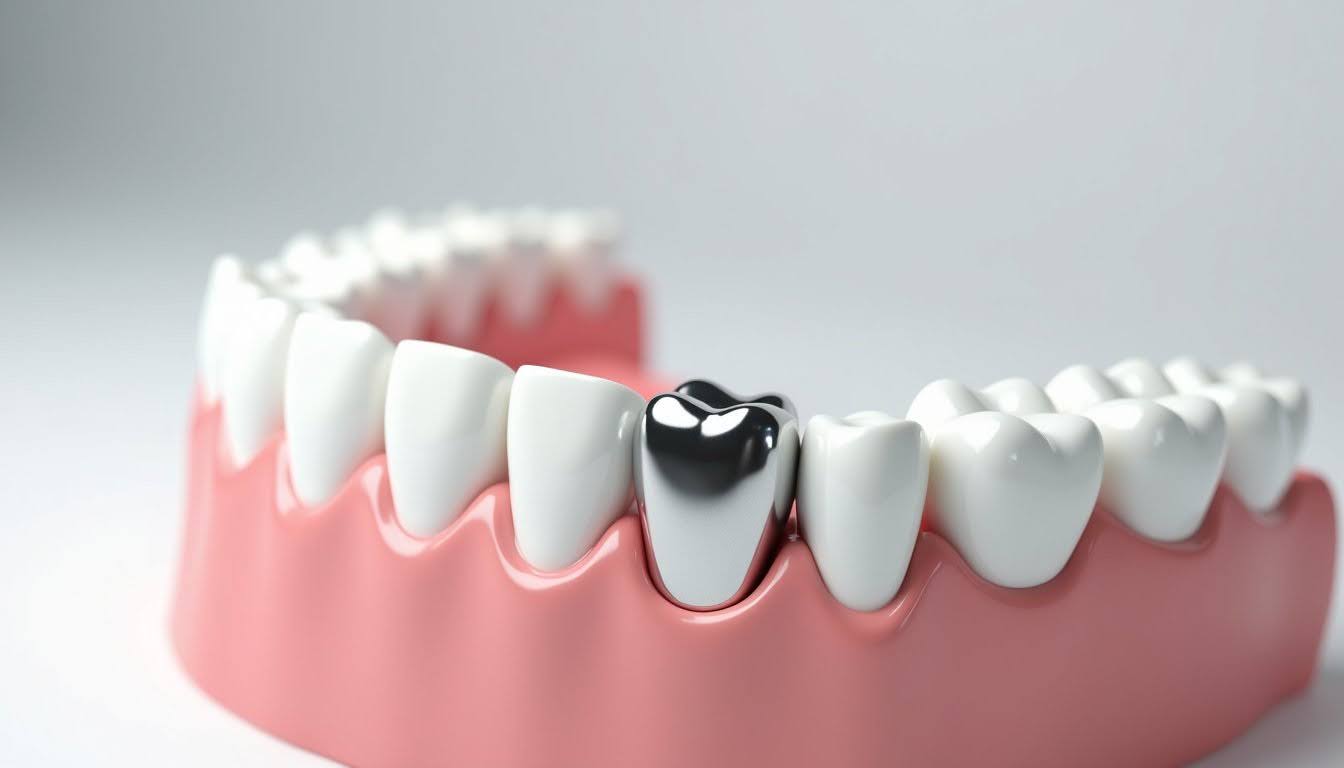
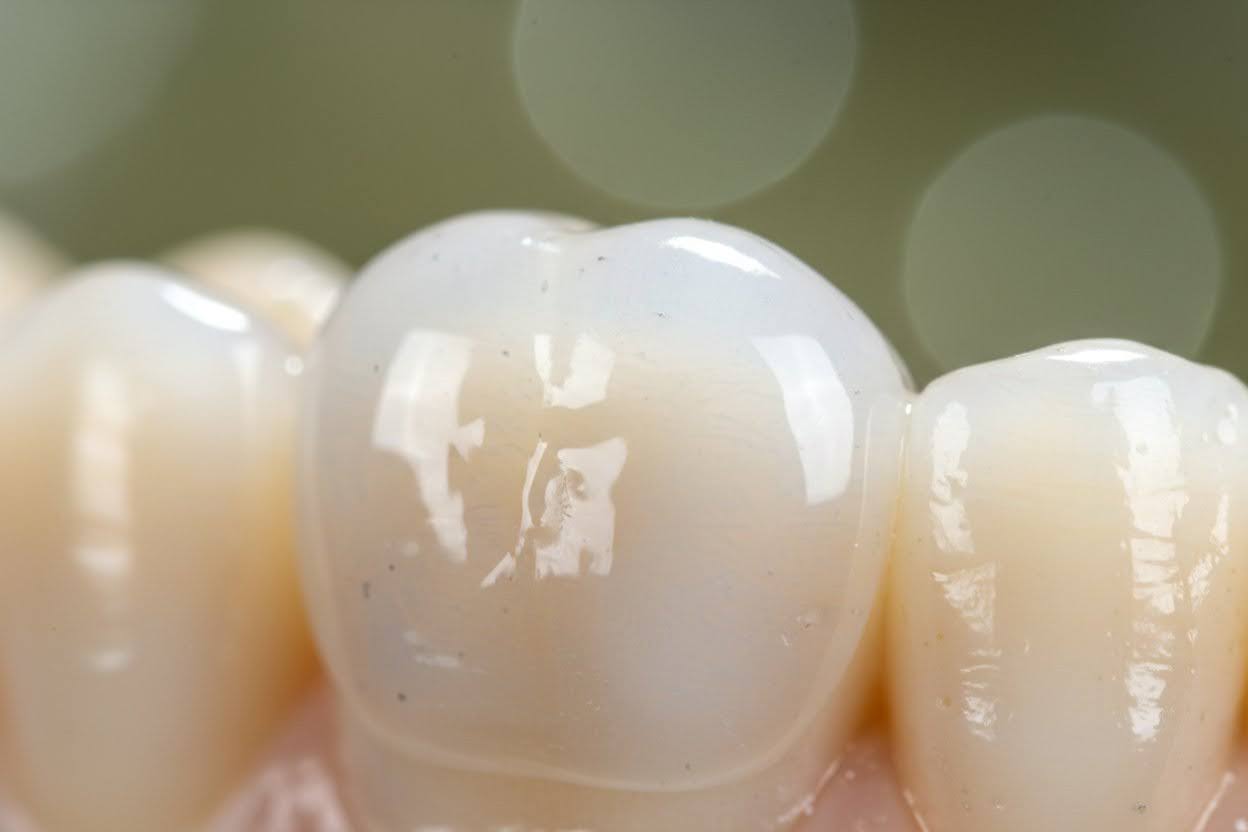
Different situations call for different crown materials. Porcelain crowns look most like natural teeth and work well for front teeth where appearance matters most. Porcelain-fused-to-metal crowns offer strength and reasonable aesthetics, making them suitable for back teeth. All-ceramic crowns provide excellent natural appearance and work well for patients with metal allergies.
Cavities and gum issues are caught earliest at routine exams, before they reach the point of needing a crown. Preventive care delays or avoids restorative work entirely.
Fillings handle smaller cavities and chips. When the damage is too extensive for a filling to hold, we move to a crown.
Custom porcelain crowns to protect damaged teeth, traditional bridges to span gaps, and implant-supported crowns for permanent single-tooth replacements.
You’re already on the crowns and bridges page, so feel free to scroll back to the top.
Crowns can be cosmetic too. We match shade and shape so a crowned tooth blends with the rest of your smile, especially on visible front teeth.
Some crown and bridge cases start with surgery: extracting a hopeless tooth, placing an implant for an implant-supported crown, or bone grafting before restorative work.
Untreated grinding will damage new crowns the same way it damages natural teeth. We assess for TMJ during planning and protect new crown work with a night guard if you grind.
A tooth that needs a root canal almost always needs a crown afterward. Once the inner pulp is removed, the tooth becomes more brittle and a crown protects what remains.
Crowns can move with Invisalign, but the planning is more nuanced. We map out where existing crowns are and adjust the treatment plan around them.
With proper care, crowns typically last 10-15 years, and bridges can last 10-15 years or longer. Good oral hygiene, regular dental visits, and avoiding habits like teeth grinding help maximize their lifespan.
Yes. We custom-make each restoration to match your natural teeth in color, shape, and size. Modern dental materials create results that blend seamlessly with your smile. Most people won't be able to tell you have a crown or bridge.
No. We numb the area completely before preparing your tooth. You might feel slight sensitivity after the anesthetic wears off, but most patients experience minimal discomfort. The temporary crown protects your tooth while your permanent one is being made.
Yes. Once your permanent restoration is in place and you've adjusted to it (usually a few days), you can eat normally. Crowns and bridges are designed to withstand normal chewing forces. We recommend avoiding very hard or sticky foods that could damage any dental work.
Crowns cover the entire tooth and are used when a tooth needs structural support. Veneers are thin shells that cover only the front surface of a tooth and are primarily cosmetic. If your tooth is damaged or weakened, a crown provides better protection.
Yes. Dental implants offer a permanent solution that doesn't require altering adjacent teeth. Partial dentures are a removable option. We'll discuss all alternatives during your consultation and help you choose the best solution for your situation and budget.