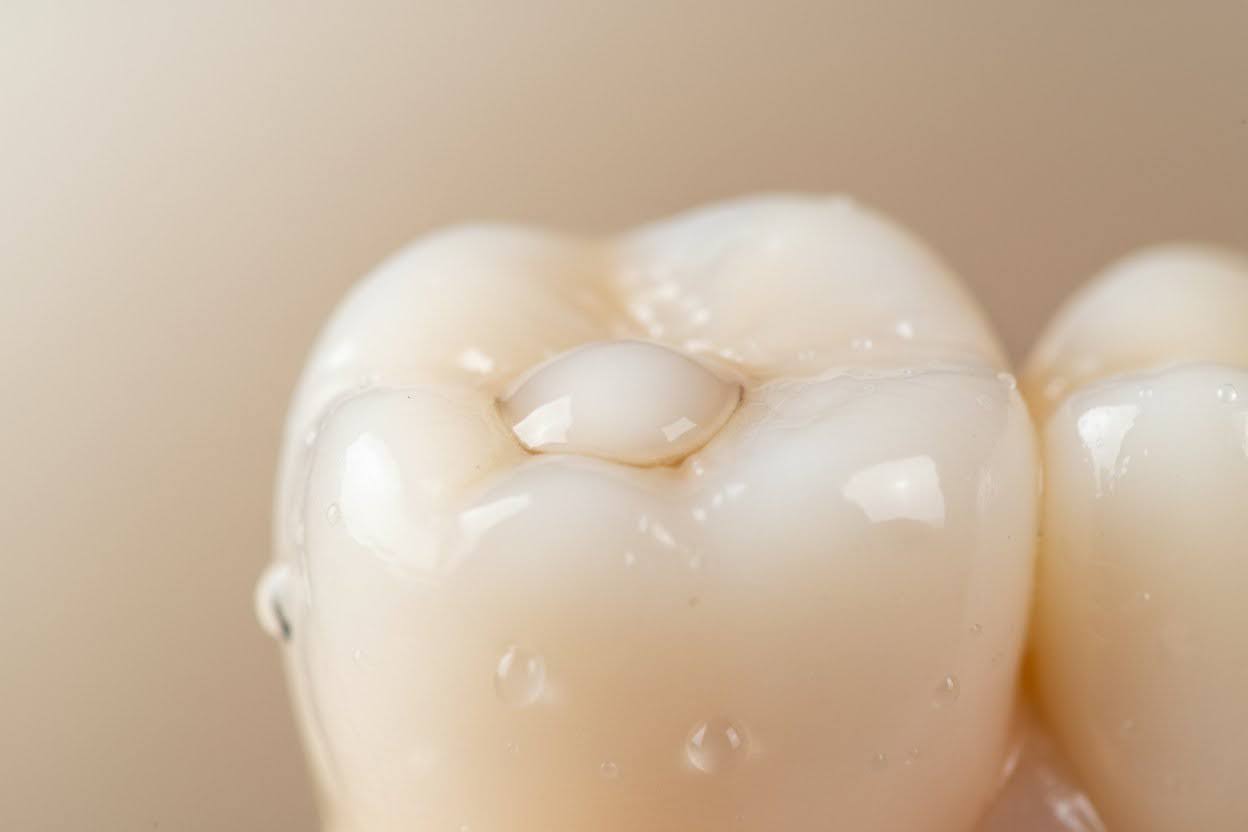
When you have a cavity, you want it fixed with something that matches your tooth. Composite fillings, also called tooth-colored fillings or composite restorations, do exactly that. They bond to the tooth, match its color, and skip the metallic look that older silver amalgam fillings had.
At Bite Club we place composite fillings every week. For cavities, for small chips, and for patients who finally want their old silver fillings swapped out for something that looks like a tooth. Our office sits at 1908 N Western Ave in Bucktown, a few minutes from the Western Blue Line.

Composite is a tooth-colored resin made of plastic and fine glass particles. When we place a filling, we remove the decayed portion of the tooth, prepare the surface, and bond the composite material directly to the remaining tooth structure. Then we shape it, harden it with a curing light, and adjust the bite so everything closes the way it should.
Here’s what to expect at the appointment:
For deeper cavities, we sometimes suggest a different approach (an inlay, onlay, or crown). If that comes up at your visit, we will explain why and what your options look like.
Older fillings were silver amalgam. They held up well structurally but stood out in your mouth and didn’t bond to the tooth (they sat in the cavity, held in by shape). Composite fillings work differently on every front.
Some patients come in specifically to swap out old amalgams. We can do that, and we will walk through whether it actually makes sense based on the condition of each filling. If an old silver filling is still doing its job, we usually leave it alone.
Most of our patients book a filling appointment after we find a small cavity at a routine checkup. But composite work handles more than just decay.
Common reasons people come in:
Not sure if what you have needs a filling or something else? Book an exam and we will tell you straight. Or call us at (312) 602-0036.
The exams and cleanings that catch cavities while they’re small. Most of our composite filling appointments start as a finding at a routine checkup, which is why preventive care matters.
Visit our general dentistry page for the full picture.
Tooth-colored bonded fillings for cavities, chips, and replacement work. The standard approach for most cavity treatment at our practice.
You’re already on the composite restoration page, but feel free to scroll back to the top.
When a cavity has gone too far for a filling, a crown is the next step. We recommend a crown over a filling when there isn’t enough healthy tooth left to bond a composite reliably.
Read the crowns and bridges page.
Treatment that prioritizes how your smile looks. If your old fillings are visible when you smile, we can replace them with composite that blends in or build a fuller cosmetic plan.
See more on our cosmetic dentistry page.
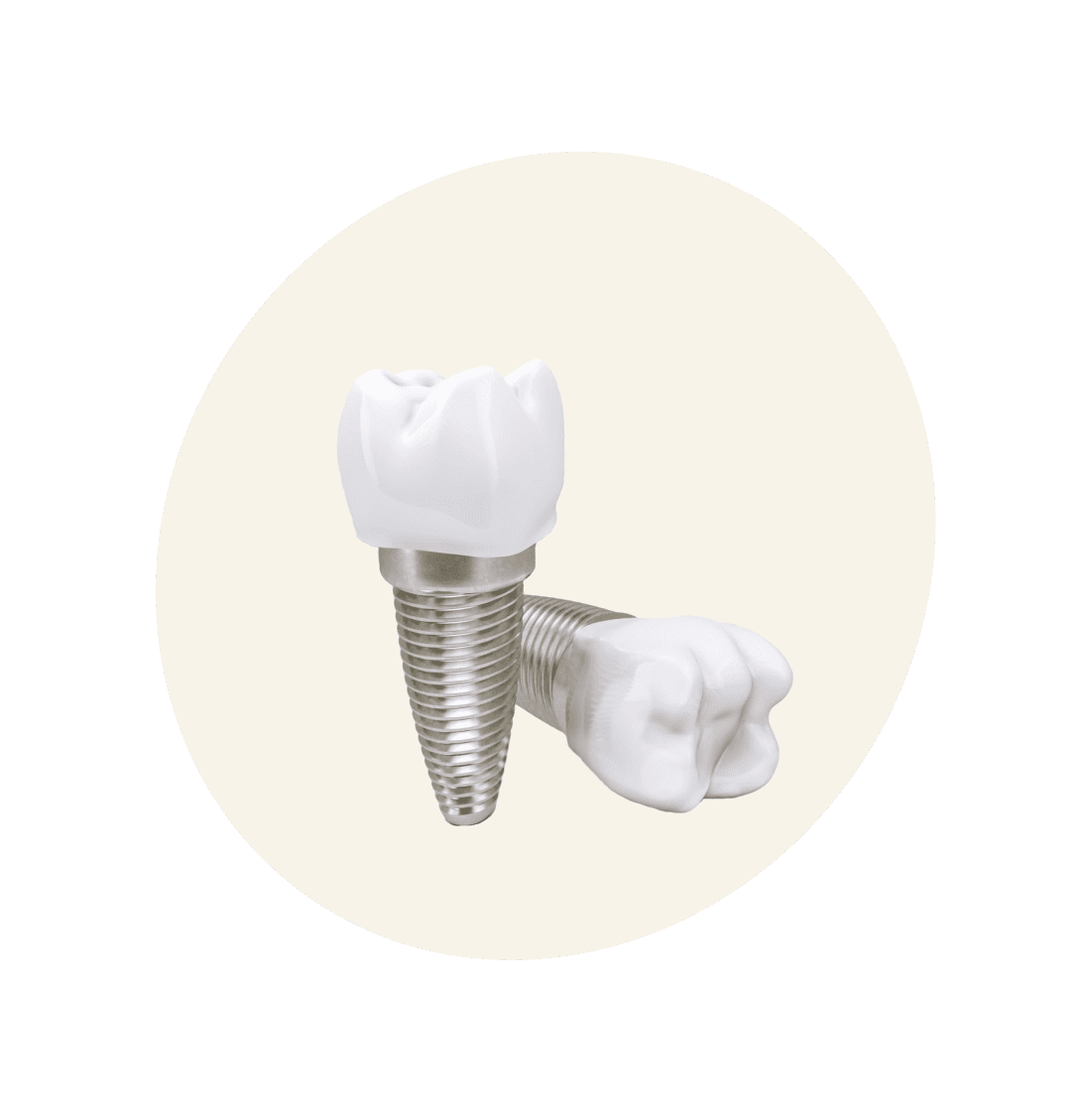
Procedures that can’t be done with a drill and a filling. Tooth removal when a tooth is past saving, wisdom tooth extraction, implant placement, and pre-prosthetic surgery for dentures.
Read the oral surgery page.
If you grind your teeth, you wear out fillings faster. We treat TMJ disorders and build night guards that protect both your bite and the dental work that’s already in your mouth.
When a cavity reaches the nerve, a filling won’t fix it. A root canal cleans out the inner pulp and saves the tooth. We do most root canals with a microscope, which makes the work more precise.
Root canal treatment page.
Crowded or crooked teeth tend to develop more cavities because they’re harder to clean. Straightening with Invisalign can reduce the rate at which you need new fillings down the line.
See if Invisalign fits on our Invisalign in Bucktown page.
With reasonable care, composite fillings typically last 7 to 10 years, sometimes longer. Habits matter: people who grind their teeth, drink a lot of acidic drinks, or skip cleanings tend to wear them out faster. We track your fillings at every checkup and replace them only when they actually need it.
No. We numb the area before any drilling, and modern composite work is generally pain-free during the appointment. You may feel some sensitivity to cold or pressure for a day or two afterward, which usually fades on its own.
Composite is slightly more expensive than amalgam in most cases, but the difference is smaller than it used to be. Most PPO insurance plans cover composite fillings fully on front teeth, and partially or fully on back teeth. Call (312) 602-0036 with your policy details and we will verify what's covered.
Yes, and we do this regularly. The decision depends on the condition of the existing filling and how visible it is. If a silver filling is intact and not failing, we usually leave it alone. If it is leaking, cracking, or you just want it gone, swapping it for composite is straightforward.
You can eat once the numbness wears off, usually one to two hours after the appointment. The composite is fully cured before you leave the chair, so there is no waiting period for the filling itself.
Composite holds its color well, but it can pick up some staining from coffee, tea, red wine, and tobacco over many years. The stain happens at the surface and can usually be polished off at a regular cleaning. We polish your fillings as part of routine visits.