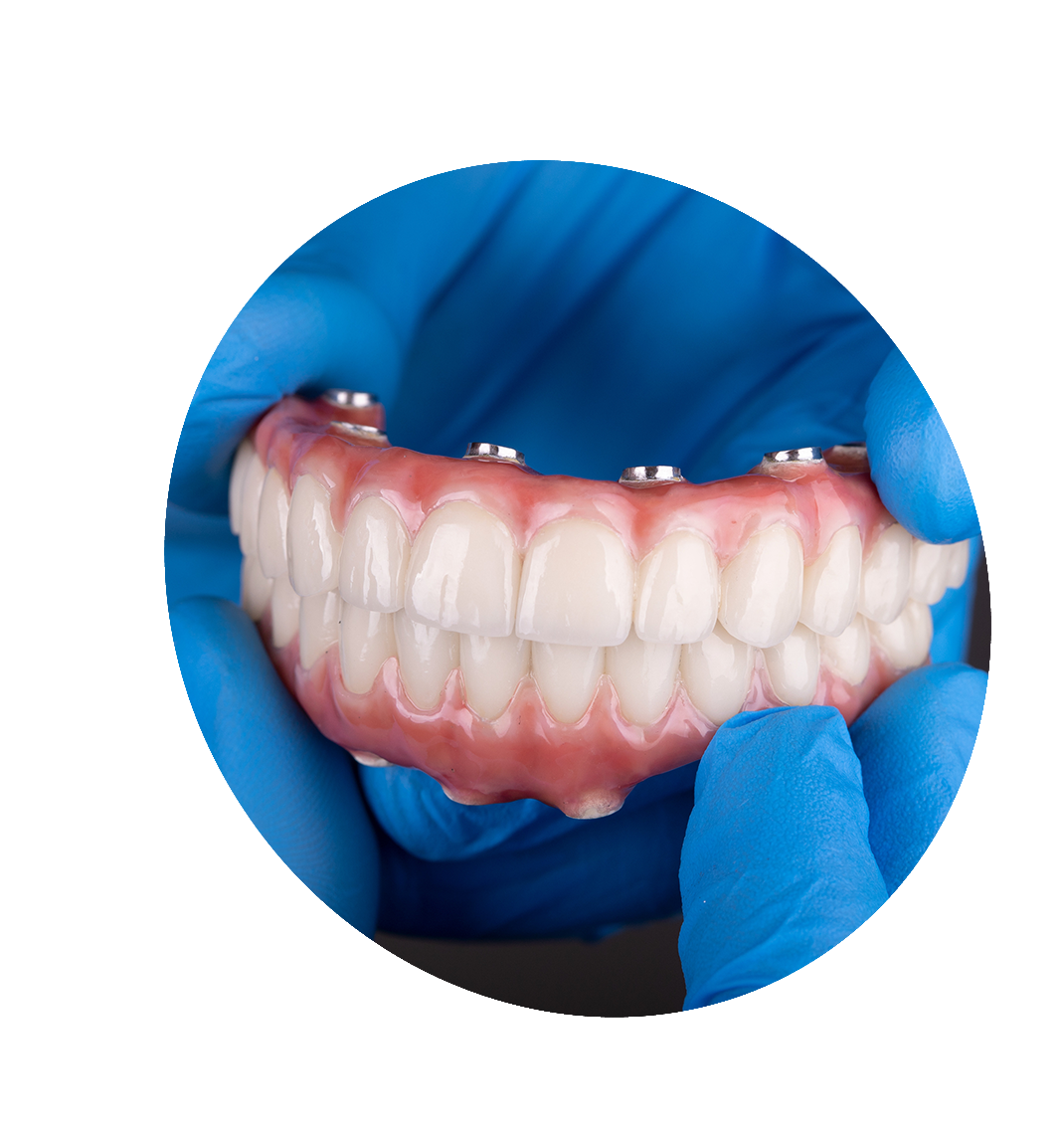
A missing tooth is more than a cosmetic problem. It changes how you chew, how the surrounding teeth shift, and how the bone in your jaw holds up over time. Dental implants replace the whole tooth, root and all, with something that looks, functions, and lasts like the real thing.
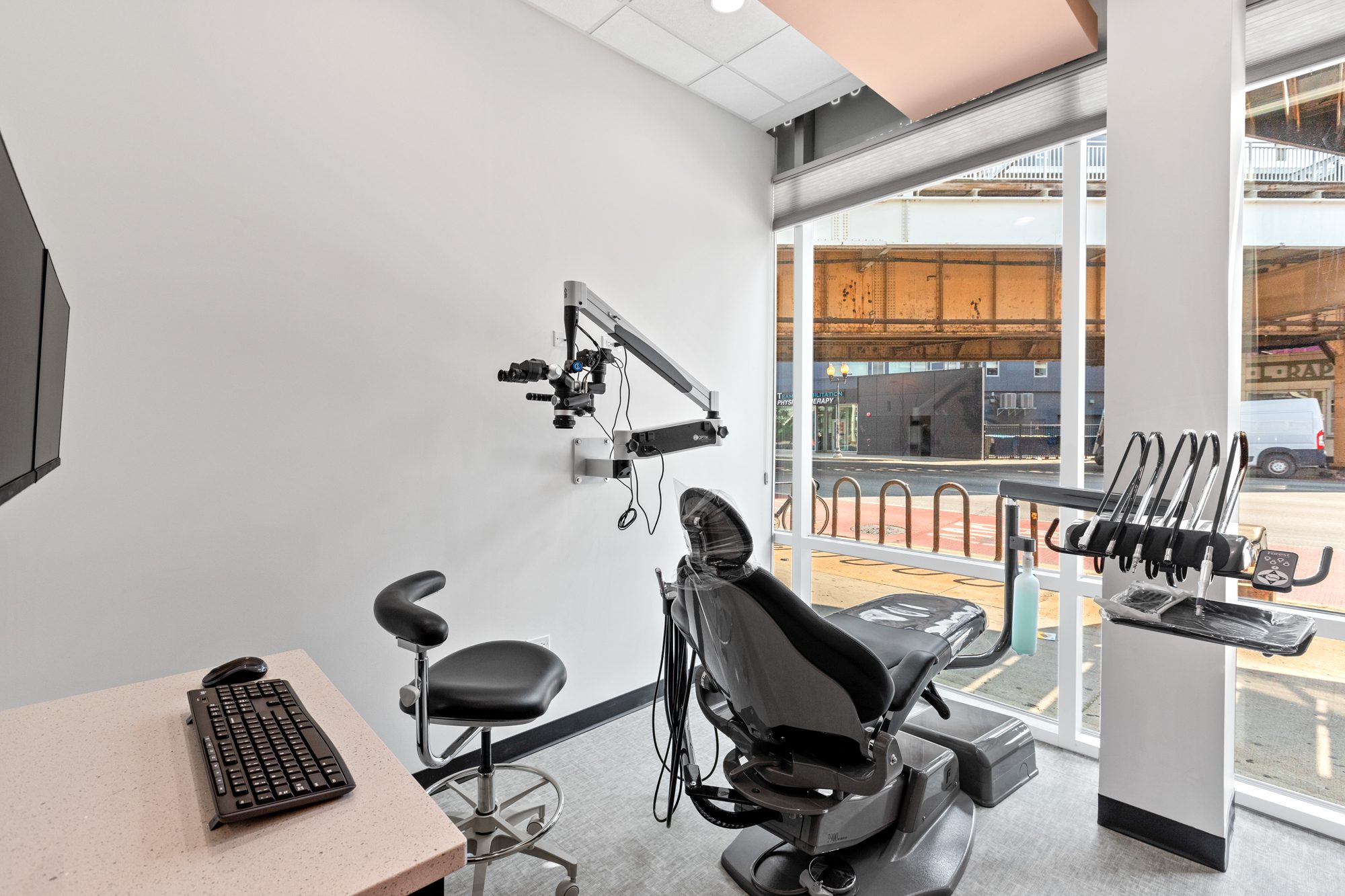
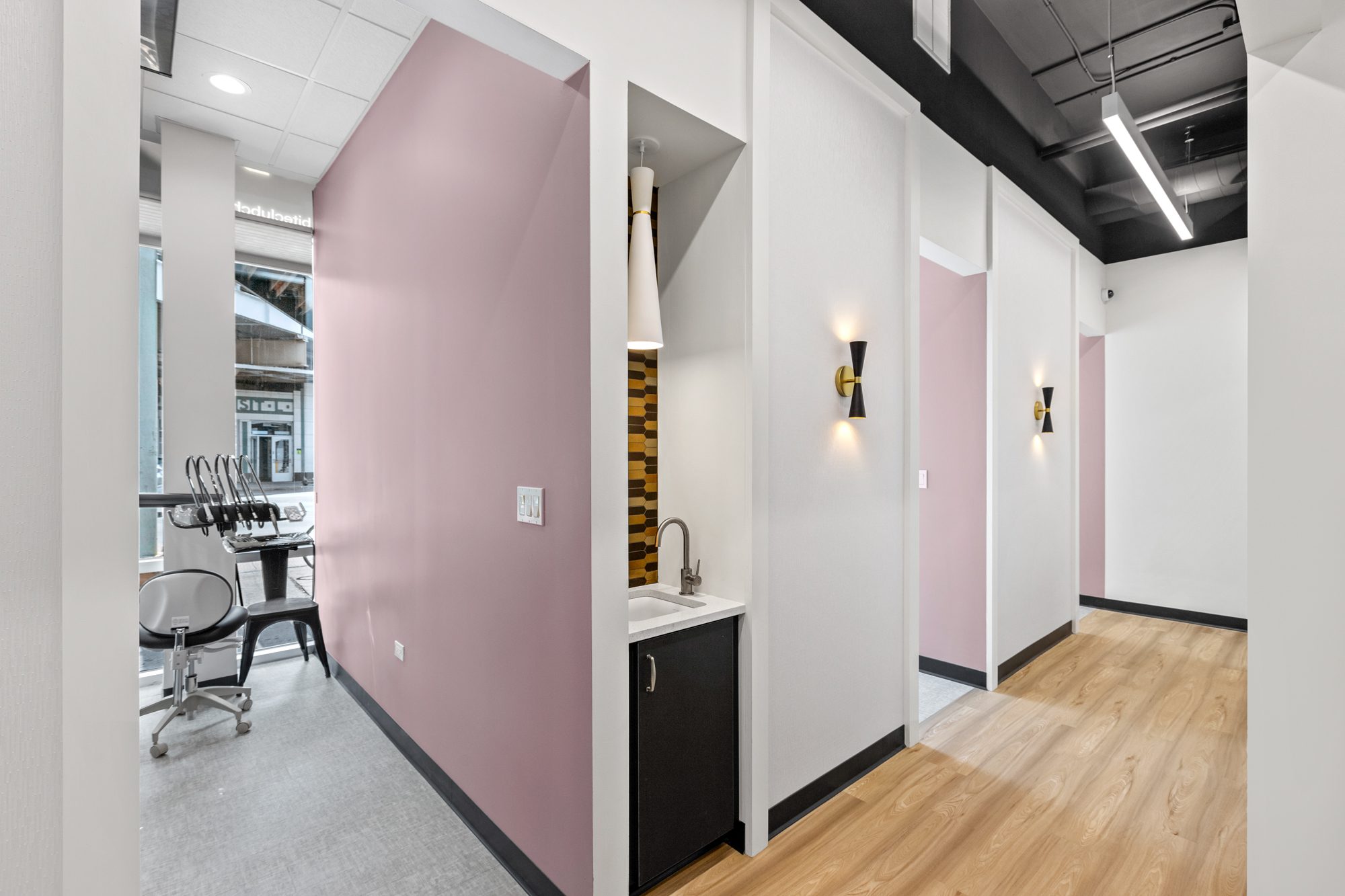
At Bite Club we plan and place implants in-house. Dr. Huynh handles the consultation, the surgical placement, and the final crown. No bouncing between offices, no being handed off to a specialist you’ve never met. Our office is at 1908 N Western Ave in Bucktown.

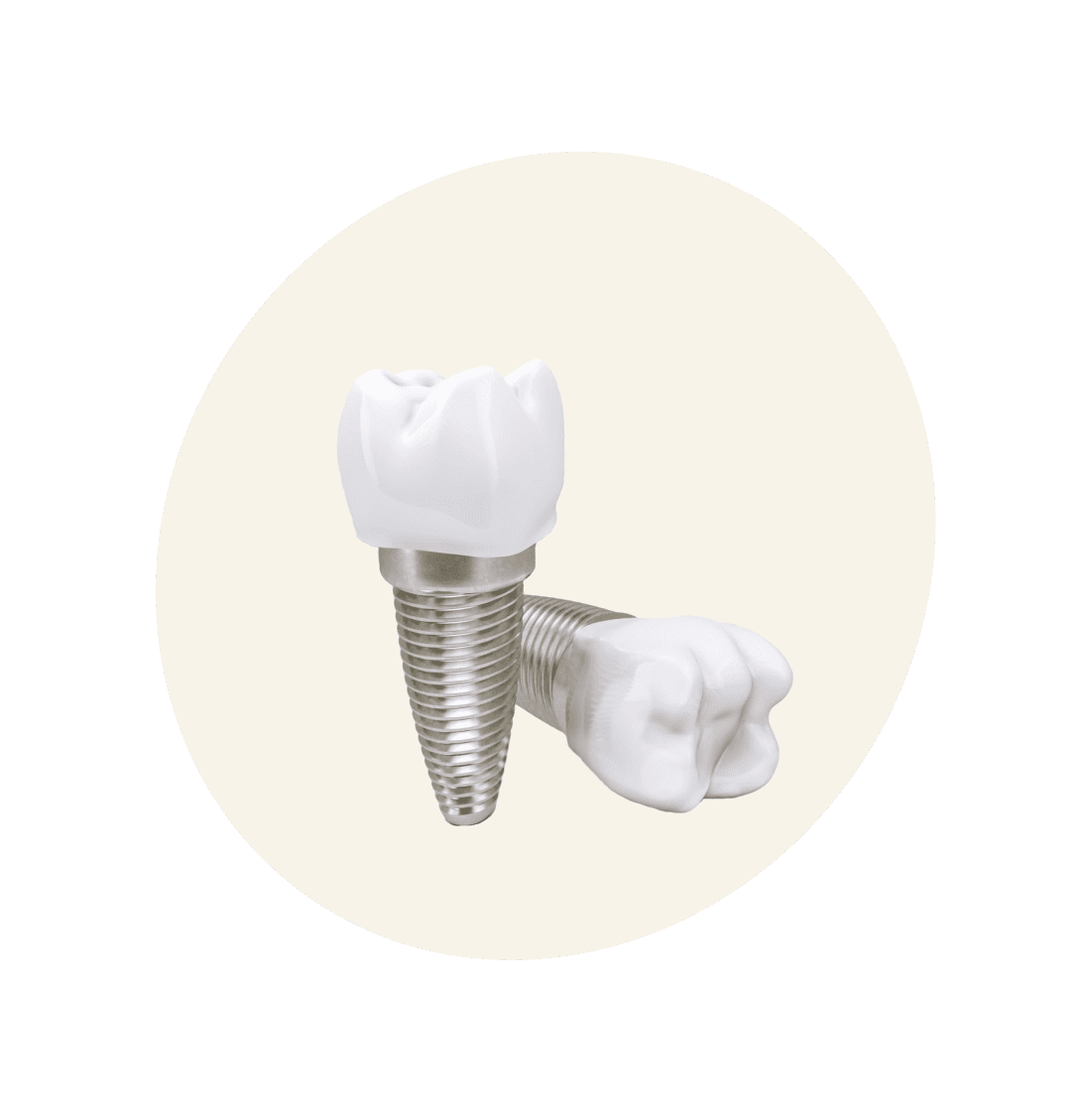
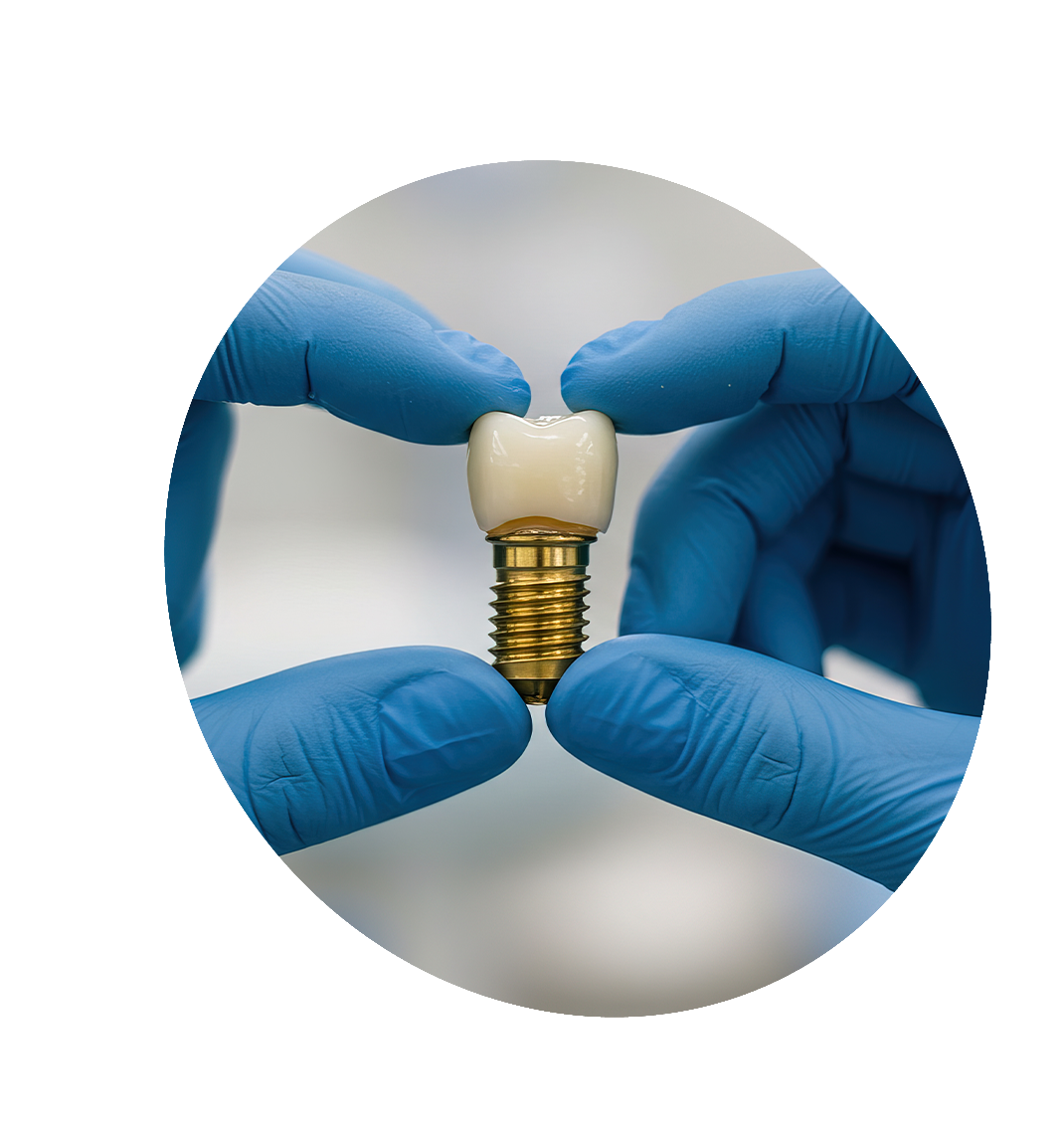
A dental implant is a small titanium post that replaces the root of a missing tooth. It is placed in the jawbone, where it integrates with the bone over a few months. Once it is stable, we attach a custom crown on top. The result functions like a natural tooth: you can bite into anything, brush and floss normally, and the tooth doesn’t need annual replacement work.
What an implant does that other options don’t:
Implants are different from bridges and dentures. A bridge uses the teeth on either side of a gap as anchors, which means shaping those teeth down. A denture sits on the gums and tends to shift around. Implants do neither.
Implant treatment isn’t a one-visit procedure. It is a series of steps spread across a few months, with most of the time spent waiting for the implant to integrate with the bone.
A typical case looks like this:
Some cases qualify for “immediate load” implants where a temporary crown goes on the same day as placement. We will tell you at the consult whether your case fits.
Implants aren’t the right answer for every missing tooth. They are usually the best long-term option, but they aren’t always the cheapest, and they aren’t always the fastest.
Implants are usually the right call when:
Other options worth weighing:
For patients missing one tooth, see our dedicated page on the implant-supported crown for the full breakdown.
We walk through all of this at the consult so you can make the call with full information. Book a consult or call (312) 602-0036.
Healthy gums and a stable bite are part of every successful implant case. Before implant placement, we evaluate your overall dental health and treat any active issues.
General dentistry services overview.
Composite fillings handle cavities and small repair work, but they’re not the right answer when a tooth is too damaged to save. In those cases, the next step is extraction and implant.
See the composite restorations page.
The crown that goes on top of an implant is part of restorative work. We also offer traditional bridges as an alternative to implants when an implant isn’t the right call.
Crowns and bridges page.
Implants in the front of the mouth need cosmetic-level attention to detail. We design front-tooth implant cases the same way we plan veneers, with shade, shape, and gum line all factored in.
The surgical side of implant work, plus everything else that involves cutting or removing tissue. Implants live within oral surgery, alongside extractions, bone grafts, and full-arch restorations.
Read the oral surgery page for the full picture.
Implants restore your bite, and a balanced bite is part of long-term implant success. We assess for TMJ issues during planning and protect new implant work with a night guard if you grind.
TMJ treatment details.
When a tooth is failing, the question is always “save it or replace it.” A root canal saves the natural tooth. An extraction and implant replaces it. We walk you through which option makes more sense for your case.
Sometimes the gap left by a missing tooth is closed with orthodontics rather than filled with an implant. Invisalign can shift the surrounding teeth into the space, eliminating the need for a replacement tooth in some cases.
See if you’re a candidate on our Invisalign in Bucktown page.
A single implant typically runs $4,000 to $6,000 all-in (implant, abutment, and crown). Bone grafting, if needed, adds to the cost. We give you a written estimate after the consult so there are no surprises. Most PPO plans cover part of the crown but limit coverage on the implant itself.
The implant itself, the titanium post in the bone, can last 25+ years and often a lifetime with good care. The crown on top usually lasts 10 to 15 years before it may need to be replaced, similar to any other dental restoration.
The placement is done under local anesthesia, sometimes with sedation, and most patients describe it as less uncomfortable than they expected. The first 24 to 48 hours after surgery involve some swelling and soreness, manageable with ibuprofen for most people. Recovery is usually faster than people anticipate.
Sometimes. It depends on the condition of the bone and whether there's any active infection. If everything looks good, "immediate placement" lets us pull the tooth and place the implant in the same visit. If not, we let the site heal for a few months first.
We bone graft. The graft adds bone material to the area, which then heals over a few months and creates the foundation for the implant. Most patients who were told they "can't have implants" elsewhere are actually candidates after grafting. We will tell you straight at the consult.
The same way you take care of a real tooth: brush twice a day, floss daily, and come in for routine cleanings. Implants don't get cavities, but they can develop gum issues around them if neglected. We monitor the implant area at every checkup.