Bucktown Invisalign

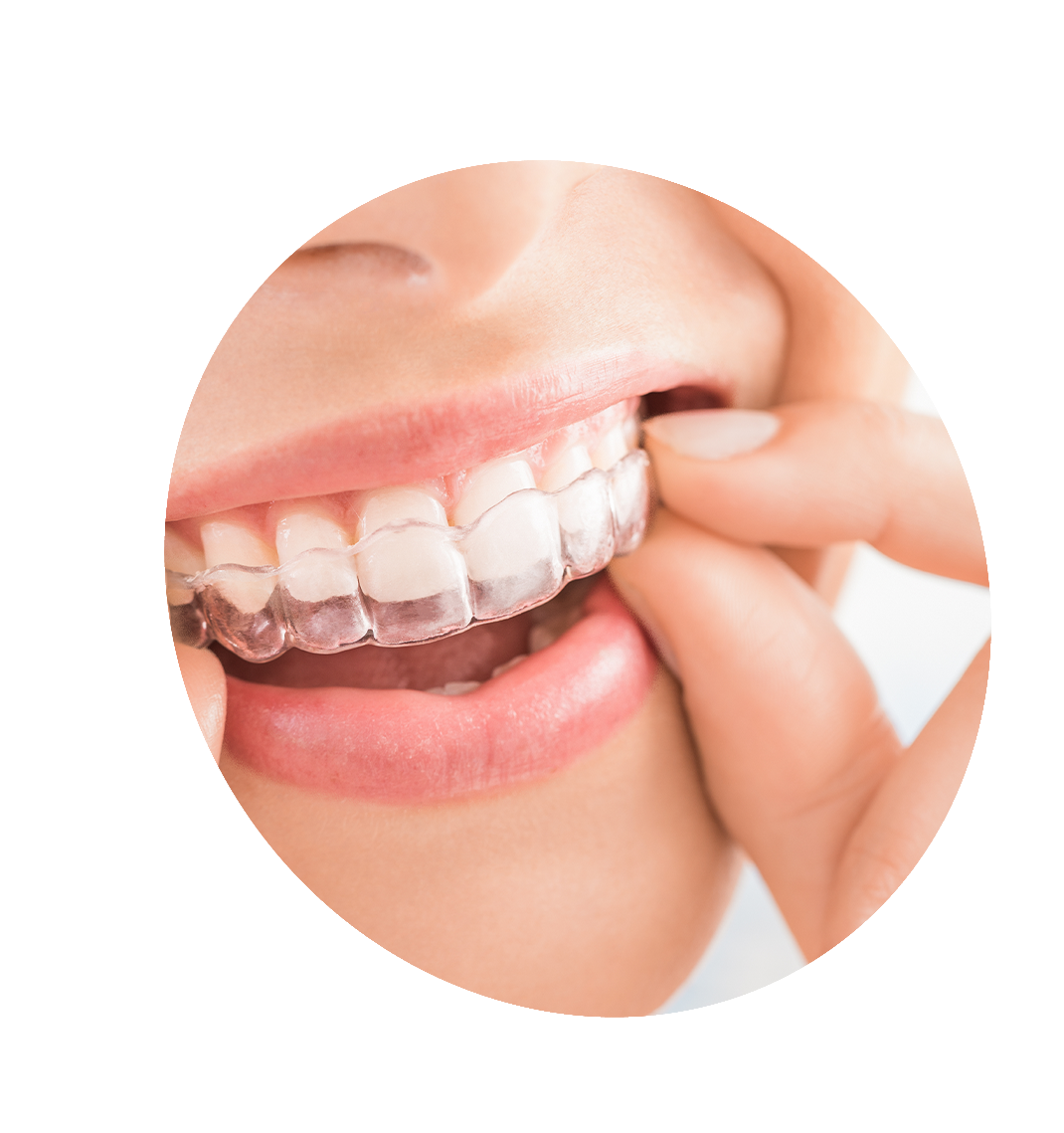
Straightening your teeth at 35, 45, or 55 doesn’t have to mean metal brackets and a year of looking like your kid in middle school. Invisalign uses clear, removable aligners to move teeth gradually, with most people not noticing you’re wearing them.

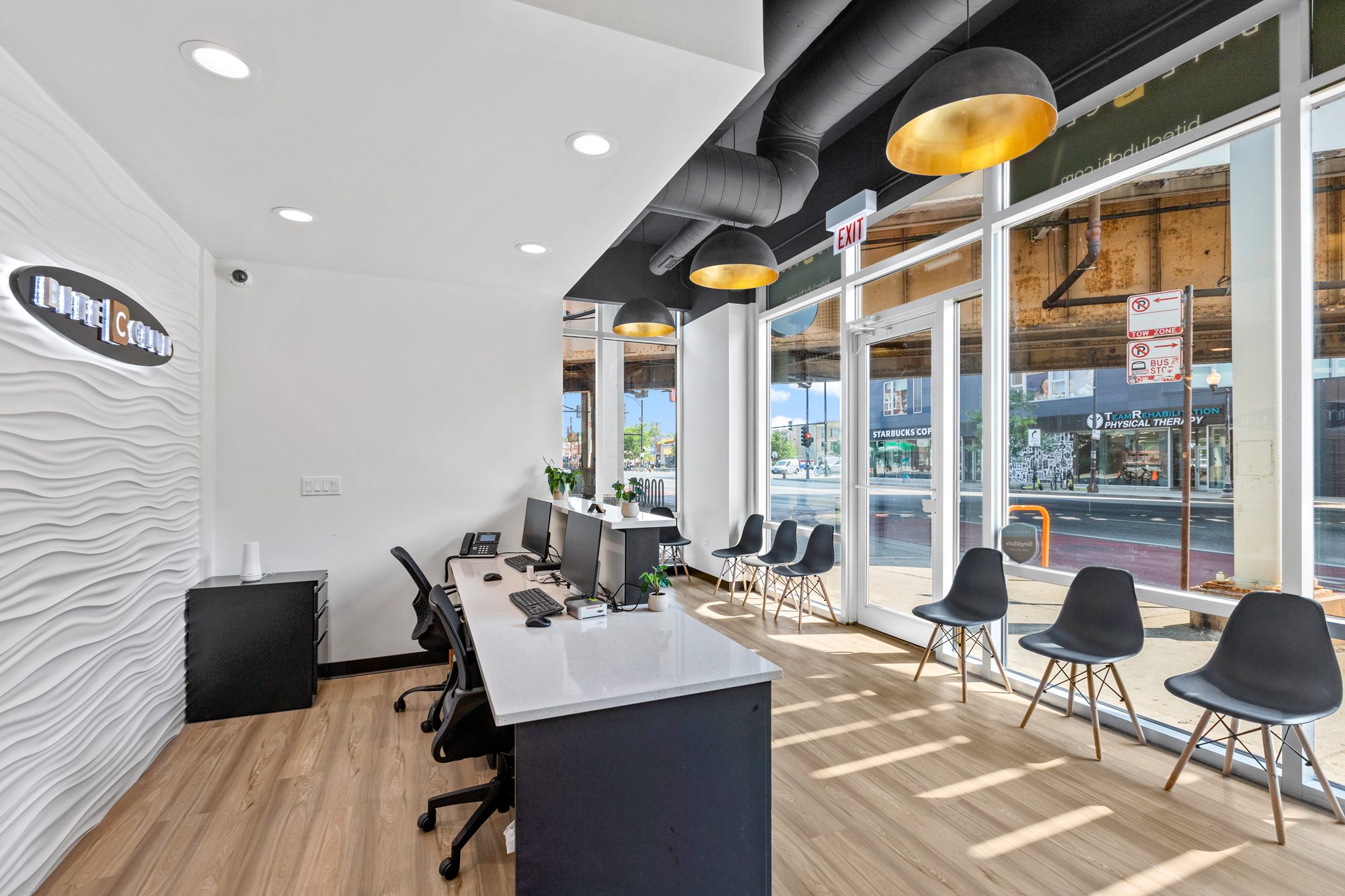
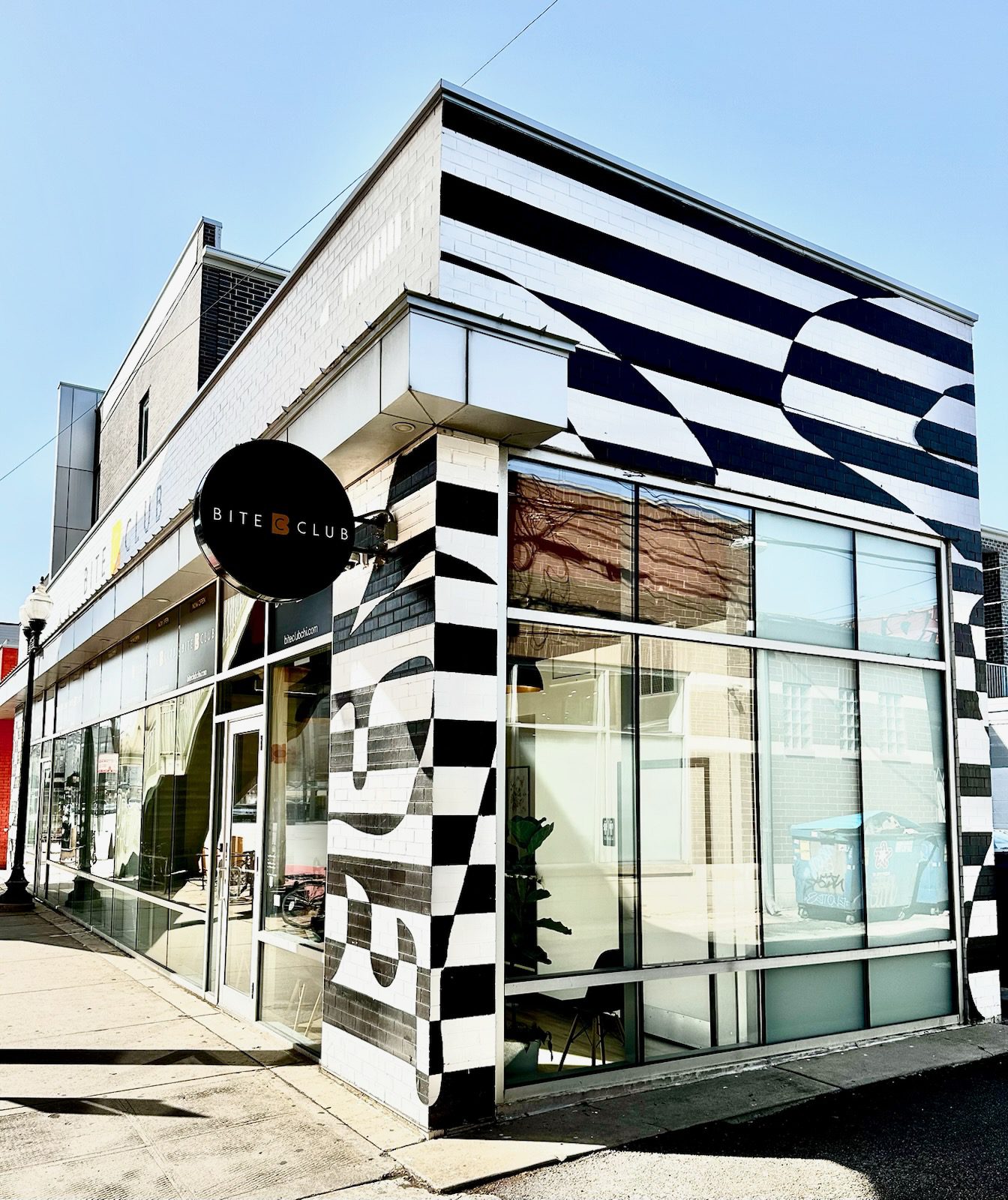
Bite Club is an active Invisalign provider, and Dr. Huynh has planned cases for everything from minor crowding to full bite corrections. Our office is at 1908 N Western Ave in Bucktown, easy to reach from Wicker Park, Logan Square, and the Western Blue Line.

Book Now

Bucktown Invisalign

Putting on Invisalign | Invisalign bucktown chicago

Straightening your teeth at 35, 45, or 55 doesn’t have to mean metal brackets and a year of looking like your kid in middle school. Invisalign uses clear, removable aligners to move teeth gradually, with most people not noticing you’re wearing them.

Bite Club is an active Invisalign provider, and Dr. Huynh has planned cases for everything from minor crowding to full bite corrections. Our office is at 1908 N Western Ave in Bucktown, easy to reach from Wicker Park, Logan Square, and the Western Blue Line.
Chicago Dentist Reviews - Google Logo

How Invisalign Works

Invisalign uses a series of custom-made clear plastic aligners. Each set is shaped slightly different from the last, applying gentle pressure to move your teeth into position over time. You wear each set for a week or two, then move to the next one in the sequence.

What treatment looks like:

  • A 3D digital scan of your teeth at the consult (no goopy impressions)
  • A treatment plan with a digital preview of how your teeth will move
  • A set of custom aligners, typically 15 to 50 trays depending on the case
  • Aligners worn 20 to 22 hours a day, removed only for eating, drinking anything but water, and brushing
  • Check-ins every 6 to 10 weeks so we can track progress and hand over the next batch
  • Retainers at the end to hold the result

Most adult cases finish in 6 to 18 months. Minor crowding can be done in as little as 4 to 6 months. Complex cases occasionally run longer.

Book Now
  • Chicago Bucktown Dentist Services
  • Chicago Bucktown Dentist Services
  • Chicago Bucktown Dentist Services
  • Chicago Bucktown Dentist Services

How Invisalign Works

  • Chicago Bucktown Dentist Services
  • Chicago Bucktown Dentist Services
  • Chicago Bucktown Dentist Services
  • Chicago Bucktown Dentist Services

Invisalign uses a series of custom-made clear plastic aligners. Each set is shaped slightly different from the last, applying gentle pressure to move your teeth into position over time. You wear each set for a week or two, then move to the next one in the sequence.

What treatment looks like:

  • A 3D digital scan of your teeth at the consult (no goopy impressions)
  • A treatment plan with a digital preview of how your teeth will move
  • A set of custom aligners, typically 15 to 50 trays depending on the case
  • Aligners worn 20 to 22 hours a day, removed only for eating, drinking anything but water, and brushing
  • Check-ins every 6 to 10 weeks so we can track progress and hand over the next batch
  • Retainers at the end to hold the result

Most adult cases finish in 6 to 18 months. Minor crowding can be done in as little as 4 to 6 months. Complex cases occasionally run longer.

Book Now

Invisalign vs. Traditional Braces

Invisalign vs. Traditional Braces

Both move teeth. The differences are in how visible the treatment is and what your day-to-day looks like during it.

Invisalign:

  • Clear, removable, hard to notice
  • No food restrictions (you take them out to eat)
  • Brush and floss normally
  • Fewer in-person visits
  • Discipline required: 20+ hours a day or treatment slows down

Traditional braces:

  • Visible metal brackets and wires
  • Some food restrictions (no popcorn, sticky candy, hard nuts)
  • Brushing and flossing takes more time
  • Adjustments at the orthodontist every few weeks
  • No removing them, which works for patients who would forget

For mild to moderate cases, Invisalign matches what braces can do. For severe bite issues or significant rotations, braces may still be the better choice. We will tell you what’s realistic at your consult.

Book Now

Who's a Good Candidate

Most adults with mild to moderate alignment issues are candidates. The biggest factor isn’t your case, it is whether you will actually wear the aligners 20+ hours a day.

Invisalign works well for:

  • Mild to moderate crowding
  • Spacing and small gaps
  • Mild to moderate overbite, underbite, or crossbite
  • Teeth that have shifted after braces in the past
  • Adults who can’t or won’t wear visible braces

Less ideal for:

  • Severe bite or jaw alignment issues
  • Significant tooth rotations
  • Patients who won’t wear the aligners consistently
  • Children whose adult teeth are still coming in

To find out where you fit, book an Invisalign consultation or call (312) 602-0036. The first visit takes about 30 minutes and you walk out knowing whether it is a fit.

Book Now

Who's a Good Candidate

Most adults with mild to moderate alignment issues are candidates. The biggest factor isn’t your case, it is whether you will actually wear the aligners 20+ hours a day.

Invisalign works well for:

Less ideal for:

To find out where you fit, book an Invisalign consultation or call (312) 602-0036. The first visit takes about 30 minutes and you walk out knowing whether it is a fit.

Book Now

All Services at Bite Club

Cosmetic Dentistry
TMJ Treatment
  • General Dentistry

    Composite Restoration - Chicago Bucktown Dentist

    General Dentistry

    Healthy teeth move better and more predictably. Before starting Invisalign, we get your teeth into shape with a clean, an exam, and any preventive work needed to set you up for success.

    See the full general dentistry page.

  • Crowns Bridges - Chicago Bucktown Dentist

    Crowns & Bridges

    Crowns and bridges can move with Invisalign, but the planning is more nuanced. We map out where existing dental work is and adjust the treatment plan around it.

    • Crowns moved as part of Invisalign treatment
    • Bridge planning around aligner movement
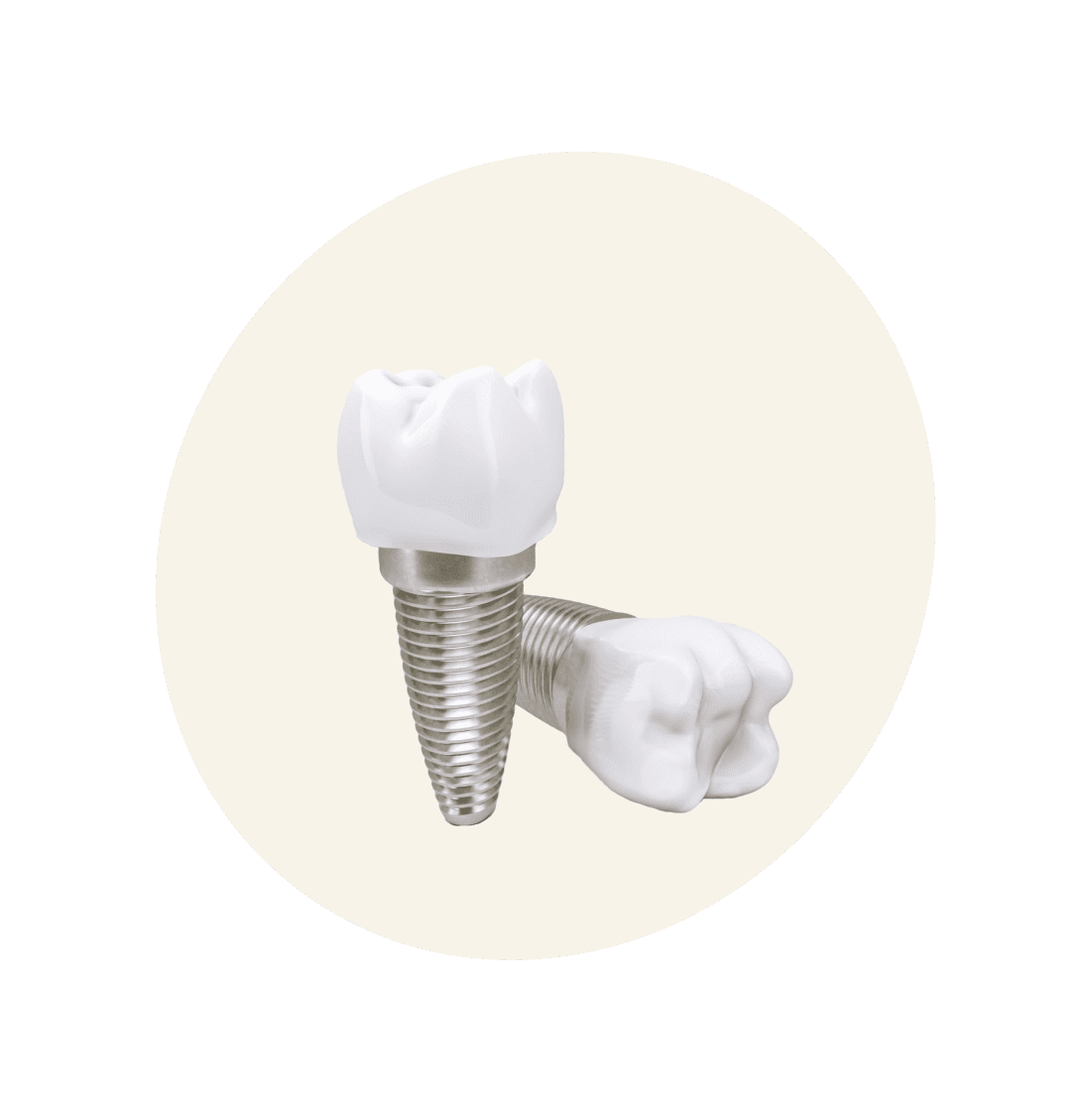
    • Implant-supported crowns (note: implants don’t move)
    • Older crown replacement after orthodontics

    Crowns and bridges overview.

  • Cosmetic Dentistry - Chicago Bucktown Dentist

    Cosmetic Dentistry

    Many patients pair Invisalign with a cosmetic plan. Once teeth are in the right position, treatments like whitening, bonding, or veneers do more with less.

    Cosmetic dentistry options.

  • Implants - Chicago Bucktown Dentist

    Oral Surgery

    Sometimes Invisalign treatment requires extractions to make room, especially in cases of severe crowding. We plan and handle these in our office.

    Oral surgery page.

  • TMJ - Chicago Bucktown Dentist

    TMJ Treatment

    If you have an underlying bite issue, Invisalign can help correct it, sometimes alongside specific TMJ treatment. We assess for TMJ symptoms before and during aligner treatment.

    • Bite assessment during Invisalign planning
    • Night guards for grinders
    • Treatment for jaw pain
    • Specialist coordination when needed

    TMJ treatment page.

  • Root Canal - Chicago Bucktown Dentist

    Root Canal Treatment

    A tooth with an active infection needs root canal treatment before Invisalign starts. Moving an infected tooth can spread the problem and is a non-starter for orthodontic planning.

    • Diagnosis of suspected infections before treatment
    • Microscope-assisted root canal work
    • Sealing and crown placement
    • Re-treatment of failed older root canals

    Visit the root canal treatment page.

  • Invisalign - Chicago Bucktown Dentist

    Invisalign

    Clear aligners that straighten teeth without metal brackets. The current page covers the full breakdown of how it works, what to expect, and whether you’re a candidate.

    • Digital scanning and treatment planning
    • Custom aligner trays worn in sequence
    • 6 to 18 months of typical treatment
    • Retainers at the end to hold the result

    You’re already on the Invisalign page, so feel free to scroll back up.

General Dentistry

Composite Restoration - Chicago Bucktown Dentist

General Dentistry

Healthy teeth move better and more predictably. Before starting Invisalign, we get your teeth into shape with a clean, an exam, and any preventive work needed to set you up for success.

See the full general dentistry page.

Composite Restoration - Chicago Bucktown Dentist

Composite Restoration

Active cavities need to be filled before Invisalign starts. Crowded teeth often have cavities in the contact areas that we couldn’t see before, so we plan for some restorative work after the aligners do their thing.

  • Pre-Invisalign cavity treatment
  • Post-Invisalign restorations on newly accessible surfaces
  • Replacement of old amalgam fillings
  • Front-tooth aesthetic refreshes

Composite restorations page.

Crowns Bridges - Chicago Bucktown Dentist

Crowns & Bridges

Crowns and bridges can move with Invisalign, but the planning is more nuanced. We map out where existing dental work is and adjust the treatment plan around it.

  • Crowns moved as part of Invisalign treatment
  • Bridge planning around aligner movement
  • Implant-supported crowns (note: implants don’t move)
  • Older crown replacement after orthodontics

Crowns and bridges overview.

Cosmetic Dentistry - Chicago Bucktown Dentist

Cosmetic Dentistry

Many patients pair Invisalign with a cosmetic plan. Once teeth are in the right position, treatments like whitening, bonding, or veneers do more with less.

Cosmetic dentistry options.

Implants - Chicago Bucktown Dentist

Oral Surgery

Sometimes Invisalign treatment requires extractions to make room, especially in cases of severe crowding. We plan and handle these in our office.

Oral surgery page.

TMJ Treatment - Chicago Bucktown Dentist

TMJ Treatment

If you have an underlying bite issue, Invisalign can help correct it, sometimes alongside specific TMJ treatment. We assess for TMJ symptoms before and during aligner treatment.

  • Bite assessment during Invisalign planning
  • Night guards for grinders
  • Treatment for jaw pain
  • Specialist coordination when needed

TMJ treatment page.

Root Canal Treatment - Chicago Bucktown Dentist

Root Canal Treatment

A tooth with an active infection needs root canal treatment before Invisalign starts. Moving an infected tooth can spread the problem and is a non-starter for orthodontic planning.

  • Diagnosis of suspected infections before treatment
  • Microscope-assisted root canal work
  • Sealing and crown placement
  • Re-treatment of failed older root canals

Visit the root canal treatment page.

Invisalign - Chicago Bucktown Dentist

Invisalign

Clear aligners that straighten teeth without metal brackets. The current page covers the full breakdown of how it works, what to expect, and whether you’re a candidate.

  • Digital scanning and treatment planning
  • Custom aligner trays worn in sequence
  • 6 to 18 months of typical treatment
  • Retainers at the end to hold the result

You’re already on the Invisalign page, so feel free to scroll back up.

Frequently Asked Questions

How much does Invisalign cost in Bucktown?

A typical Invisalign case at our office runs $4,500 to $7,500 depending on length and complexity. We give you the full number at the consult, with financing options if you want to spread it across the treatment period. PPO plans with orthodontic coverage often pay $1,500 to $3,000 of that.

Does Invisalign hurt?

Most patients feel some pressure or soreness for a day or two when starting a new set of aligners. It feels like the teeth are being pushed, because they are. The discomfort fades quickly, and most people don't take anything for it. Pressure is the right word, not pain.

How long until I see results?

You can usually see small changes within 4 to 6 weeks. Real, noticeable improvement happens around month 3 or 4. The full result depends on your case length, but the progress is visible all the way through.

Can I drink coffee with Invisalign?

Take the aligners out for coffee, tea, wine, and anything besides plain water. The aligners stain easily, and hot drinks can warp them. This is the part that takes most patients a few weeks to adjust to.

What happens if I don't wear them enough?

The teeth don't move, or they move slower than the plan. If you skip days regularly, treatment time stretches out. We track this at check-ins and adjust the plan if needed. The 20-to-22-hour rule isn't a guideline, it's how the system works.

Will I need a retainer after Invisalign?

Yes. Teeth want to drift back over time, and that is true for any orthodontic treatment, Invisalign or braces. We make a retainer at the end of treatment, usually clear and similar to your last aligner. Wearing it nightly long-term is the difference between holding your result and losing it.

Our Location

Address
1908 N Western Ave
Chicago IL 60647
PHONE NUMBER
(312) 602-0036
E-MAIL
smile@biteclubchi.com
Book now