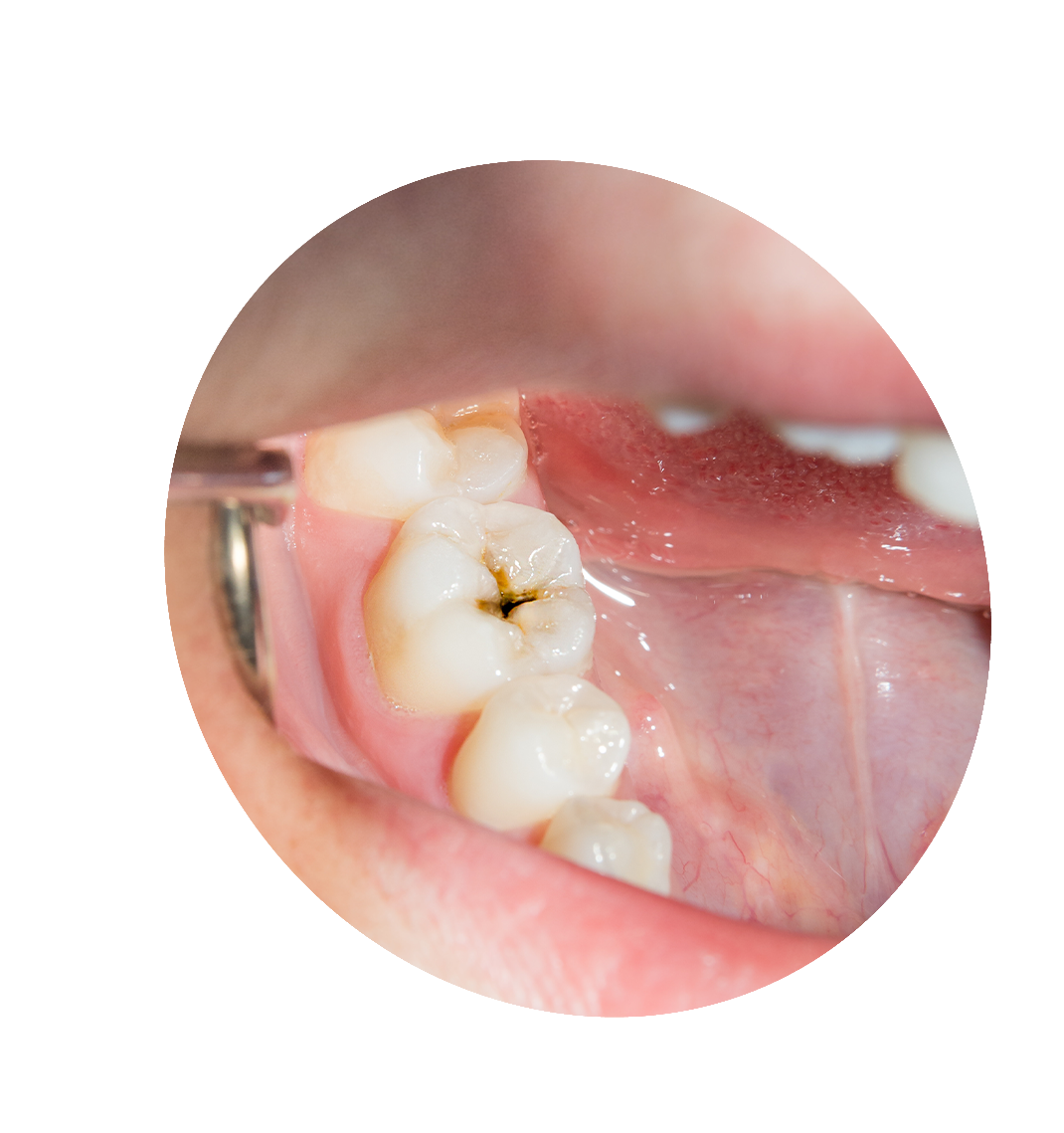
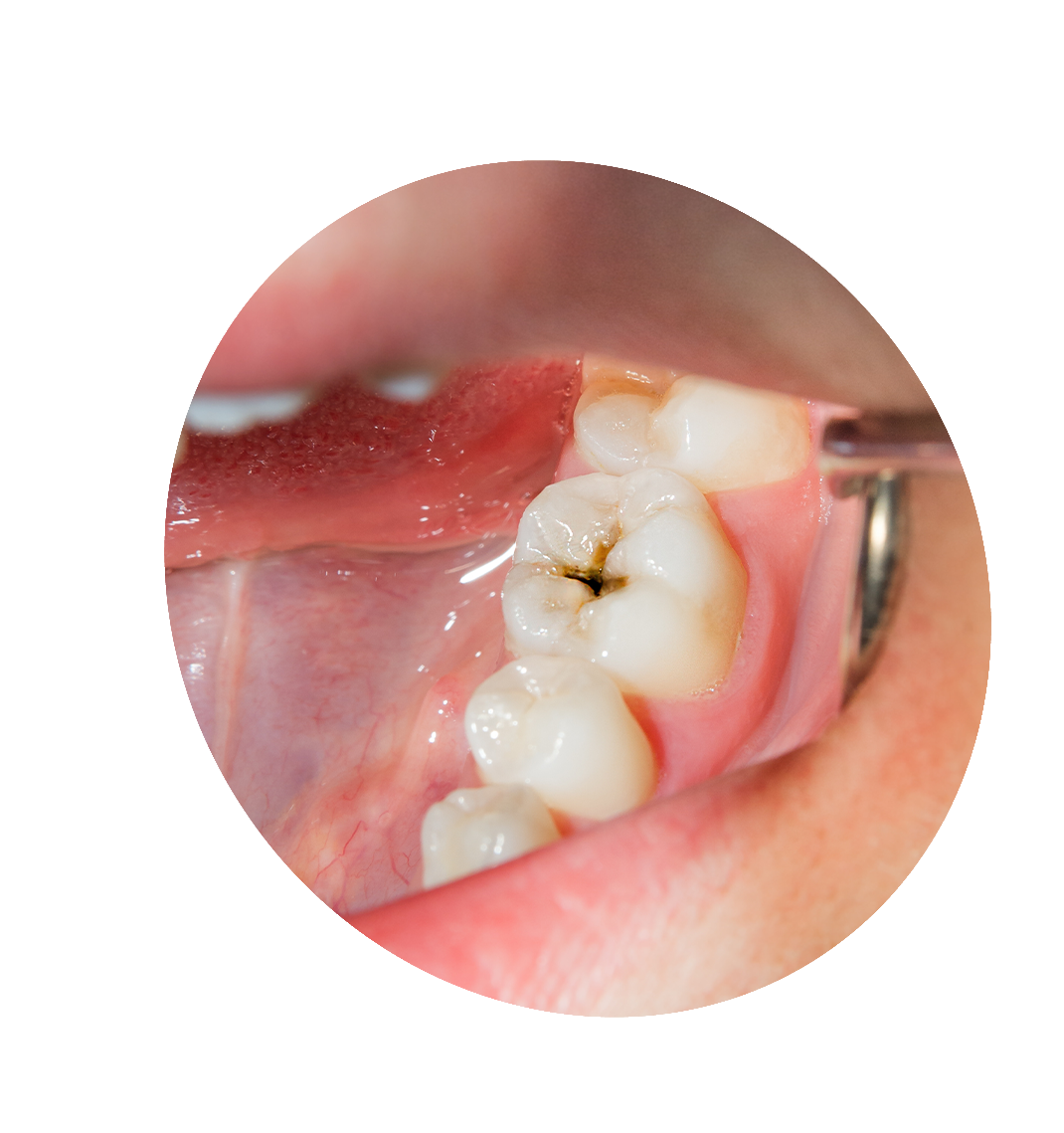
Nobody wants to hear they need a tooth pulled. We get it. But sometimes an extraction is the smartest move for your long-term oral health, and when that’s the case, you want it done right. At Bite Club in Bucktown, Dr. Nga Huynh performs tooth extractions with precision, gentle technique, and honest communication about what to expect before, during, and after the procedure.
Whether it’s a damaged tooth that can’t be saved, a wisdom tooth causing problems, or a tooth that needs to come out before implant placement, we make the process as comfortable and straightforward as possible.

Not every problem tooth needs to be pulled. We always explore conservative options first, including root canal treatment, crowns, or fillings. But extraction becomes the right call in certain situations.
Severe decay that has destroyed too much of the tooth structure to support a restoration is one of the most common reasons. Advanced gum disease that has caused significant bone loss around a tooth is another. Teeth that are cracked below the gumline, impacted wisdom teeth causing pain or infection, and teeth that are too crowded for orthodontic treatment all fall into the extraction category.
Dr. Huynh will explain exactly why extraction is recommended, what alternatives exist (if any), and what your replacement options look like. Nothing happens until you understand the full picture and feel ready to move forward.
Tooth extractions at Bite Club are performed under local anesthesia, so you won’t feel pain during the procedure. You’ll feel pressure as the tooth is loosened and removed, but the area will be completely numb.
Simple extractions (teeth that are fully visible above the gumline) are typically quick, often taking 20 to 30 minutes including preparation. Surgical extractions (for impacted or broken teeth) take a bit longer and may involve a small incision in the gum tissue to access the tooth.
After the extraction, we place gauze over the site and give you detailed aftercare instructions. Most patients manage recovery with over-the-counter pain medication and soft foods for a few days. Swelling and mild discomfort are normal and usually peak within the first 48 hours before improving steadily. We schedule a follow-up to check healing and discuss next steps if tooth replacement is part of your plan.
Leaving a gap where a tooth was removed can lead to shifting of surrounding teeth, bite changes, and bone loss over time. For most patients, we recommend replacing the missing tooth once the extraction site has healed.
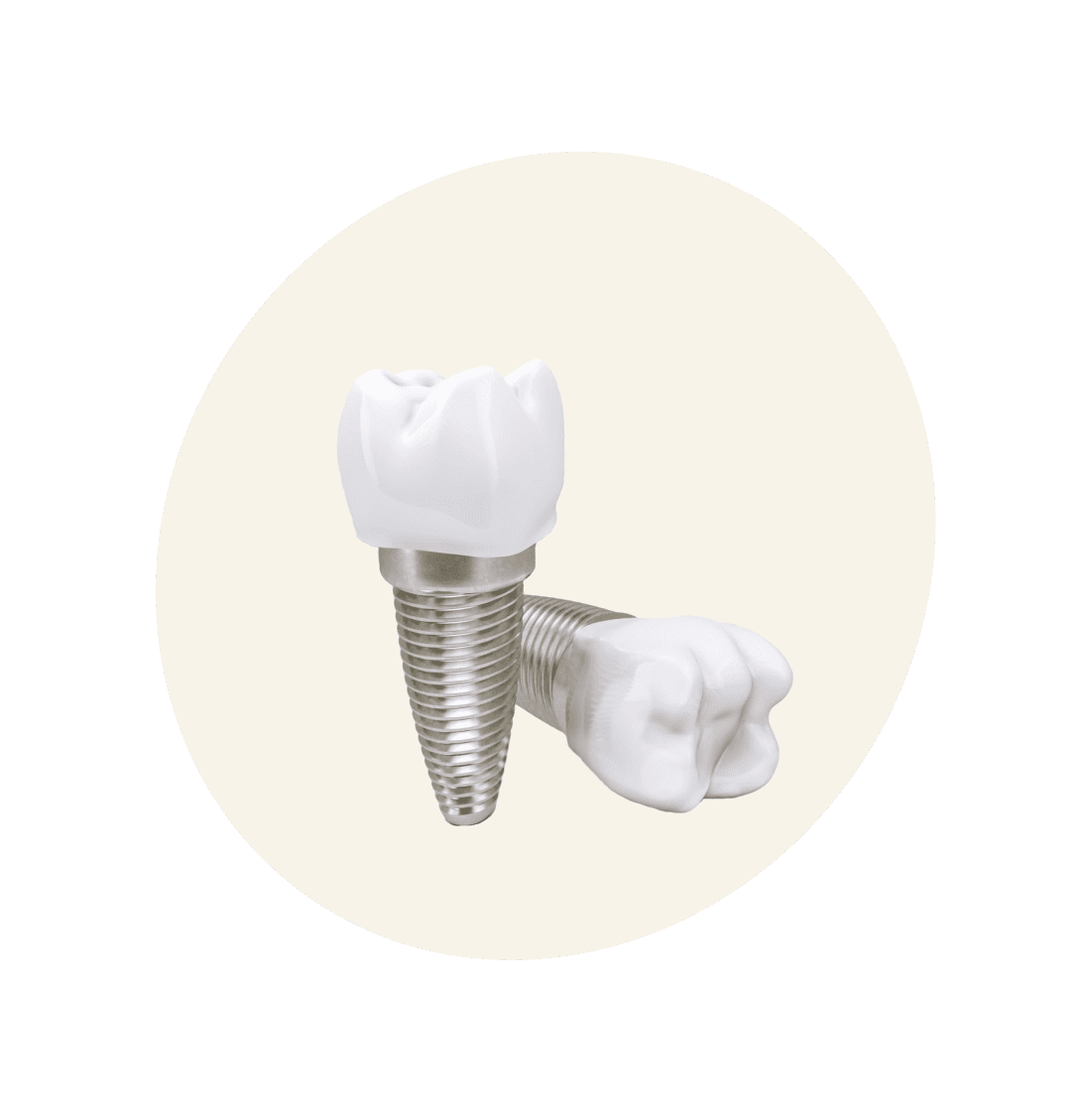
Dental implants are the gold standard for single-tooth replacement. An implant replaces both the root and the crown, preserving bone and functioning like a natural tooth. For patients who aren’t candidates for implants or prefer a different approach, a bridge or partial denture may be a better fit.
Dr. Huynh discusses replacement options during your extraction consultation so you have a clear plan from the start. If an implant is the right path, we can often begin planning the timeline before the tooth is even removed.
Ready to get a second opinion on a tooth that’s been giving you trouble? Contact Bite Club or call (312) 602-0036 to schedule a consultation at our Bucktown office.
Most patients who need an extraction also need ongoing general care for the rest of the mouth. We don’t pull a tooth and disappear. Cleanings, exams, and follow-ups continue as part of the bigger picture.
Composite fillings handle decay that hasn’t gone too far. When a cavity has destroyed too much of the tooth structure, an extraction enters the conversation.
After an extraction, a bridge is one of the replacement options. The teeth on either side of the gap support a custom artificial tooth in between.
For visible front-tooth extractions, we plan replacement carefully. The cosmetic outcome is at least as important as the functional one.
Extractions are part of broader oral surgery. We handle most extractions in-house, including wisdom teeth and pre-prosthetic surgical work.
Losing a tooth can shift the bite and aggravate TMJ issues. We assess the bite after extraction and adjust replacement plans to keep things balanced.
Root canal treatment is often the alternative to extraction. When a tooth can be saved with endodontic work, we save it.
For severe crowding, Invisalign sometimes requires extractions to make room. We coordinate the timing so the tooth movement happens after the extraction site has healed.
No. The extraction itself is performed under local anesthesia, so the area is completely numb. You'll feel pressure but not pain. After the numbness wears off, most patients manage any discomfort with ibuprofen or acetaminophen for a day or two.
Most patients feel significantly better within 3 to 5 days. The socket itself takes a few weeks to fully close and several months to completely heal at the bone level. We'll give you specific aftercare instructions and schedule a follow-up to monitor healing.
Cost depends on whether the extraction is simple or surgical and whether you have dental insurance. Simple extractions cost less than surgical ones. We accept all PPO plans and will verify your coverage before your appointment so you know what to expect.
Yes, but stick to soft foods for the first few days. Yogurt, smoothies, scrambled eggs, and mashed potatoes are all good options. Avoid using a straw, spitting forcefully, or eating anything hard or crunchy near the extraction site for at least a week.
In most cases, yes. Replacing a missing tooth with an implant prevents bone loss, keeps surrounding teeth from shifting, and restores full chewing function. Dr. Huynh will discuss timing and options during your extraction consultation.