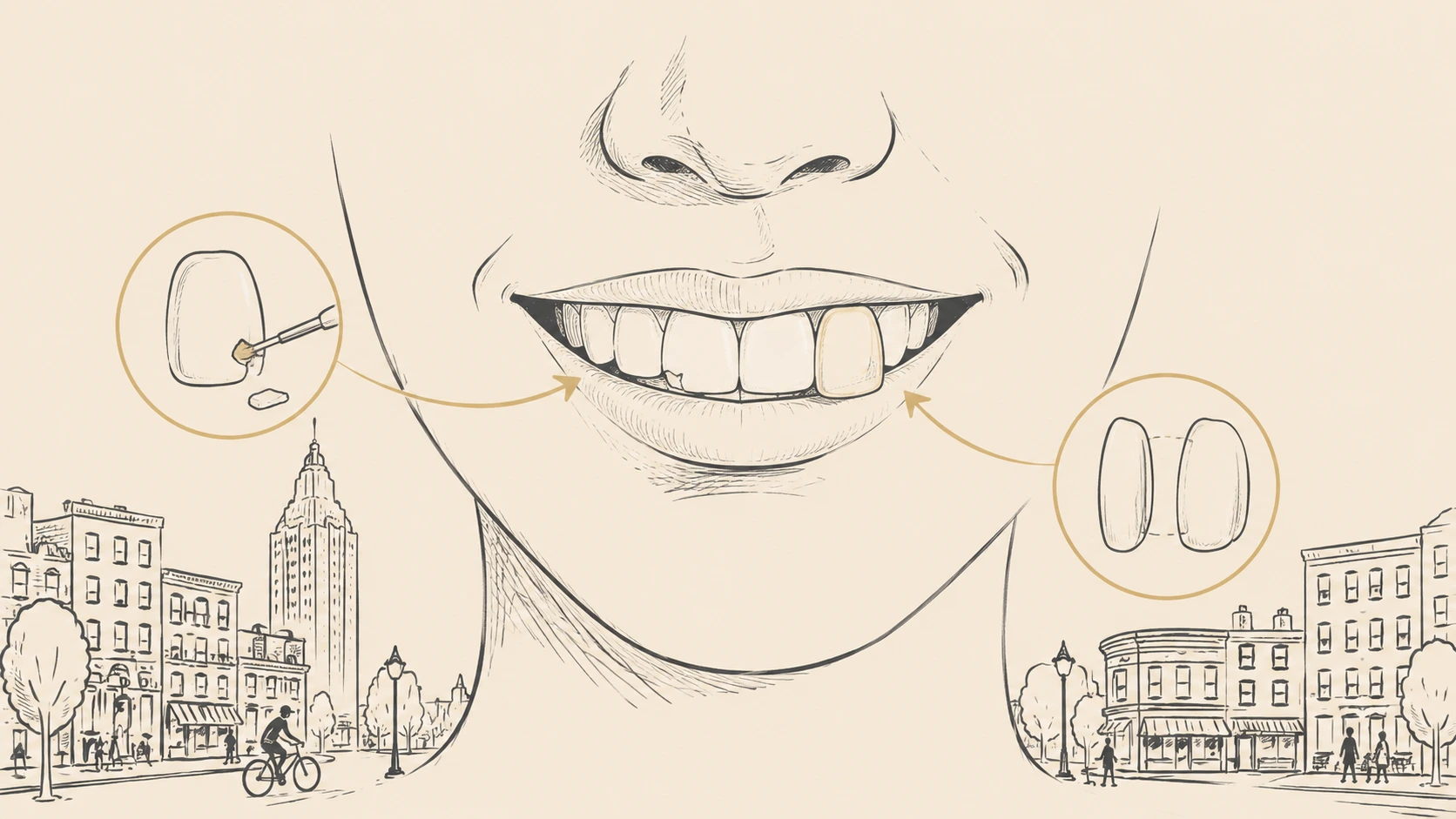
A small chip, a gap between your front teeth, or a slightly uneven edge can bother you more than it probably should. You notice it every time you smile in the mirror, in photos, on video calls. Dental bonding fixes those kinds of imperfections in a single appointment, without drilling down your natural tooth structure or spending thousands on veneers.
At Bite Club in Bucktown, we use tooth-colored composite resin to reshape, repair, and refine teeth that need a little help. It’s one of the fastest and most affordable cosmetic treatments we offer.

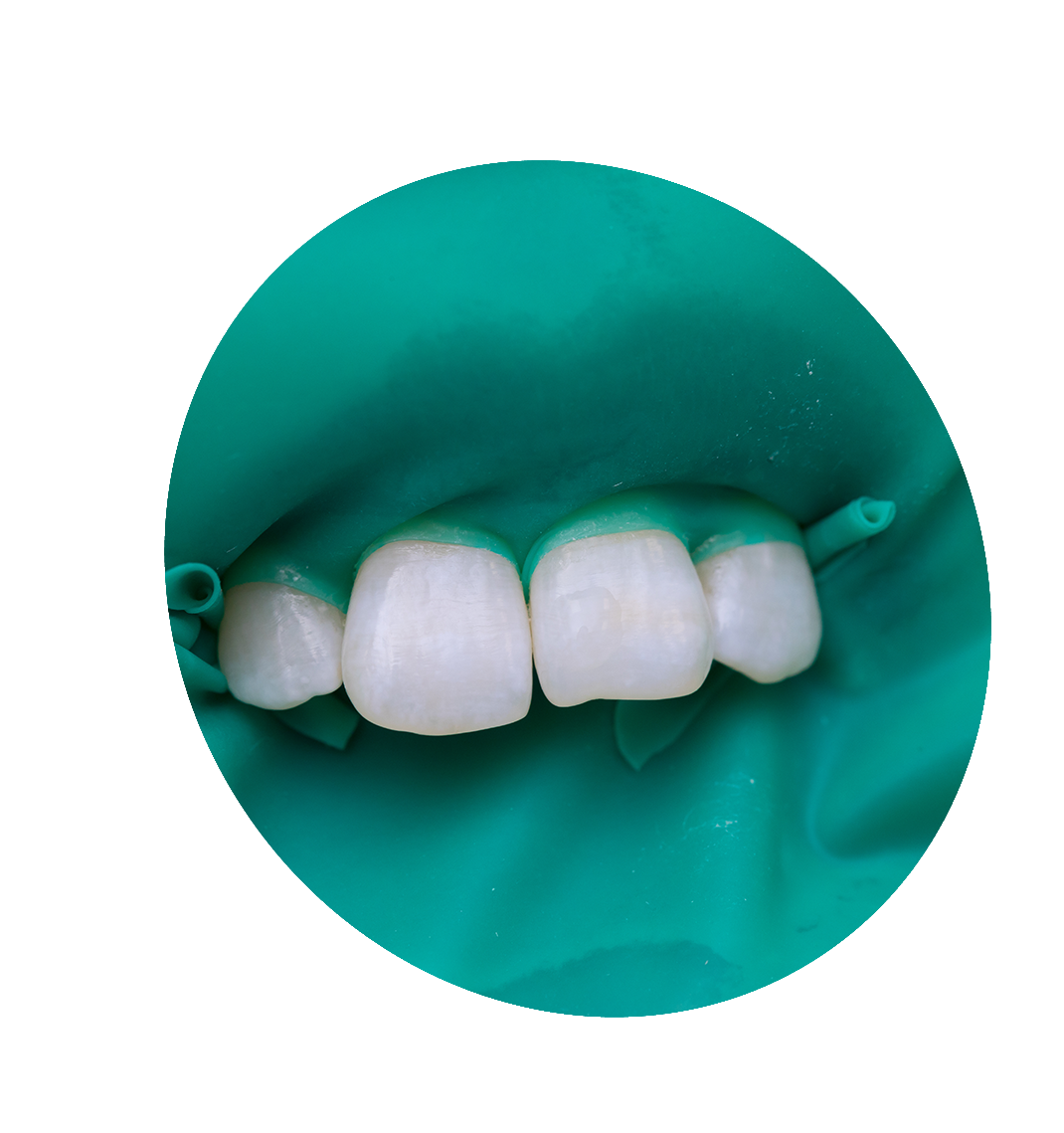
Dental bonding is a cosmetic procedure where Dr. Nga Huynh applies a composite resin material directly to your tooth, sculpts it into the right shape, and hardens it with a curing light. The resin is matched to your natural tooth color, so the repair blends in completely.
Unlike veneers or crowns, bonding usually requires little to no removal of your existing tooth enamel. That makes it a conservative option for patients who want visible results without irreversible changes to their teeth.
Bonding is versatile. It works well for a range of cosmetic and minor structural issues:
Chipped or cracked teeth. A small chip on a front tooth is one of the most common reasons patients ask about bonding. The composite fills in the missing piece and restores the tooth’s original shape.
Gaps between teeth. If you have a small gap between your front teeth (a diastema) that bothers you, bonding can close it without orthodontics. The results are immediate.
Uneven or short teeth. Teeth that are slightly shorter or irregularly shaped can be built up with composite to create a more uniform smile line.
Discoloration that doesn’t respond to whitening. Some stains sit deep in the enamel or are caused by old dental work. Bonding covers those areas with a natural-looking layer of resin.
Minor decay repair. When a cavity is small and located in a visible area, bonding with tooth-colored composite is both functional and cosmetic. We use the same material for our composite restorations throughout the practice.
Exposed root surfaces. If gum recession has exposed part of a tooth’s root, bonding can protect that area and reduce sensitivity.
One of the biggest advantages of dental bonding is how straightforward the appointment is. Here’s what to expect:
Color matching. Dr. Huynh selects a composite shade that matches your natural teeth. She uses a shade guide to get the color right so the bonding is invisible once it’s placed.
Tooth preparation. The surface of your tooth is lightly roughened and a conditioning liquid is applied. This helps the composite bond securely to the enamel. In most cases, no anesthesia is needed because the process is painless.
Application and sculpting. The composite resin is applied in layers, and Dr. Huynh sculpts each layer by hand to match the shape and contour of your tooth. This is where the artistry matters. The goal is a result that looks like it was always there.
Curing. A high-intensity light hardens each layer of composite in seconds. Once cured, the material is strong and durable.
Finishing. The bonded area is trimmed, shaped, and polished until it matches the sheen and texture of the surrounding teeth. Most patients can’t tell which tooth was bonded when they look in the mirror afterward.
The entire process takes 30 to 60 minutes per tooth. If you’re bonding multiple teeth, we can often complete the work in a single visit.
Bonding works best on healthy teeth. Routine exams and cleanings catch the cavities, recession, or gum issues that we treat first before any cosmetic bonding work.
Bonding and composite restorations use the same material applied differently. Restoration treats decay; bonding sculpts the look of the tooth.
Bonding is a conservative approach. Crowns are extensive. We always start with the smallest treatment that will get the result you want.
Bonding is one tool in the cosmetic kit, alongside whitening, veneers, and smile design. For small chips and gaps, it often handles the whole job. For bigger transformations, it works in combination.
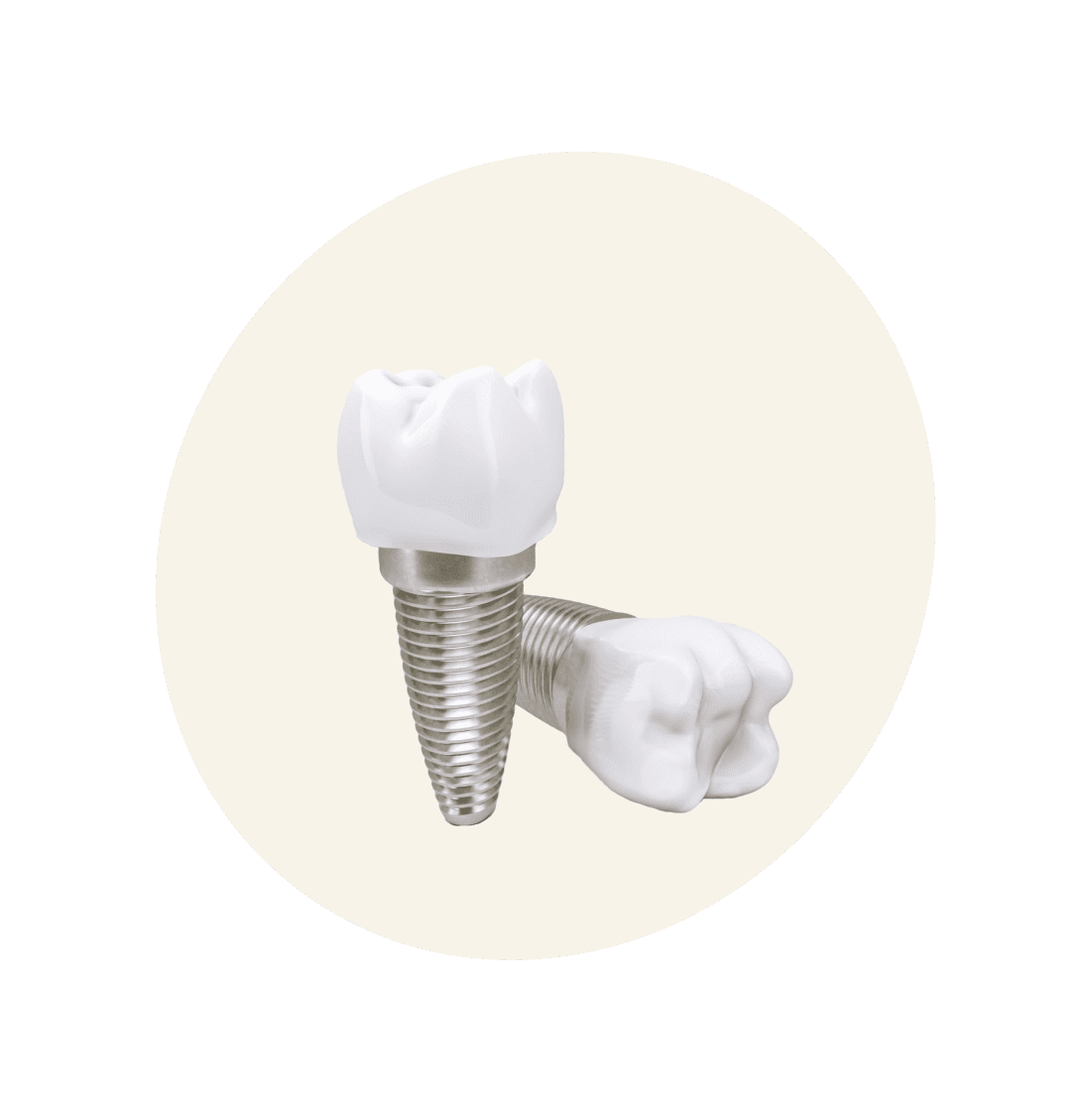
Bonding can’t fix a missing tooth. When the issue is structural rather than aesthetic, surgical work is the path forward.
Bonding wears faster on grinders. We assess for TMJ before bonding and protect the work with a night guard if there’s evidence of clenching or grinding.
A discolored tooth from internal trauma sometimes needs root canal treatment with internal whitening. Bonding can then refine the result.
Many patients add bonding at the end of Invisalign treatment to refine small remaining shape issues.
The cost of dental bonding varies depending on the number of teeth being treated and the complexity of the repair. Bonding is one of the most affordable cosmetic dental treatments available. When bonding is done to repair a chip or decay (rather than purely cosmetic reasons), it may be partially covered by PPO insurance. We'll verify your coverage before your appointment.
Yes, when it's done well. Dr. Huynh color-matches the composite resin to your surrounding teeth and sculpts each application by hand. Once polished, the bonded area blends with your natural enamel. Most people won't be able to tell which tooth was treated.
Composite resin can pick up stains over time from coffee, red wine, tea, and tobacco. The material doesn't respond to whitening treatments the way natural enamel does, so if you're planning to whiten your teeth, it's best to do that before bonding so the composite can be matched to your brighter shade.
Bonding is durable but not permanent. It typically lasts 5 to 10 years depending on the location of the bonding, your bite, and your daily habits. When the composite starts to wear or chip, it can be repaired or replaced in another single-visit appointment.
Yes. Small to moderate gaps between front teeth are one of the most common reasons patients choose bonding. The composite is applied to one or both teeth to widen them slightly and close the space. Results are immediate, and the procedure is completely reversible if you decide to pursue a different option later.