
Dental Implants Don’t Hurt Like You Think: Separating Fact from Fear
Fear of pain keeps many people from getting dental implants. But 72% of patients report less discomfort than expected. Modern anesthesia, minimally invasive techniques, and sedation options have changed the reality. Here is what implant surgery actually feels like and what to expect during recovery.
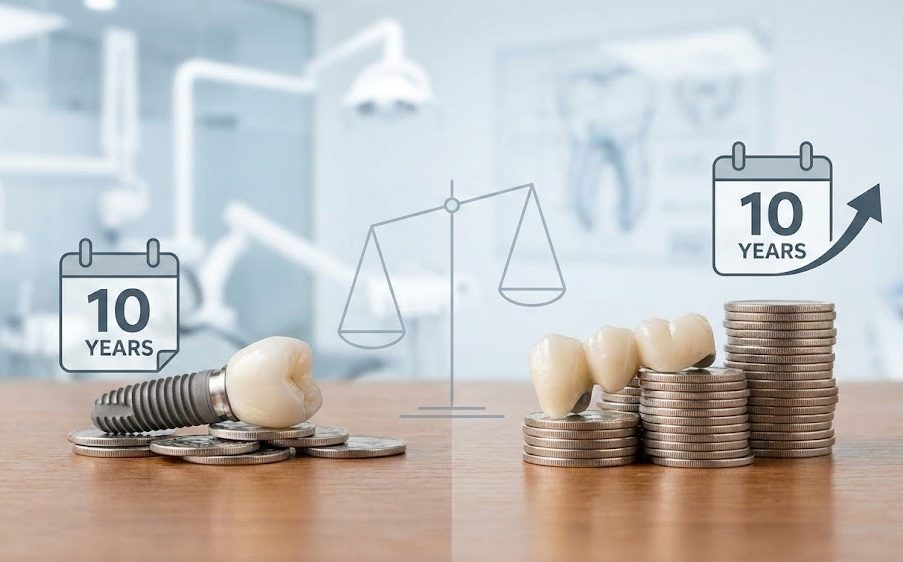
Single Implant vs. Bridge: Which Costs More Over 10 Years? (We Did the Math)
A bridge costs less upfront than an implant. But implants last 20+ years while bridges average 10 to 15. When you factor in replacements, maintenance, and damage to adjacent teeth, the 10-year cost tells a different story. Here is the math.
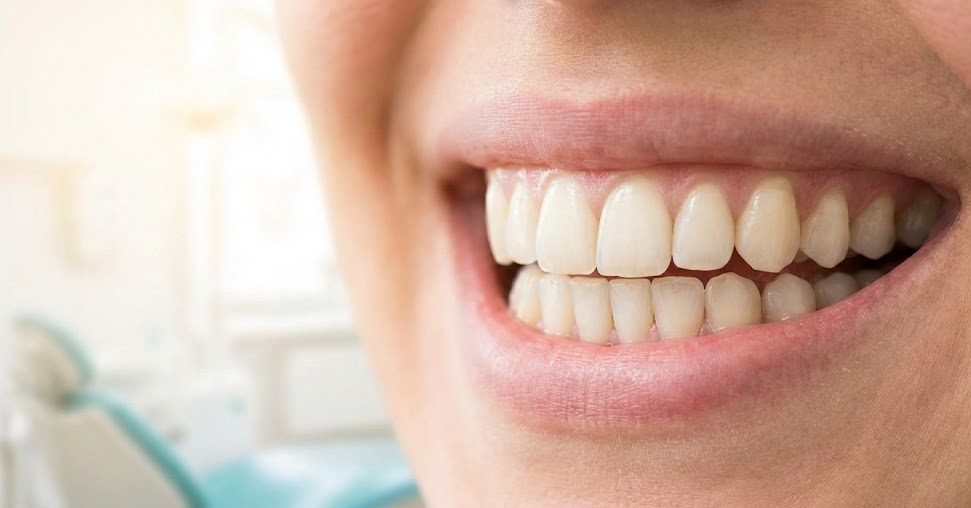
Teeth Whitening Is Overrated: What Actually Makes Your Smile Attractive
Research ranks tooth color 9th out of 10 factors in smile attractiveness. Alignment, symmetry, and smile arc matter far more than whiteness. If you have been whitening without results, here is what actually improves how your smile looks.

Why “No Judgment” Dentistry Is a Marketing Lie, And What Actually Helps Anxious Patients
72% of Americans report some level of dental fear. Every dental website promises "no judgment," but the phrase means nothing without action. Learn what research says actually helps anxious patients and what questions to ask before booking.
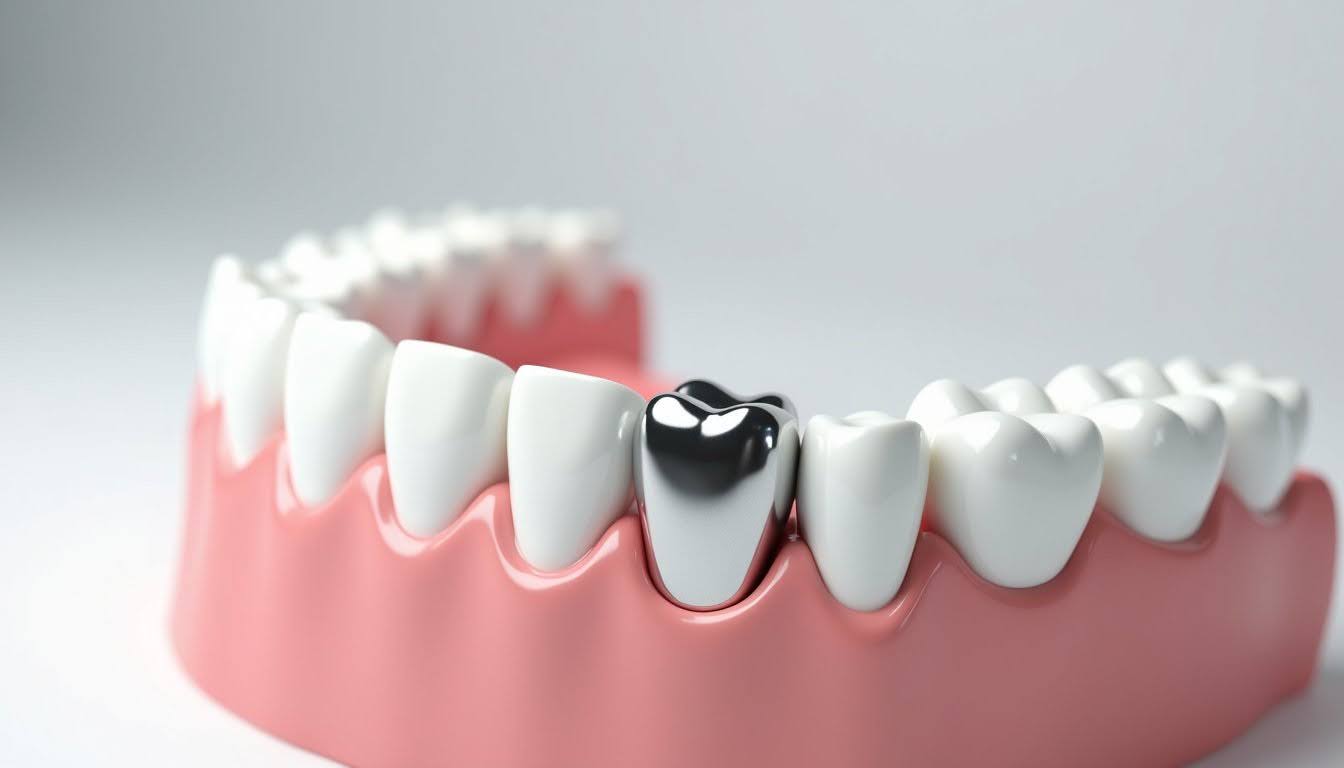
How Long Do Dental Crowns Really Last? We Reviewed 10 Years of Clinical Data
Clinical studies show 95% of dental crowns last at least 5 years, with many lasting 15 to 20 years or more. Learn what the research says about crown lifespan by material type, why crowns fail, and how to make yours last longer.
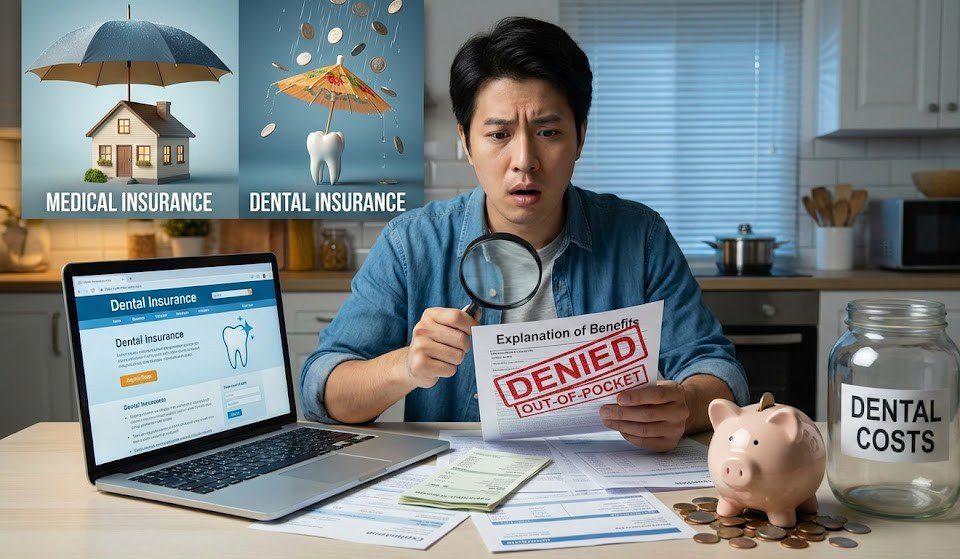
Why Your Dental Insurance Is Designed to Fail You (And What to Do About It)
68.5 million Americans have no dental coverage. But even those with insurance often face surprise bills. Learn how annual caps, waiting periods, and hidden clauses limit what your plan actually pays, and what you can do to get more value from your benefits.

Dental Implant Failure Rates: What the Research Actually Says (And What It Means for You)
Dental implants have a 97% success rate at 10 years. A 2024 meta-analysis found 4 out of 5 implants still working after 20 years. Learn what the clinical research says about failure rates, risk factors like smoking and bone density, and questions to ask before treatment.

Chicago’s Post-Pandemic Dental Crisis: What 3 Years of Delayed Care Is Costing Patients
40% of Americans skipped dental visits in 2020. Now, years later, the cost of waiting is showing up in Chicago dental chairs. Small cavities became root canals. Stress-related grinding cracked teeth. Here is what delayed care is costing patients and how to catch up.

TMJ in Chicago: Why Cases Are Rising Among Remote Workers (And What’s Behind It)
Bruxism affects 60 to 70% of people, but only 1 in 4 know they have it. Research shows stressed individuals are twice as likely to grind their teeth. Learn why remote work is driving TMJ cases up and what warning signs to watch for.
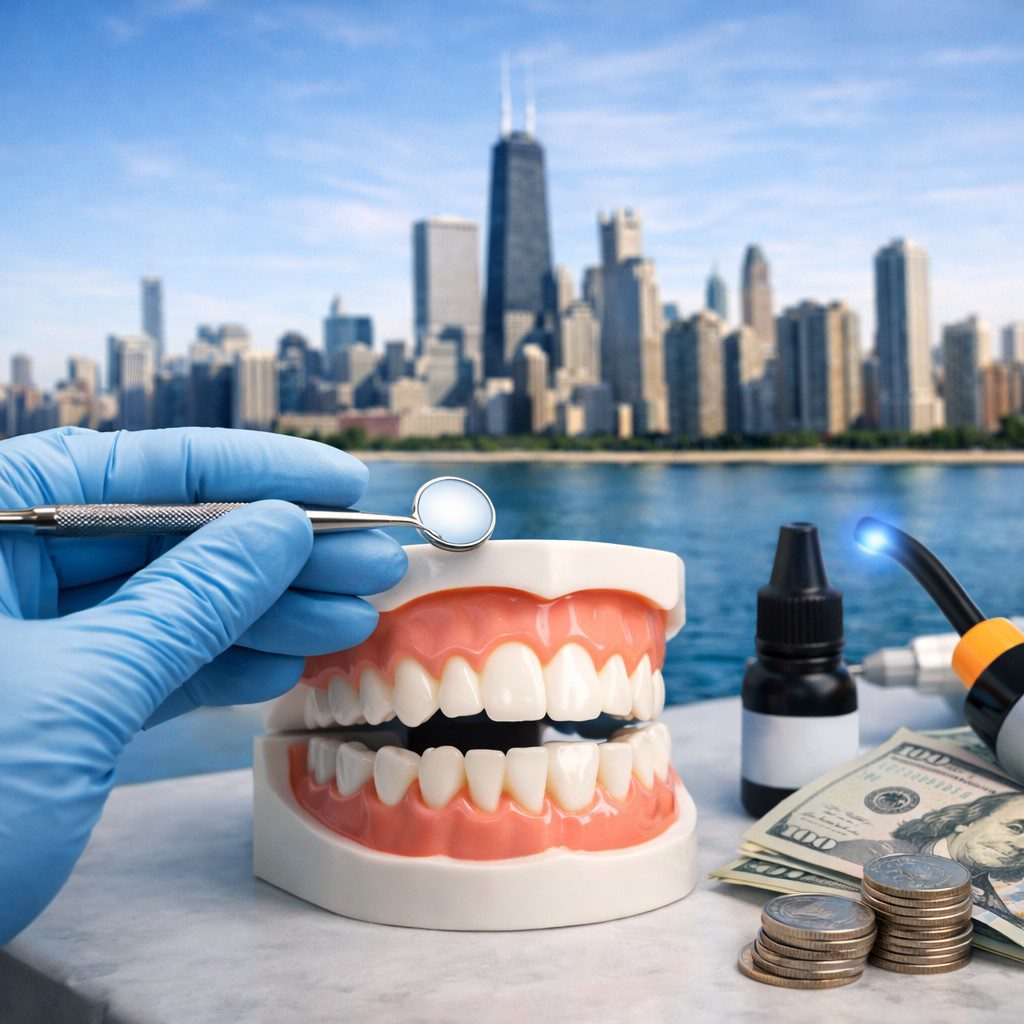
Why Are Composite Fillings so Expensive?
When considering why composite fillings are so expensive, you might first think about the materials involved. High-quality resins and fillers are essential for durability and aesthetics, but that’s just the beginning.
What Is the Failure Rate of Composite Fillings?
When it comes to composite fillings, understanding their failure rate is essential for maintaining your dental health. Factors like material quality, dentist skill, and your oral hygiene habits all play a role in how long these fillings last.

Is $200 Expensive for a Composite Filling?
When considering a composite filling, you might wonder if $200 is an excessive cost. It’s crucial to evaluate factors like material quality, dentist expertise, and regional pricing.