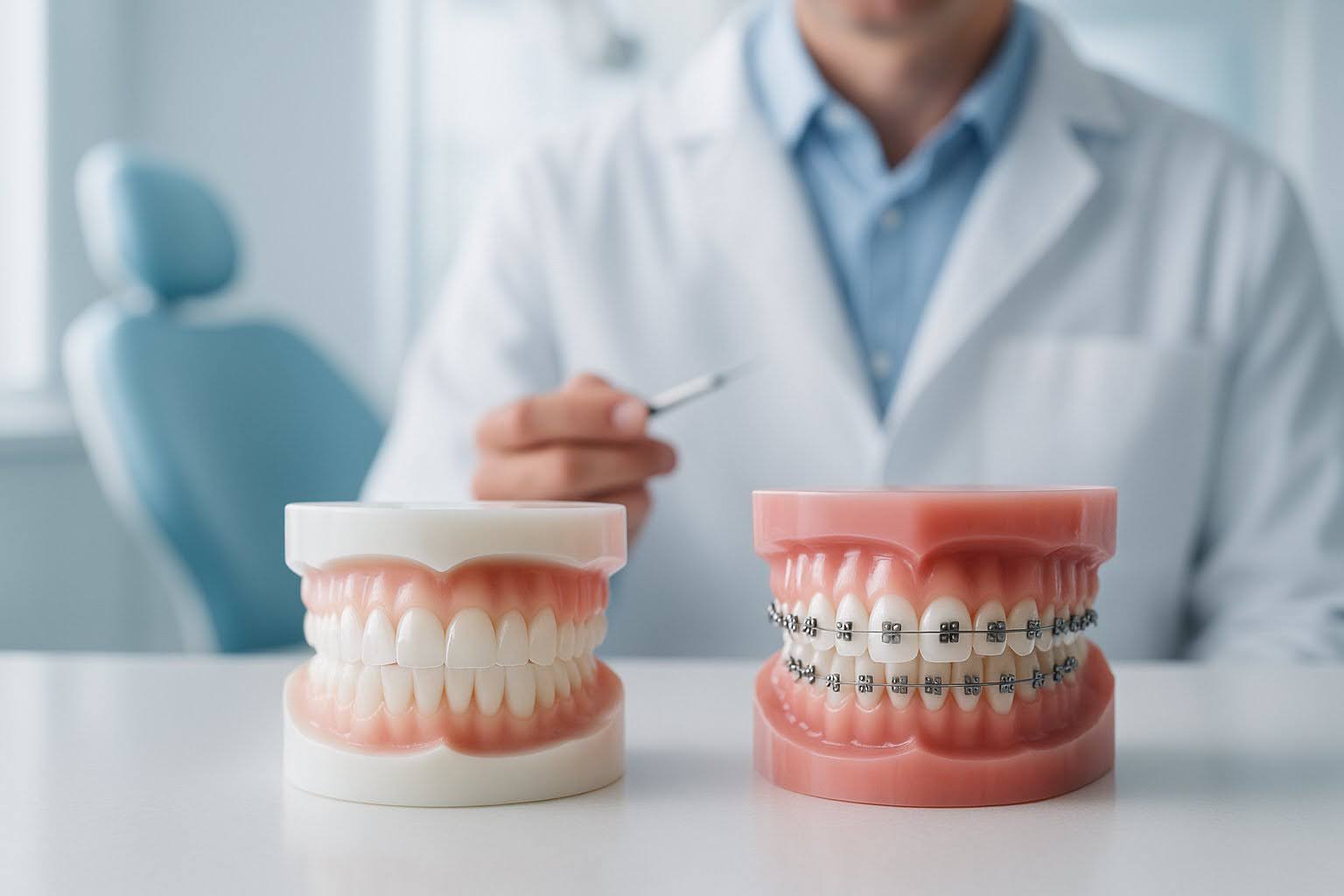

Is Invisalign Faster Than Braces?
When considering orthodontic options, many patients wonder if Invisalign is faster than traditional braces. Generally, Invisalign treatments range from 12 to 18 months, while braces can take 18 to 36 months. However, treatment duration often hinges on individual case complexity and patient adherence to the prescribed regimen. Understanding these nuances is vital to making an informed choice about your orthodontic journey. What factors might influence your treatment timeline?
Average Treatment Times for Invisalign and Braces
When considering orthodontic options, it’s crucial to understand the average treatment times for both Invisalign and traditional braces. Typically, Invisalign treatments range from 12 to 18 months, but you might experience variability based on severity and adherence. For mild cases, treatment can take as little as 6 months, while severe cases may extend beyond 24 months. In contrast, traditional braces usually require 18 to 36 months, making them longer on average. The complexity of your dental issues greatly influences treatment duration, aligning with patient expectations. While Invisalign often finishes about 5-6 months faster than braces, factors like compliance and the need for refinements can affect your overall experience and timelines for both options.
Effectiveness Based on Case Complexity
While both Invisalign and traditional braces are effective orthodontic treatments, their efficacy largely depends on the complexity of your dental issues. For mild to moderate cases, Invisalign can be highly effective, addressing crowding and spacing with less discomfort. However, it has limitations in severe cases where braces excel. Braces advantages include their ability to deliver precise movements and handle complex bite corrections, making them the preferred choice for severe malocclusions. In challenging cases, braces provide better long-term stability and predictability. While advancements in Invisalign technology can address some complex issues, you may still find that braces are more reliable for intricate treatments, ensuring ideal outcomes tailored to your specific needs.
Importance of Patient Compliance
Effective patient compliance is essential for successful orthodontic treatment outcomes, whether you choose Invisalign or traditional braces. High compliance rates directly influence your treatment success, with studies showing effectiveness rates between 75–90% for clear aligner therapy. Factors such as age, gender, and lifestyle habits play significant roles in your adherence to treatment protocols. To enhance compliance, it’s important to implement effective compliance strategies, including digital tools and regular reminders that keep you engaged. Understanding the significance of patient motivation can further encourage you to follow the prescribed plan. Non-compliance can lead to treatment delays, increased costs, and diminished satisfaction, so prioritizing adherence is imperative for achieving your desired results efficiently.
Comfort and Convenience Factors
Patient compliance greatly influences the success of orthodontic treatments, and comfort and convenience play vital roles in maintaining that adherence. Invisalign offers significant treatment comfort with its smooth, removable aligners that eliminate the irritation associated with brackets and wires. You won’t face painful tightening appointments or dietary restrictions, as aligners can be removed while eating. This lifestyle convenience makes it easy to maintain your oral hygiene routine without needing specialized tools. Additionally, the virtually invisible design reduces social anxiety, allowing you to feel more confident in various settings. With fewer emergency visits and less frequent orthodontic appointments, Invisalign enhances your overall treatment experience while promoting better gum health and ease of daily life integration.
Cost Comparison of Treatments
Cost plays a pivotal role in deciding between Invisalign and traditional braces, with both options presenting distinct pricing structures. The typical cost breakdown for braces ranges from $3,000 to $7,500, while Invisalign can range from $3,000 to over $10,000, depending on case complexity. Pricing factors include the severity of orthodontic issues, treatment duration, and the materials used. Urban areas often see higher costs for both treatments. While insurance plans may cover similar amounts, verifying your coverage is essential. Additionally, consider long-term costs like retainers or potential refinements with Invisalign. Ultimately, your choice should reflect not just immediate costs but also the overall value based on your specific orthodontic needs.
Statistical Findings on Treatment Duration
When comparing treatment durations for Invisalign and traditional braces, evidence suggests that Invisalign typically offers a faster path to achieving desired results. Statistical findings indicate that Invisalign’s average treatment duration ranges from 18 to 22.8 months, while conventional braces usually take about 22 to 24 months. Importantly, studies demonstrate statistically significant differences, showing that Invisalign treatment is shorter by approximately 4 to 6 months (P < 0.001). However, treatment variability occurs, as individual cases may extend beyond 22 months, particularly with refinements or complex cases. Braces often excel in addressing severe malocclusions, while Invisalign is more effective for mild to moderate issues, emphasizing the importance of case complexity in predicting treatment duration.
Long-Term Stability of Results
While both Invisalign and traditional braces effectively correct malocclusions, their long-term stability can differ based on several factors. Research indicates that Invisalign may have a slightly higher relapse rate compared to braces, though this difference isn’t always statistically significant. Both methods can achieve lasting treatment outcomes, but compliance and post-treatment care are essential for maintaining long-term stability, especially with Invisalign. You must wear your aligners consistently and utilize retainers post-treatment to prevent relapse. Additionally, the complexity of your case can impact stability, with more complex cases often better suited for braces. Ultimately, both options can maintain dental alignment over time, given appropriate aftercare and commitment to oral hygiene.
Ideal Candidates for Each Treatment
Determining the ideal candidates for Invisalign or traditional braces hinges on several essential factors, including the severity of orthodontic issues, patient age, oral health, and compliance with treatment protocols. Invisalign is most suitable for individuals with mild to moderate misalignment, while severe cases often require braces for maximum correction. Patient age plays a role, as braces can accommodate younger patients still undergoing dental development, whereas Invisalign is best for mature teens and adults. Good oral hygiene is important for Invisalign wearers, while braces may be more forgiving. Finally, adherence to treatment protocols is significant; those who struggle with responsibility may benefit from braces advantages, as they remain fixed and don’t rely on patient compliance.
Making an Informed Decision
How can you decide between Invisalign and traditional braces for your orthodontic needs? It’s essential to weigh Invisalign considerations against braces advantages. While Invisalign often offers a quicker average treatment time of 12 to 18 months, this can vary based on case complexity and patient compliance. Remember, traditional braces might complete treatment faster in intricate cases due to continuous force and fewer refinements. Both methods yield high success rates, yet braces tend to provide greater long-term stability and slightly lower relapse rates. Ultimately, your decision should factor in your specific dental issues, lifestyle, and commitment level. Consulting with your orthodontist will help you make an informed choice tailored to your unique situation.
Frequently Asked Questions
Can I Switch From Braces to Invisalign Mid-Treatment?
You can switch from braces to Invisalign mid-treatment, but it’s essential to consult your orthodontist. They’ll evaluate your treatment flexibility and provide a braces comparison to guarantee it aligns with your goals effectively.
How Often Will I Need to Visit the Orthodontist?
You’ll typically visit the orthodontist every 6–8 weeks for monitoring your treatment frequency. Your appointment schedule may vary based on your case complexity, ensuring effective progress and addressing any concerns throughout your Invisalign journey.
Do Aligners Affect Speech During Treatment?
Yes, aligners can affect speech clarity initially, causing mild lisping. However, as you adapt, aligner comfort improves, and your articulation typically returns. Regular practice speaking with aligners can accelerate this adaptation process effectively.
What Happens if I Lose an Aligner?
If you lose an aligner, prioritize treatment continuity by using the previous set until you get an aligner replacement. Contact your orthodontist promptly to prevent unwanted tooth movement and guarantee effective treatment progress.
Are There Any Age Restrictions for Invisalign?
Invisalign eligibility varies by age, with recommendations starting at around 7 for younger children. Teen suitability aligns closely with ages 12 to 14, ensuring adequate dental maturity and compliance for effective treatment outcomes.