
Dental Implant Failure Rates: What the Research Actually Says (And What It Means for You)
Dental implants have a 97% success rate at 10 years. A 2024 meta-analysis found 4 out of 5 implants still working after 20 years. Learn what the clinical research says about failure rates, risk factors like smoking and bone density, and questions to ask before treatment.

Chicago’s Post-Pandemic Dental Crisis: What 3 Years of Delayed Care Is Costing Patients
40% of Americans skipped dental visits in 2020. Now, years later, the cost of waiting is showing up in Chicago dental chairs. Small cavities became root canals. Stress-related grinding cracked teeth. Here is what delayed care is costing patients and how to catch up.

TMJ in Chicago: Why Cases Are Rising Among Remote Workers (And What’s Behind It)
Bruxism affects 60 to 70% of people, but only 1 in 4 know they have it. Research shows stressed individuals are twice as likely to grind their teeth. Learn why remote work is driving TMJ cases up and what warning signs to watch for.
Why Are Composite Fillings so Expensive?
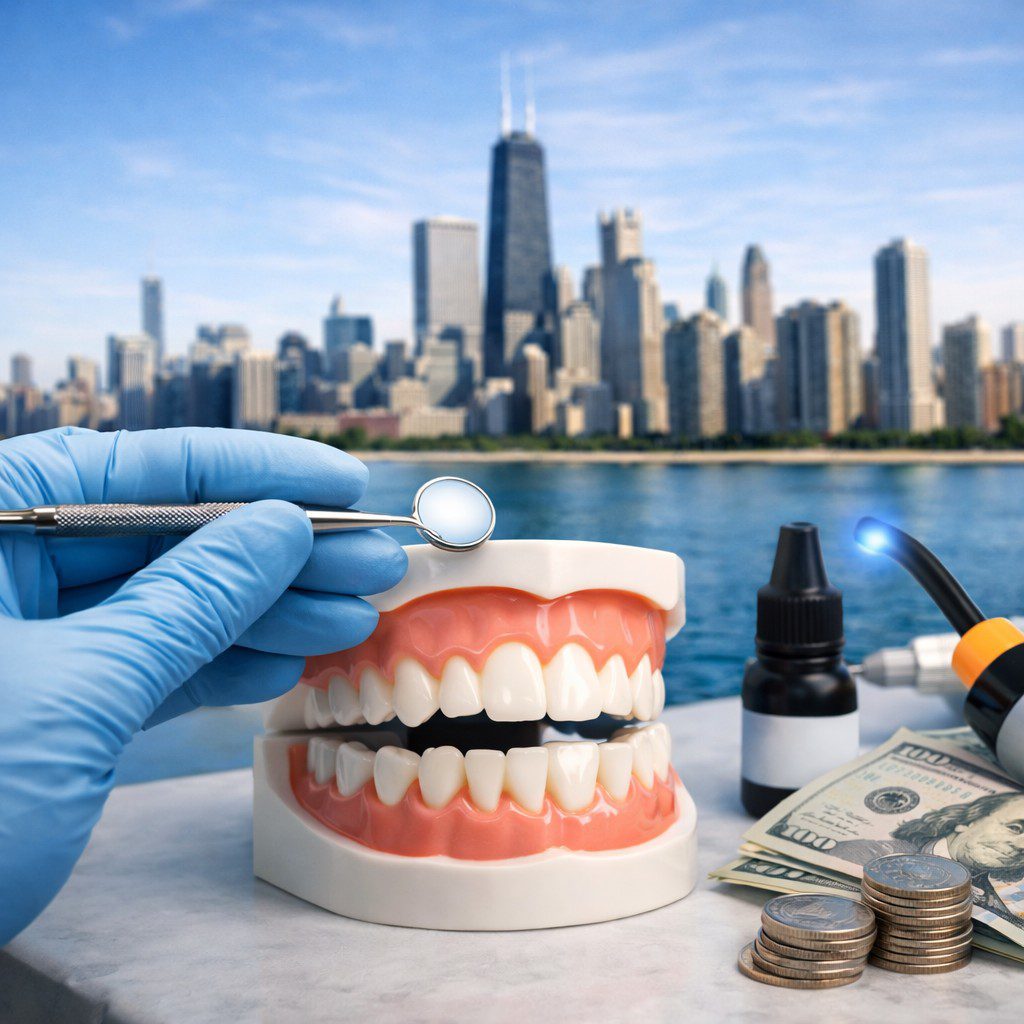
When considering why composite fillings are so expensive, you might first think about the materials involved. High-quality resins and fillers are essential for durability and aesthetics, but that’s just the beginning.
What Is the Failure Rate of Composite Fillings?
When it comes to composite fillings, understanding their failure rate is essential for maintaining your dental health. Factors like material quality, dentist skill, and your oral hygiene habits all play a role in how long these fillings last.

Is $200 Expensive for a Composite Filling?
When considering a composite filling, you might wonder if $200 is an excessive cost. It’s crucial to evaluate factors like material quality, dentist expertise, and regional pricing.
How Much Is a Composite Dental Filling in Chicago?
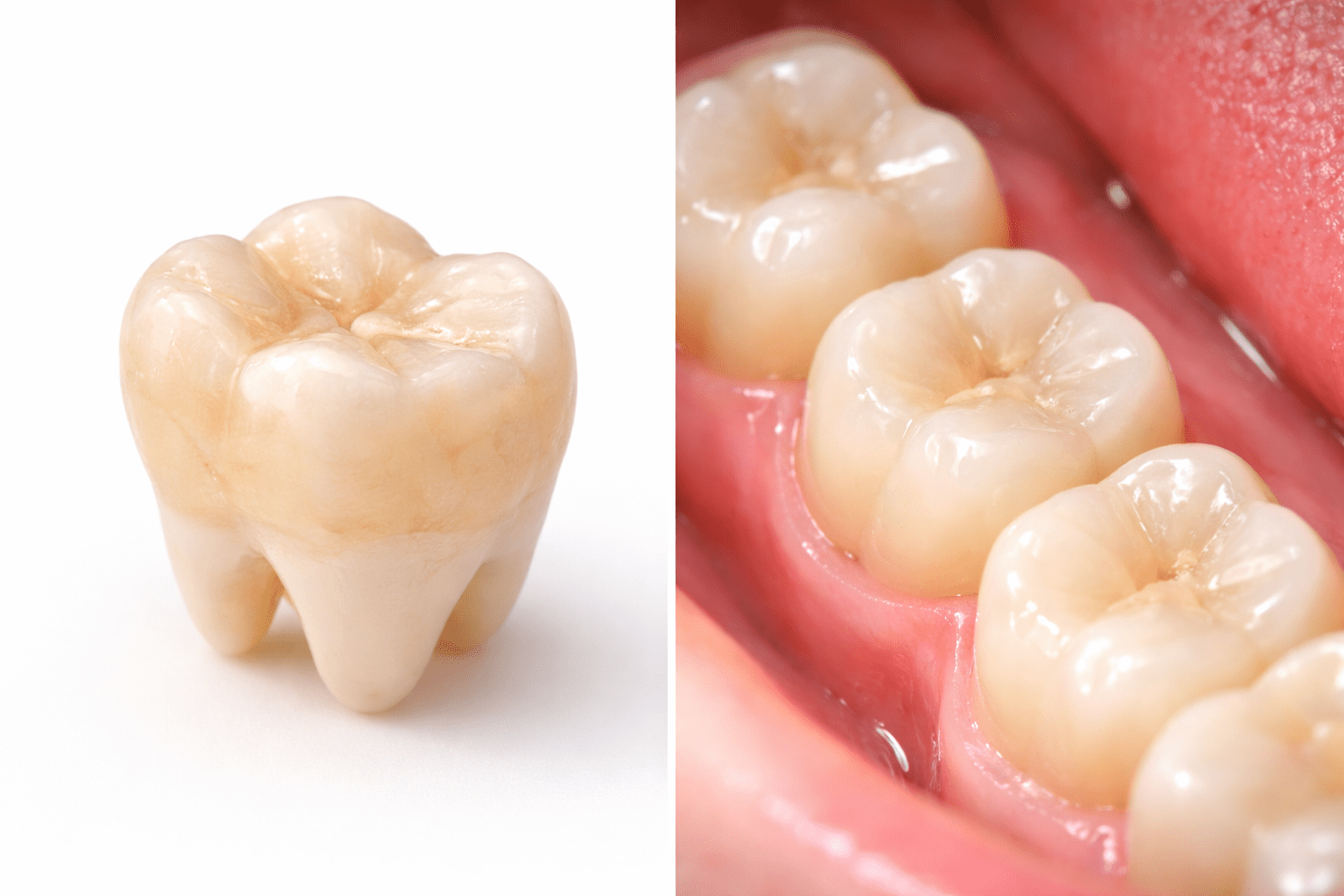
When considering a composite dental filling in Chicago, you'll find prices typically range from $150 to $300. However, several factors can influence this cost, such as the dentist's experience and the complexity of your specific case.

How Much Is 1 Composite Filling?
When you need a composite filling, understanding the cost is essential for planning your dental care. Typically, a single filling can range from $150 to $300, but various factors influence this price.

How Much Does It Cost to Replace Composite Fillings?
When it comes to replacing composite fillings, you might wonder about the costs involved. The price can vary greatly based on several factors, including the materials used and the dentist’s expertise. Understanding these elements is essential for making an informed decision.
How Much Does It Cost for Composite Fillings?
When considering composite fillings, it’s important to understand the costs involved. Prices typically range from $150 to $400 per tooth, influenced by various factors like material quality and dentist expertise.
How Much Does Composite Filling Cost per Tooth?
When you’re considering composite fillings, it’s important to understand the costs involved. Prices can vary greatly based on factors like the dentist’s expertise and the materials used.
How Many Composite Fillings Are Normal at 30?
By the age of 30, you might wonder how many composite fillings are considered normal. Most adults have between 7 to 10 fillings, but this can vary widely. Factors like your diet, oral hygiene practices, and genetic predisposition all play a significant role.