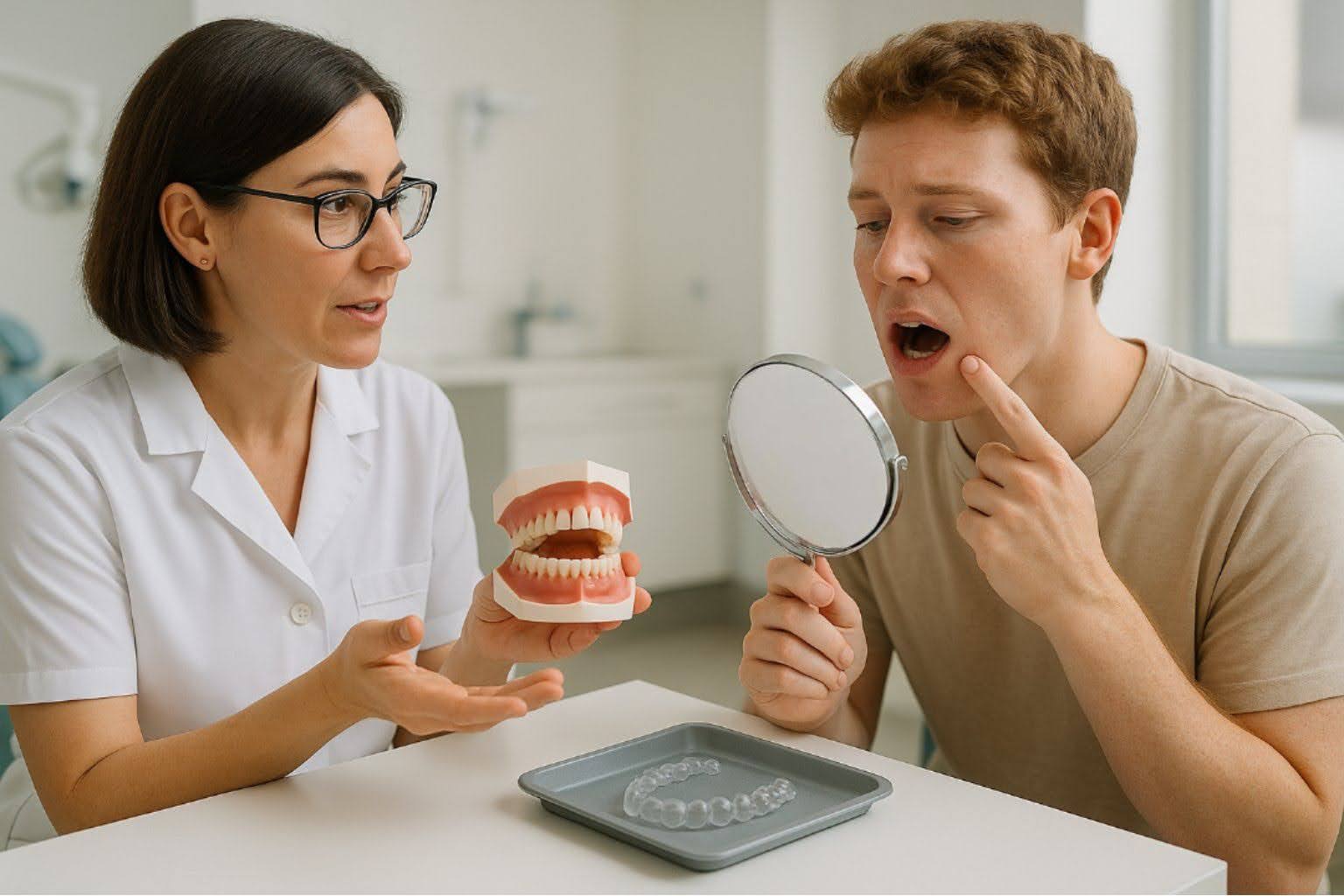

What Will Disqualify You From Invisalign?
Considering Invisalign for your orthodontic needs? It’s important to understand that not everyone qualifies for this treatment. Certain dental health issues can disqualify you, impacting your eligibility and treatment outcomes. Factors like gum disease, cavities, and severe misalignment play a significant role. Before you make any decisions, it’s vital to evaluate these aspects with your dental professional to guarantee you’re on the right path. What specific conditions could affect your treatment?
Active Gum Disease
If you have active gum disease, you’re likely disqualified from using Invisalign until the condition is under control. Periodontal disease, whether it’s gingivitis or periodontitis, can lead to serious complications, including gum bleeding and tooth loss. Before starting Invisalign, your dentist or periodontist must conduct a thorough gum evaluation to assess your periodontal stability. Orthodontic treatment can’t proceed until your gum health is stabilized, as active infection undermines the foundation necessary for effective tooth movement. Ignoring gum disease can worsen during treatment and increase the risk of tooth mobility. Once your periodontal condition is managed, you may be a candidate for Invisalign, but ongoing monitoring and commitment to oral hygiene remain essential for success.
Untreated Cavities or Tooth Decay
Untreated cavities or tooth decay can greatly impact your eligibility for Invisalign treatment, as addressing these issues is essential for maintaining ideal oral health. Before starting Invisalign, you must undergo cavity treatment to guarantee your teeth are strong enough for orthodontic movement. Active decay can worsen while wearing aligners, as they trap bacteria and sugars, increasing the risk of complications. If cavities are present, your orthodontist will likely require you to resolve these issues first. This step guarantees proper aligner fit and effectiveness, preventing potential infections or pain during treatment. Ultimately, prioritizing your oral health by treating cavities before Invisalign not only facilitates better outcomes but also safeguards against further dental issues throughout your orthodontic journey.
Severe Crowding or Misalignment
Severe crowding or misalignment can greatly affect your eligibility for Invisalign treatment, as these conditions often exceed the system’s capabilities. While Invisalign effectively treats mild to moderate crowding, severe crowding may necessitate additional procedures like tooth extraction or palatal expansion to create sufficient space for alignment. If your teeth are rotated over 20 degrees or tilted more than 45 degrees, Invisalign’s effectiveness diminishes. For severe misalignment, patient compliance is vital, and advanced techniques like attachments may be required to enhance treatment. In some cases, combining Invisalign with traditional braces may yield better results. A thorough orthodontic evaluation is essential to determine the best approach for your specific crowding or misalignment issues.
Severe Bite Problems
While severe crowding and misalignment can disqualify you from Invisalign, severe bite problems present another significant barrier to treatment. Malocclusion types like pronounced overbites, underbites, or crossbites complicate tooth movement and jaw positioning, making aligners insufficient. Invisalign is primarily designed for mild to moderate cases, and severe malocclusions often require forces beyond what aligners can provide. In such instances, orthodontic alternatives like traditional braces or surgical interventions may be more appropriate. Attempting to use Invisalign for severe bite issues can lead to inadequate corrections, increasing the risk of relapse or functional problems. A professional consultation is essential to determine the best course of action for your specific dental needs.
Missing Teeth
If you’ve got missing teeth, you might still be a candidate for Invisalign, as the treatment can accommodate various situations involving tooth loss. Missing teeth don’t automatically disqualify you; it all depends on the position and number of those teeth, along with your overall dental alignment. Your orthodontist will conduct an individual assessment to determine your suitability. It’s essential to recognize that gaps from missing teeth can lead to misalignment over time, so treatment planning may focus on closing smaller gaps or maintaining space for future restorations. While Invisalign can create ideal spacing for prosthetics, significant gaps may require additional procedures. Commitment to wearing your aligners consistently remains vital for successful orthodontic treatment, regardless of any missing teeth.
Poor Oral Hygiene
Maintaining good oral hygiene is vital for anyone considering Invisalign treatment. Poor hygiene, such as untreated tooth decay or active gum disease, can disqualify you from starting the process. If you have persistent bad breath or gum irritation, addressing these issues is important before proceeding. Neglecting your dental care can lead to plaque buildup under the aligners, increasing the risk of cavities and gum problems. Additionally, trapped bacteria can compromise your treatment’s effectiveness and may even damage your aligners, making them cloudy or odorous. To guarantee a successful Invisalign journey, establish a daily routine of brushing and flossing, and schedule regular dental check-ups to maintain peak oral health throughout your treatment.
Non-Compliance With Aligner Wear
Non-compliance with aligner wear can greatly hinder your Invisalign treatment progress. When you wear your aligners for less than the prescribed 20-22 hours daily, tooth movement slows, extending your overall treatment time. Insufficient wear disrupts the necessary continuous pressure, leading to tracking issues that can cause delayed or stalled progress. If you remove your aligners for extended periods, your teeth may shift back toward their original positions, erasing any progress made. Poor fit of aligners due to inconsistent wear can result in increased discomfort and might necessitate additional office visits or modifications to your treatment plan. Ultimately, non-compliance can complicate your journey to a straighter smile, making adherence to the recommended wear time essential.
Age and Developmental Considerations
As you consider Invisalign treatment, age and developmental factors play a crucial role in determining your candidacy. There’s no official maximum age limit, so adults in their 40s, 50s, and 60s can successfully complete treatment, provided they maintain good oral health. However, for younger candidates, age suitability is tied to dental maturity. Children as young as 6 may qualify, but typically, candidates need most permanent teeth, often around ages 12 to 14. Additionally, compliance with the 22-hour daily wear can be challenging for younger patients. Older adults may experience slower tooth movement, which could extend treatment duration, yet their commitment often leads to successful results. Monitoring by an orthodontist guarantees effective alignment throughout the process.
Impact of Previous Dental Work and Structural Issues
While previous dental work can often enhance your smile, it may also complicate your candidacy for Invisalign treatment. Existing restorations like crowns or bridges can interfere with the fit and movement of aligners, potentially limiting effective tooth movement. If you’ve had extensive restorative work, your orthodontist might suggest alternative approaches instead of Invisalign. Additionally, anatomical constraints such as complex tooth shapes or jaw structures can hinder the results you expect. If extractions are necessary, Invisalign typically isn’t a suitable option, as it struggles with managing space effectively in those cases. Ultimately, a thorough assessment by your orthodontist is essential to determine if your previous restorations and structural issues allow for successful Invisalign treatment.
Frequently Asked Questions
Can I Get Invisalign if I Have Sensitive Teeth?
Yes, you can get Invisalign even if you have sensitive teeth. However, it’s essential to consult an orthodontist to assess your specific situation and guarantee Invisalign’s suitability for your dental health and comfort.
Will My Insurance Cover Invisalign Treatment Costs?
Your insurance coverage for Invisalign treatment costs varies by plan. Check your policy’s orthodontic benefits, including deductibles and waiting periods, to determine available treatment options and potential out-of-pocket expenses before proceeding with your decision.
How Long Does Invisalign Treatment Typically Last?
Invisalign treatment typically lasts 12 to 18 months, depending on your misalignment severity. You’ll change aligners every 1 to 2 weeks, ensuring effective progress toward your desired results throughout the treatment duration.
Can I Drink Beverages While Wearing Aligners?
You shouldn’t drink beverages while wearing aligners. Prioritize aligner care by only consuming plain, cold, or room temperature water. For other drinks, remove your aligners, drink quickly, and maintain proper oral hygiene afterward.
Are There Dietary Restrictions During Invisalign Treatment?
During Invisalign treatment, you’ll have minimal dietary restrictions. Follow dietary guidelines by removing aligners before meals, ensuring proper aligner maintenance through thorough oral hygiene to prevent staining and decay after consuming any food or drink.