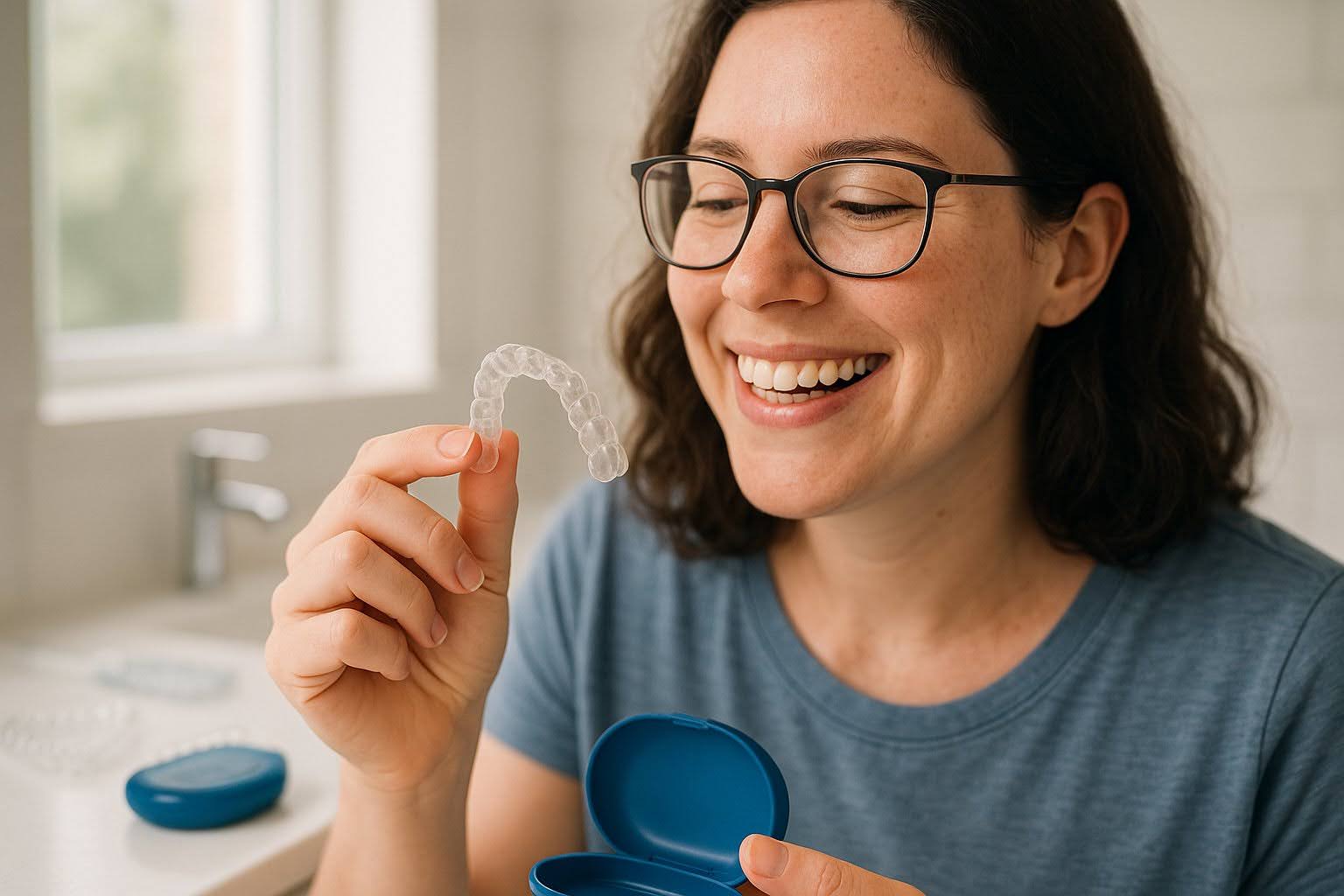

What Is the Last Stage of Invisalign?
In the last stage of Invisalign, you’ll focus on wearing final aligners that fine-tune your smile after the primary aligner series. Consistent use of these aligners for 20 to 22 hours daily is essential for achieving the desired results. A dental evaluation follows to assess alignment, and refinement trays might be introduced if necessary. Understanding the importance of this phase is vital, especially as it leads into the retention period. What comes next?
Final Aligner and Active Treatment Completion
When you reach the final aligner stage of your Invisalign treatment, it signifies the completion of the main series of aligners and marks the last phase of active tooth repositioning. During this critical period, the final aligners focus on making small adjustments to perfect your smile, addressing minor gaps, rotations, or positions. Wearing these aligners consistently for 20 to 22 hours daily is essential to maintain effective pressure. Achieving this treatment milestone indicates you’re ready for the final dental evaluation, which confirms whether your teeth have reached their planned positions. If necessary, your orthodontist may recommend refinement trays to perfect alignment further. Ultimately, the final aligner benefits include ensuring ideal aesthetics and bite function before shifting to retention.
The Importance of Retainers Post-Invisalign
Although you’ve successfully completed your Invisalign treatment, the journey to a stable and aligned smile isn’t over yet. Retainers are vital for preventing teeth from shifting back to their original positions, a process known as relapse. During the post-treatment care phase, retainers stabilize your teeth while they adapt to their new alignment. Consistent use of retainers guarantees the benefits of your Invisalign investment are preserved, supporting both your oral health and aesthetics. Initially, you’ll wear retainers full-time, moving to nightly use as directed by your dental professional. Skipping retainer wear increases the risk of shifting teeth, necessitating potential retreatment and compromising your results. As a result, adhering to your retainer regimen is essential for maintaining your new smile.
Understanding Jawbone and Tissue Remodeling
Understanding the intricate processes of jawbone and tissue remodeling is essential for grasping how your teeth maintain their new positions after Invisalign treatment. Your teeth rely on jawbone adaptation, where the alveolar bone continuously remodels in response to pressure from aligners. Initially, aligners apply force, triggering the periodontal ligament to signal osteoclasts to resorb bone where pressure occurs. Conversely, osteoblasts deposit new bone on the tension side, stabilizing the tooth in its new position. This cycle of resorption and deposition persists throughout treatment. After finishing Invisalign, the jawbone and surrounding tissues continue to remodel for 9–12 months, ensuring long-term stability as new bone matures. Understanding this process highlights the importance of aftercare in maintaining your results.
Orthodontic Monitoring After Treatment
While you’ve completed your Invisalign treatment, ongoing orthodontic monitoring is essential to guarantee your teeth remain in their new positions. Regular orthodontic visits during the retention phase are important for evaluating the alignment and stability of your teeth. These check-ups allow your orthodontist to monitor the healing of the periodontal ligament, ensuring it adapts to the new tooth positions and prevents relapse. During each visit, the condition and fit of your retainers will be reviewed, and adjustments may be made based on your progress. Additionally, maintaining overall oral health with general dental check-ups every 6 to 12 months supports long-term success. Commitment to this monitoring is critical for preserving the results achieved through your Invisalign treatment.
Types of Retainers and Their Guidelines
After completing your Invisalign treatment, selecting the right type of retainer is essential for maintaining your newly aligned teeth. There are several retainer types to evaluate. Hawley retainers combine acrylic and metal for durability and adjustability but can impact speech. Clear plastic retainers, or Essix retainers, are virtually invisible but less durable. Vivera retainers, made by Invisalign, offer enhanced strength and comfort. Customized clear retainers provide a precise fit, while removable wire retainers can assist with minor adjustments. Initially, you should wear removable retainers full-time for about three months, shifting to night-only use for life. Following your orthodontist’s guidelines guarantees effective retention and prevents relapse, thereby preserving your orthodontic results.
Long-Term Smile Maintenance Strategies
To maintain your beautiful smile after Invisalign treatment, implementing effective long-term maintenance strategies is vital. Start by wearing your retainer consistently, initially full-time and then nightly to prevent teeth from shifting. Prioritize retainer maintenance by cleaning it daily with gentle methods and checking its fit regularly. If you notice discomfort or fit issues, schedule a dental visit for adjustments. Confirm your oral hygiene is impeccable by brushing twice daily with fluoride toothpaste, flossing thoroughly, and using mouthwash to combat plaque. Store your retainer in a labeled case when not in use, and avoid harsh cleaners. Regular dental checkups are essential for monitoring both retainer fit and overall alignment, confirming your smile remains stunning for years to come.
The Role of Refinement Trays in Treatment
Refinement trays play an important role in achieving the desired outcome of your Invisalign treatment, especially when initial results don’t meet expectations. The refinement process targets minor gaps, rotations, or bite issues that require correction. If your teeth haven’t aligned as predicted, these trays provide necessary aligner adjustments for precise final movements. New 3D scans or impressions are taken to create custom refinement aligners, which function similarly to the original trays but focus on smaller adjustments. You’ll need to wear them for 20-22 hours daily to guarantee progress. Regular orthodontic appointments will monitor your advancements, and while the refinement phase may last from a few weeks to 3-6 months, it’s vital for achieving the best smile results.
Signs of Tooth Movement Relapse
Monitoring your alignment post-Invisalign is essential, as signs of tooth movement relapse can surface even after successful treatment. You might notice your retainer feels tighter than usual or doesn’t fully seat, indicating potential tooth movement. Look for visible shifts, such as new overlap among front teeth, gaps reopening, or a drifting midline. Alterations in bite and alignment can also signal issues; if chewing feels uncomfortable or you experience uneven pressure, those are signs of relapse. Additionally, habits like teeth grinding or tongue thrusting can exacerbate these changes. To address early signs of relapse, resume retainer use immediately and consult your orthodontist for adjustments. Prompt action can often reverse minor changes before they escalate.
Customizing Retainer Plans for Individual Needs
While completing your Invisalign treatment is a significant milestone, customizing your retainer plan is vital for long-term success. After treatment, your dentist will conduct a thorough patient assessment to evaluate your alignment and jawbone stability. This assessment helps determine the appropriate retainer customization based on your specific needs. Initially, you’ll likely wear your retainer full-time, gradually shifting to nighttime use as your teeth stabilize. Your selection between fixed or removable retainers will depend on your lifestyle preferences. It’s important to provide feedback during this period; any tightness or discomfort may necessitate adjustments to your retainer plan. Regular check-ups will guarantee your retainers continue to support your new alignment effectively.
The Lifelong Commitment to Retainer Use
Completing your Invisalign treatment is just the beginning of your orthodontic journey; maintaining the results requires a lifelong commitment to retainer use. Teeth naturally shift over time, and without lifelong compliance, you risk relapse. Initially, you’ll wear your retainer full-time, moving to night-time use 3–5 times per week based on your orthodontist’s assessment. Regular dental check-ups guarantee your plan adapts to any changes. Different retainer types, like Vivera, offer durability, but they still need proper care to last. Daily cleaning and proper storage are essential. Remember, even minor non-compliance can lead to significant tooth movement. Emphasizing retainer education during your treatment guarantees you understand the importance of lifelong retention for maintaining your beautiful smile.
Frequently Asked Questions
Can I Eat With My Retainer In?
You shouldn’t eat with your retainer in. Follow eating guidelines: remove removable retainers to prevent damage, while fixed retainers allow normal eating. However, maintain careful hygiene to avoid plaque buildup and discomfort.
How Do I Clean My Retainers Properly?
To clean your retainers properly, use a mild soap or specialized cleaning solution daily. Rinse thoroughly, soak for 15 minutes, and dry with a soft cloth. Follow these retainer maintenance tips to guarantee ideal hygiene.
What Should I Do if My Retainer Feels Tight?
If your retainer feels tight, try wearing it consistently to address tooth shifts. Avoid forcing it, clean it regularly, and consult your orthodontist for retainer adjustment tips if discomfort persists beyond a few days.
Can I Switch to a Different Retainer Type?
Yes, you can switch retainer types. Each retainer type offers unique benefits; for instance, fixed retainers provide stability, while removable options allow flexibility. Consult your orthodontist to determine the best fit for your needs.
How Often Should I Replace My Retainers?
You should replace your retainers every 1 to 5 years, depending on their condition and maintenance. Regular inspections and proper care can extend retainer lifespan, ensuring ideal effectiveness in maintaining your teeth alignment.