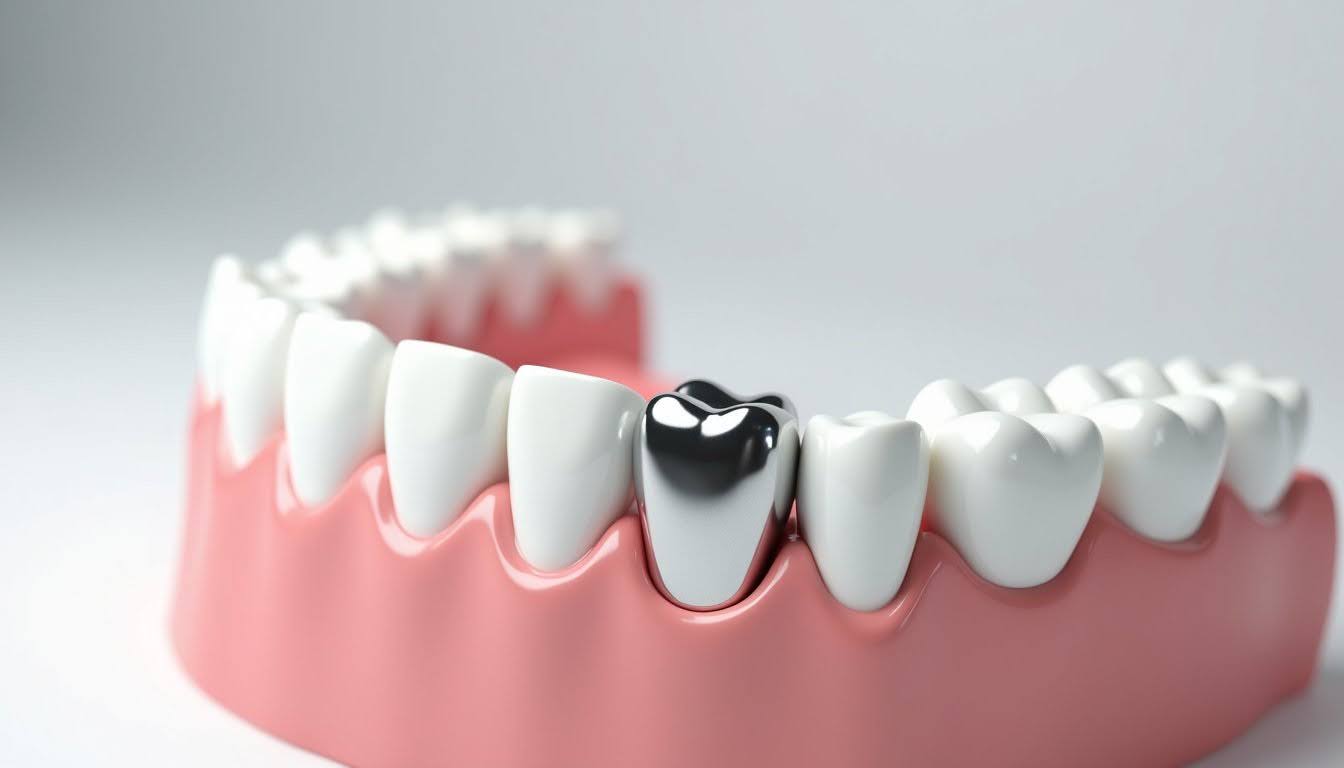

How Long Do Dental Crowns Really Last? We Reviewed 10 Years of Clinical Data
Your dentist says you need a crown. You nod, schedule the appointment, and then wonder: how long will this thing actually last?
It is a fair question. Crowns are not cheap. You want to know what you are getting for your money.
The research has answers. And they are better than most people expect.
The Short Answer
Most dental crowns last between 10 and 15 years. Many last much longer.
A summary review published in the Journal of Prosthetic Dentistry found that 95% of crowns remain functional for at least five years. More than 90% avoid any serious problems in that time frame.
Longer-term data is encouraging too. The same review found that survival rates at 15 to 20 years range from 50% to 80%, depending on the type of crown and how well it is maintained.
Those numbers represent averages. Individual results vary based on the material used, where the crown is placed, and how you care for it.
What the Long-Term Studies Show
Researchers have tracked crowns for decades. The data gives us a clear picture of what to expect.
A landmark 50-year follow-up study published in the Journal of Prosthetic Dentistry tracked 223 restorations placed by a single experienced dentist between 1966 and 1996. The results were remarkable. Metal-ceramic crowns had an estimated mean survival of 47.53 years. Gold crowns, ceramic veneers, and all-ceramic crowns in the study showed 100% survival at 50 years.
These patients had excellent oral hygiene and annual follow-up care. That matters. But the study proves that crowns can last a lifetime under the right conditions.
A 2022 retrospective study published in the Journal of Oral Rehabilitation looked at 1,037 single crowns placed over nearly four decades. The cumulative survival rates were:
- At 5 years: 89.9%
- At 10 years: 80.9%
- At 15 years: 70.5%
- At 20 years: 61.8%
Another study tracking over 2,300 crowns found that 97% remained fully functional at 10 years and 85% maintained optimal performance after 15 years.
The pattern is consistent. Most crowns work well for a decade or more. Many continue working for two decades or longer.
Survival Rates by Material
Not all crowns are created equal. The material affects how long your crown will last.
Gold and Metal Alloy Crowns
Gold crowns have the longest track record. Research shows a 96% survival rate at 10 years. Some gold crowns last 40 years or more.
Gold is strong. It wears at a similar rate to natural tooth enamel, so it does not damage the teeth it bites against. It also requires less tooth removal during preparation.
The downside is appearance. Gold is visible. For back teeth where looks matter less, gold remains an excellent choice.
Porcelain-Fused-to-Metal (PFM) Crowns
PFM crowns combine a metal base with a porcelain coating. They offer both strength and a natural appearance.
Studies show PFM crowns have about a 90% survival rate at 10 years. The 50-year study mentioned earlier found metal-ceramic crowns lasting an average of 47 years.
The most common issue with PFM crowns is chipping of the porcelain layer. The metal underneath remains strong, but the aesthetic surface can crack over time.
All-Ceramic and Porcelain Crowns
All-ceramic crowns look the most natural. They match tooth color well and contain no metal. This makes them popular for front teeth.
However, they are not as durable. Research shows all-ceramic crowns have a 75% to 80% survival rate at 10 years. That is still good, but lower than metal-based options.
Newer ceramic materials like zirconia are changing this picture. Zirconia crowns are much stronger than traditional porcelain. Some studies suggest they can last 15 to 20 years or longer, approaching the durability of metal crowns while looking natural.
Comparing the Options
| Crown Type | 10-Year Survival Rate | Best Used For |
|---|---|---|
| Gold/Metal Alloy | 96% | Back teeth, heavy bites |
| Porcelain-Fused-to-Metal | 90% | Back teeth, balance of strength and looks |
| All-Ceramic (traditional) | 75-80% | Front teeth, aesthetics priority |
| Zirconia | 85-95% (estimated) | Front or back teeth, strength plus aesthetics |
Your dentist will recommend a material based on the tooth location, your bite force, and your priorities.
What Causes Crowns to Fail
Understanding why crowns fail helps you prevent it.
Loss of Retention
The crown comes loose. This was the most common reason for failure in the 2022 retrospective study. It happens when the cement bond breaks down or when there is not enough tooth structure to hold the crown in place.
Tooth Decay
Crowns do not get cavities. But the tooth underneath can. Decay at the margin where the crown meets the tooth is a leading cause of crown failure. Good oral hygiene prevents this.
Fracture
Crowns can crack or chip, especially all-ceramic crowns under heavy bite force. Grinding your teeth at night increases fracture risk significantly.
Root Canal Problems
Teeth with root canals are more brittle than vital teeth. The 2022 study found that non-vital teeth (those with root canals) had significantly higher crown failure rates. The hazard ratio was 1.89 for survival, meaning crowns on root canal teeth fail nearly twice as often.
Gum Disease
Periodontal disease destroys the bone and gum tissue that support teeth. Even a perfect crown fails if the tooth underneath becomes loose.
Risk Factors You Can Control
Some factors that affect crown longevity are within your control.
Bruxism (Teeth Grinding)
Grinding puts enormous stress on crowns. The 2022 retrospective study found bruxism significantly increased the risk of crown failure. If you grind your teeth, a night guard protects both your crowns and natural teeth.
Oral Hygiene
Brush twice a day. Floss daily. Pay special attention to the gum line around your crown. Plaque buildup leads to decay and gum disease, both of which threaten crown survival.
Diet
Avoid chewing ice, hard candy, and other things that can crack crowns. Sticky foods can pull at crown margins. Common sense goes a long way.
Regular Dental Visits
Your dentist can spot problems early. A small chip can be repaired. Early decay can be treated. Waiting until something hurts usually means more damage and higher costs.
Smoking
Smoking increases gum disease risk, which threatens the foundation your crown sits on. Quitting improves outcomes for crowns and overall oral health.
Risk Factors You Cannot Control
Some factors are out of your hands.
Tooth Location
Crowns on molars face more chewing force than crowns on front teeth. Back teeth work harder and may wear faster.
The 2022 study found that anterior (front) placement actually increased failure risk for different reasons, primarily related to the forces involved in biting rather than chewing.
Tooth Vitality
If your tooth needed a root canal, it is already at higher risk. The tooth is weaker. But a crown actually protects root canal teeth from fracture, so the crown is still the right choice.
Age
One study found that increased patient age correlated with higher crown failure rates. Older patients may have more complex dental histories and health factors that affect outcomes.
Dentist Skill
How well the crown is made and placed matters. The 50-year study showed exceptional results from one experienced dentist with careful technique. Skill varies. Choose a dentist you trust.
Making Your Crown Last
You cannot guarantee your crown will last forever. But you can improve the odds.
Keep it clean. Brush around your crown thoroughly. Floss daily, sliding the floss down along both sides of the crown. The area where the crown meets the gum line is most vulnerable to decay.
Protect it at night. If you clench or grind, get a night guard. The cost of a night guard is far less than replacing a cracked crown.
See your dentist regularly. Checkups catch problems early. A loose crown can be recemented. Early decay can be treated. Waiting turns small issues into big ones.
Report problems quickly. If your crown feels loose, looks cracked, or causes pain, call your dentist. Do not wait for your next scheduled visit.
The Bottom Line
Dental crowns are a proven, long-lasting solution for damaged teeth. The research shows that most crowns last 10 to 15 years, and many last far longer with proper care.
Your material choice matters. Gold and metal crowns last longest. PFM crowns balance durability with appearance. All-ceramic crowns look most natural but may not last as long on back teeth. Zirconia is emerging as a strong option for both aesthetics and durability.
Your habits matter too. Good oral hygiene, regular checkups, and protecting against grinding all extend crown life.
A crown is an investment in your tooth. Take care of it, and it will take care of you for years to come.