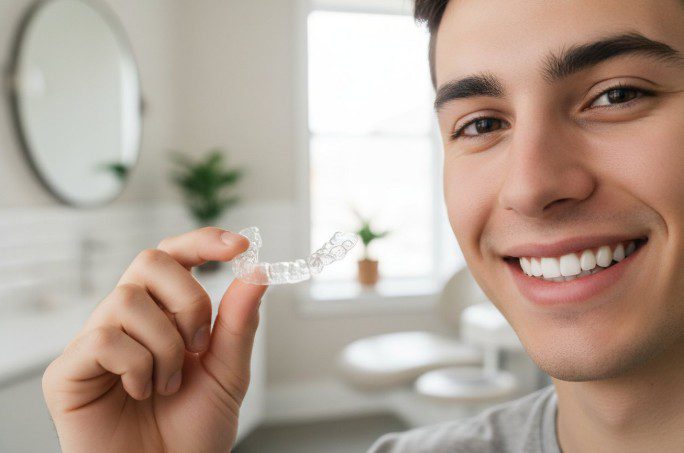

Do I Have to Wear a Retainer Forever After Invisalign?
After completing your Invisalign treatment, you might wonder if you really have to wear a retainer forever. The truth is, retainers play an essential role in maintaining your teeth’s new alignment. While it’s not necessary to wear them every night for life, a long-term commitment is necessary. Understanding the guidelines and recommendations can help you navigate this important aspect of your orthodontic care. So, what should you know about the duration and importance of retainer use?
Importance of Retainers After Invisalign
While you’ve likely invested considerable time and effort into achieving your perfect smile with Invisalign, it is vital to understand the importance of wearing a retainer afterward. Retainers are important to prevent your teeth from shifting back to their original positions. During the biological stabilization process, bone and gum tissues need time to adapt around your newly positioned teeth, which can take 9–12 months. There are two main retainer types: removable clear plastic retainers, which offer flexibility, and fixed retainers, bonded behind your teeth for constant support. Both effectively maintain alignment if worn as directed, ensuring long-term retention of your treatment results. Without a retainer, you risk relapse, leading to alignment issues such as overcrowding or spacing problems.
Recommended Retainer Wearing Duration
To guarantee your teeth remain in their new positions after Invisalign treatment, it’s essential to adhere to the recommended retainer wearing duration. Initially, you should wear your retainer full-time for the first 3 to 6 months, only removing it for eating, drinking (except water), and oral hygiene. This helps stabilize your teeth. After that, you can shift to nighttime wear, which can last from 6 months to several years, depending on your dental stability. You might explore different retainer types, such as removable or fixed retainers, based on your needs. Regular dental check-ups will help monitor your retainer’s fit and effectiveness, ensuring you maintain the correct wearing frequency for best results.
Long-Term Commitment to Retainer Use
A long-term commitment to retainer use is crucial for maintaining the results achieved through Invisalign treatment, especially as natural teeth movement occurs over time. Teeth shift as part of the aging process, which can lead to undesired changes in your smile and facial structure. While you might not need to wear your retainer full-time forever, a lifetime wear plan—initially every night, then gradually reducing to a few nights per week—helps protect your investment. The retainer benefits extend beyond aesthetics, acting as a safeguard against relapse. Consistent wear guarantees your teeth remain stable and aligned, preventing the need for retreatment down the line. Don’t underestimate the importance of this lifelong commitment to your orthodontic success.
Guidelines for Retainer Care and Maintenance
Maintaining your retainer is essential for guaranteeing its longevity and effectiveness in keeping your teeth aligned. Start with daily retainer hygiene by rinsing it with cool or lukewarm water after each use and gently brushing it with a soft toothbrush. Store your retainer in its protective case to prevent damage. Avoid exposing it to heat, as high temperatures can warp the material. For deeper cleaning, use cleaning solutions like vinegar or specialized retainer-cleaning solutions to remove stains and bacteria. Invisalign Cleaning Crystals can also be effective. Remember, never use mouthwash, as it can damage your retainer. Regular check-ups with your orthodontist will help you monitor its condition and promote peak oral health.
Variability in Retainer Protocols Among Professionals
While retainer protocols can vary greatly among dental professionals, understanding these differences is essential for your orthodontic journey. Your orthodontist will conduct an individual assessment to determine the best retainer type and wear schedule based on your unique dental needs and treatment complexity. Orthodontist preference plays a significant role; some may recommend full-time wear initially, while others suggest a quicker shift to nighttime use. Factors such as age, treatment duration, and your lifestyle can further influence these recommendations. Additionally, advancements in retainer technology can lead to varying options, like clear Invisalign retainers or more traditional Hawley retainers. Regular check-ups will guarantee your retainer protocol remains effective as your teeth stabilize over time.
Consequences of Not Wearing Retainers
Neglecting to wear your retainer can lead to a cascade of consequences that affect both your dental health and overall well-being. Within weeks, you may notice your teeth shifting back toward their original positions, causing discomfort and misalignment. This shifting can result in bite issues, TMJ disorders, and even speech difficulties, impacting your ability to chew and speak comfortably. Misaligned teeth also make oral hygiene harder, increasing the risk of tooth decay and gum disease. Over time, these problems could necessitate expensive orthodontic retreatment, undoing the progress you’ve made. Ultimately, you might find your confidence impacted by visible crowding or spacing, leading to further dissatisfaction with your smile. Consistent retainer use is essential to maintaining your hard-earned results.
Frequently Asked Questions
Can I Stop Wearing My Retainer if My Teeth Feel Stable?
You can’t stop wearing your retainer just because your teeth feel stable. Teeth can still shift over time, and retainer longevity is essential for maintaining alignment. Always follow your dentist’s guidance on wear schedules.
What Happens if I Lose My Retainer?
If you lose your retainer, your teeth may shift, leading to potential consequences of losing alignment. Contact your orthodontist for retainer replacement options and consider temporary solutions to minimize movement until you get a new retainer.
How Do I Know if My Retainer Fits Properly?
To guarantee your retainer fits properly, check for snugness, no gaps, and that it covers all biting surfaces. If adjustments are needed, consult your orthodontist for professional evaluation and recommendations to maintain proper fit.
Can I Wear My Retainer While Playing Sports?
You shouldn’t wear your retainer during sports due to safety risks. Instead, use a sports mouthguard for protection. If you remove your retainer, make certain it’s stored safely to avoid damage or loss.
Are There Alternatives to Traditional Retainers?
Yes, there are alternatives to traditional retainers. Consider clear aligners or removable options like Vivera retainers, which offer durability and convenience while maintaining your smile. Each option has unique benefits tailored to your needs.