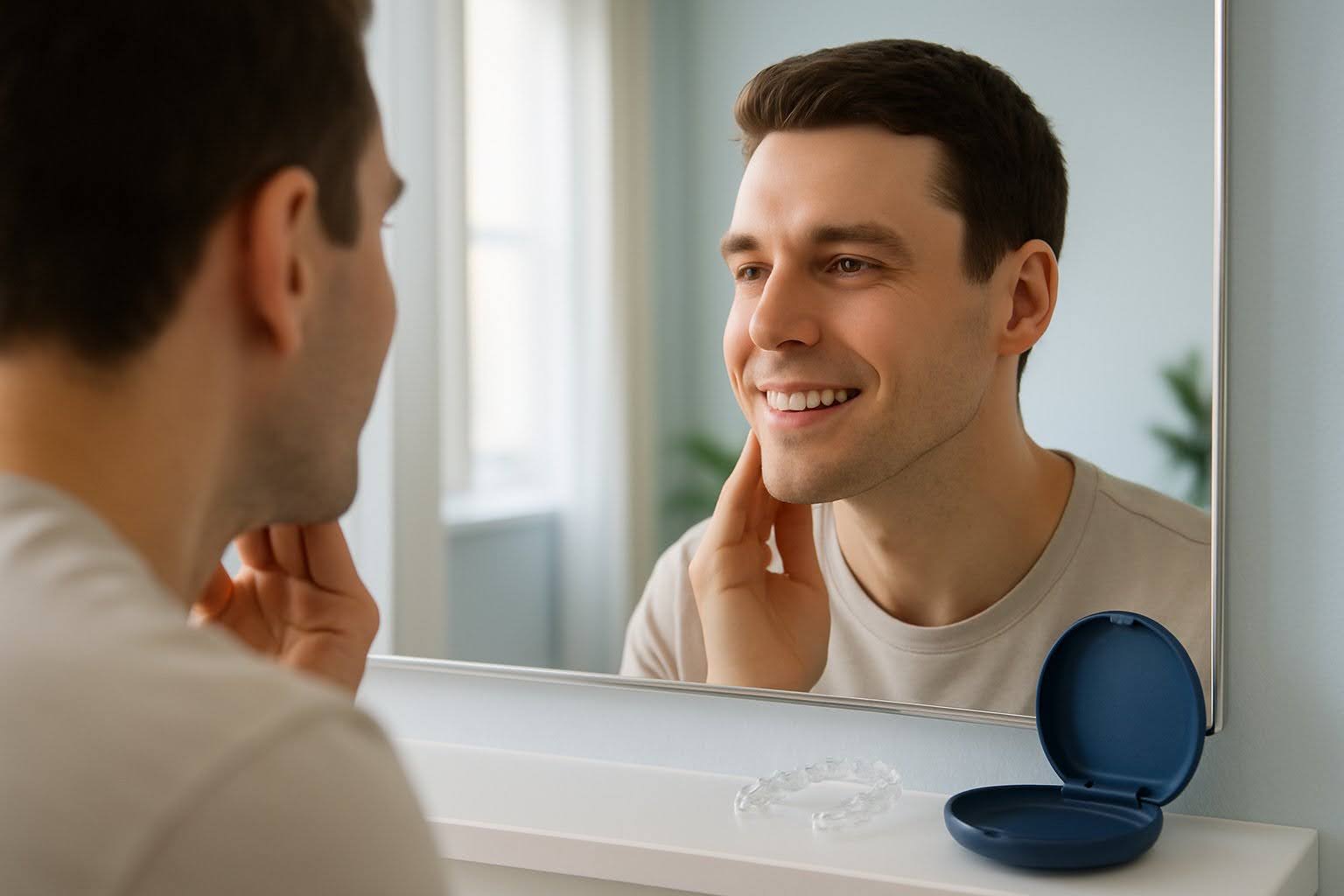

Can Invisalign Change Face Shape?
Invisalign can considerably influence your facial aesthetics, primarily through tooth alignment. As your teeth move into their ideal positions, you may notice changes in the contours of your face. This adjustment can enhance facial symmetry and even define your jawline. But how exactly does this process work, and what specific changes might you expect as treatment progresses? Exploring these aspects reveals the nuanced relationship between dental alignment and facial structure.
General Impact of Invisalign on Facial Aesthetics
When you undergo Invisalign treatment, the impact on your facial aesthetics can be more significant than just achieving straight teeth. The use of clear aligners facilitates soft tissue remodeling, leading to subtle facial rejuvenation. Prolonged wear—around 22 hours a day—can enhance muscle tone and improve occlusal conditions, resulting in a mild anti-aging effect. This mechanical stimulation triggers cellular responses, potentially increasing bone density and influencing facial contours. You may notice an average reduction in soft tissue protrusions, particularly in the lower third of your face, contributing to a more balanced appearance. These changes often stabilize after a few months, emphasizing that the benefits of Invisalign extend beyond dental alignment to include noticeable improvements in facial aesthetics.
How Tooth Alignment Affects Facial Structure
Tooth alignment plays an essential role in shaping facial structure, influencing not just dental aesthetics but also overall facial harmony. When you undergo orthodontic treatment, tooth movement affects the positioning of soft tissue, particularly around the lips and chin. For instance, you may notice changes like inward retraction of your lips and increased chin fullness, enhancing your profile. Additionally, aligning your dental midline can improve facial symmetry, reducing discrepancies that contribute to asymmetrical appearances. Changes in soft tissue volume around the cheeks can also occur, impacting the perceived thickness of your facial contours. By refining these elements through strategic tooth movement, orthodontic treatment can lead to a more balanced and attractive facial structure.
Correcting Overbites and Underbites for Facial Balance
Correcting overbites and underbites is vital for achieving facial balance, as these dental misalignments can greatly impact your overall appearance. Overbite causes often include genetic factors and habits like thumb-sucking, leading to upper teeth overlapping the lower ones. Invisalign offers effective underbite solutions by using clear aligners to gradually shift teeth into proper alignment. The treatment involves customized plans that utilize SmartTrack material and SmartForce attachments for complex movements. While Invisalign can correct mild to moderate cases, it may not be as effective for severe skeletal discrepancies, necessitating hybrid or surgical interventions. For ideal results, consistent wear of the aligners for at least 22 hours a day is vital, ensuring predictable outcomes in your journey towards facial balance.
Enhancing Facial Symmetry With Invisalign
While many may not realize it, dental asymmetry plays a significant role in overall facial symmetry and attractiveness. Invisalign effectively addresses misaligned teeth, promoting smile harmony and enhancing dental aesthetics. By gradually straightening your teeth, these clear aligners help create a balanced appearance, contributing to a more proportionate face. Proper alignment not only improves the visibility of your smile but also supports the positioning of soft tissues around your lips and cheeks, reducing sagging. As your smile broadens, you’ll notice a fuller, more youthful look, which positively influences perceived facial symmetry. Ultimately, Invisalign fosters subtle yet impactful changes that elevate your overall attractiveness through enhanced dental structure and alignment.
Defining the Jawline Through Proper Alignment
When considering the impact of dental alignment on facial aesthetics, it’s essential to recognize how properly aligned teeth can greatly enhance jawline definition. Misaligned teeth can obscure your jawline, while correct positioning promotes jawline enhancement through subtle shifts in the underlying structure. Invisalign effectively addresses overbites and underbites, allowing your lower jaw to reposition and achieve a more sculpted appearance. As your teeth align, facial contouring occurs, with cheeks appearing lifted and recessed chins becoming more prominent. This gradual adjustment fosters natural jaw positioning, reducing tension and contributing to a more aesthetically pleasing jawline. While results vary, consistent wear of your aligners optimizes the potential for a defined, balanced profile that enhances your overall facial symmetry.
Additional Benefits: Gummy Smile Reduction and TMJ Relief
Invisalign offers significant benefits beyond just teeth alignment, particularly in addressing issues like gummy smiles and TMJ disorders. For those struggling with a gummy smile, Invisalign can effectively reduce gum exposure by aligning and slightly intruding the front teeth. This treatment works best for mild to moderate cases and may be combined with procedures like gum contouring or Botox for ideal results. On the TMJ relief front, Invisalign corrects bite issues and repositions the jaw, alleviating strain on the joint. As you undergo treatment, you could experience improvements in symptoms like jaw pain and clicking. Overall, Invisalign’s holistic approach can enhance both your smile aesthetics and jaw function.
Frequently Asked Questions
How Long Does It Take to See Changes in Facial Shape With Invisalign?
You’ll typically notice visible results in your facial shape within 3 to 6 months of treatment duration. However, more significant changes emerge after completing the entire treatment, which can last from 6 months to 2 years.
Can Invisalign Be Used for Adults Seeking Facial Aesthetic Improvements?
Yes, Invisalign can effectively improve facial aesthetics for adults. The benefits include enhanced symmetry, profile balance, and smile fullness, making it a valuable option in adult orthodontics for achieving a more confident appearance.
Are There Any Risks of Negatively Impacting Facial Shape With Invisalign?
Invisalign risks affecting facial shape are minimal when treatment is supervised by qualified orthodontists. Proper planning and monitoring prevent undesirable changes, ensuring your facial aesthetics improve without harmful effects on bone structure or symmetry.
How Does Invisalign Compare to Traditional Braces for Facial Changes?
In braces comparison, Invisalign typically leads to subtle facial aesthetics improvements, enhancing jawline and cheek support. Traditional braces may produce more noticeable changes, especially in severe cases, due to stronger forces and direct tooth movement.
Will My Face Continue to Change After Completing Invisalign Treatment?
Your face can continue to subtly change after completing Invisalign treatment, especially regarding facial symmetry and aesthetic enhancements. Wearing retainers consistently is essential to maintain these improvements and prevent regression in alignment.