
Will Insurance Pay for Invisalign?
When considering Invisalign, you might wonder if your insurance will cover some of the costs. Many plans offer partial coverage, typically ranging from 25% to 50%. However, the specifics can vary greatly based on your policy. Understanding the nuances of your coverage is essential. Let’s explore how to navigate these complexities and maximize your benefits.
Which Teeth Are Hardest to Move With Invisalign?
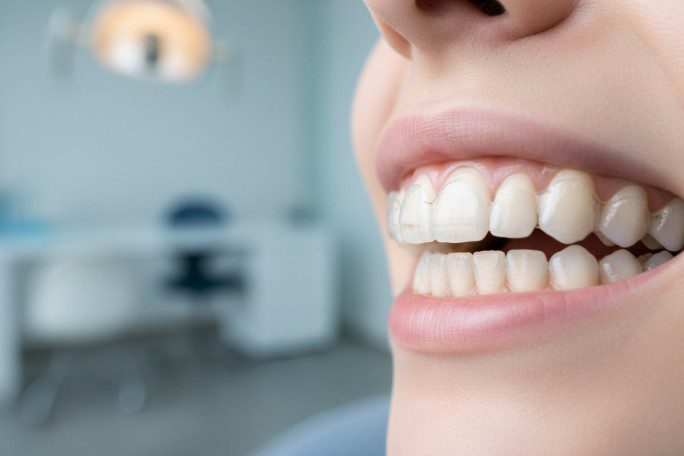
When considering Invisalign treatment, it's essential to understand the challenges associated with moving certain teeth. Molars and canines often present significant resistance due to their unique root structures. Their movement can be unpredictable and complex, especially in cases requiring rotation or distalization. As we explore the factors that contribute to these difficulties, you'll discover how individual tooth anatomy plays a pivotal role in treatment outcomes.
What Will Disqualify You From Invisalign?
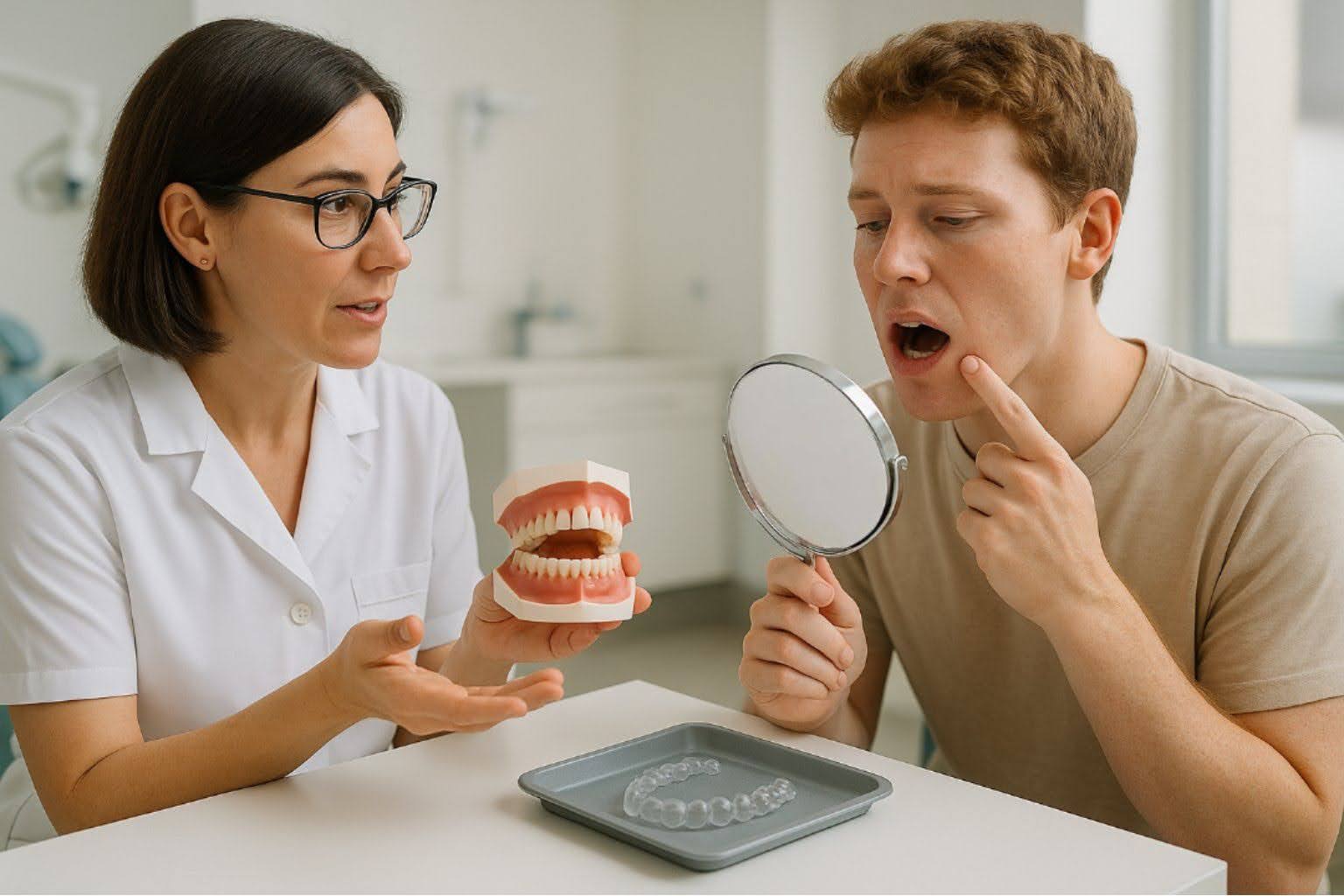
Considering Invisalign for your orthodontic needs? It's important to understand that not everyone qualifies for this treatment. Certain dental health issues can disqualify you, impacting your eligibility and treatment outcomes. Factors like gum disease, cavities, and severe misalignment play a significant role. Before you make any decisions, it's vital to evaluate these aspects with your dental professional to guarantee you're on the right path. What specific conditions could affect your treatment?
What Is the Last Stage of Invisalign?
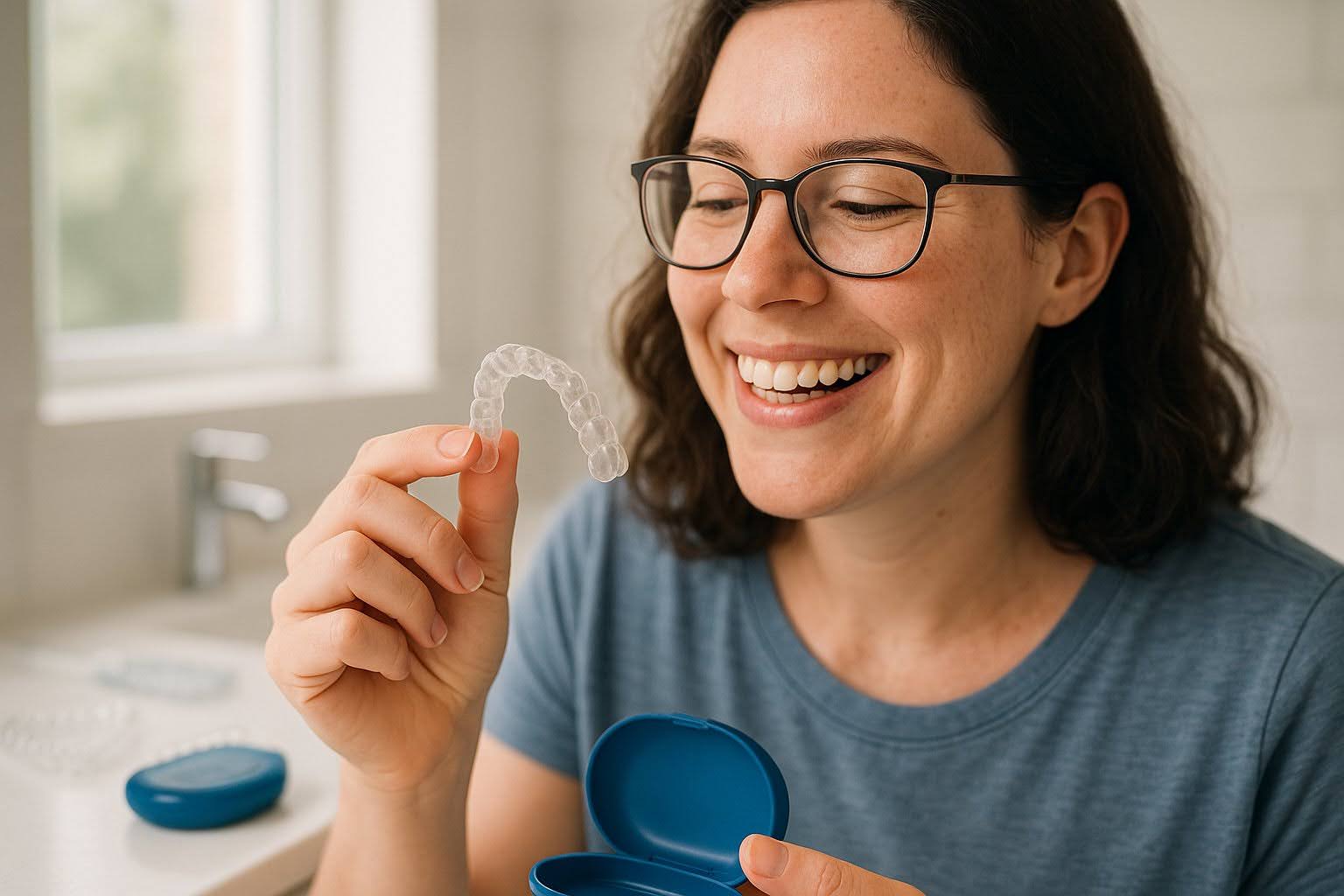
In the last stage of Invisalign, you’ll focus on wearing final aligners that fine-tune your smile after the primary aligner series. Consistent use of these aligners for 20 to 22 hours daily is essential for achieving the desired results. A dental evaluation follows to assess alignment, and refinement trays might be introduced if necessary. Understanding the importance of this phase is vital, especially as it leads into the retention period. What comes next?
What Is the Biggest Complaint About Invisalign?
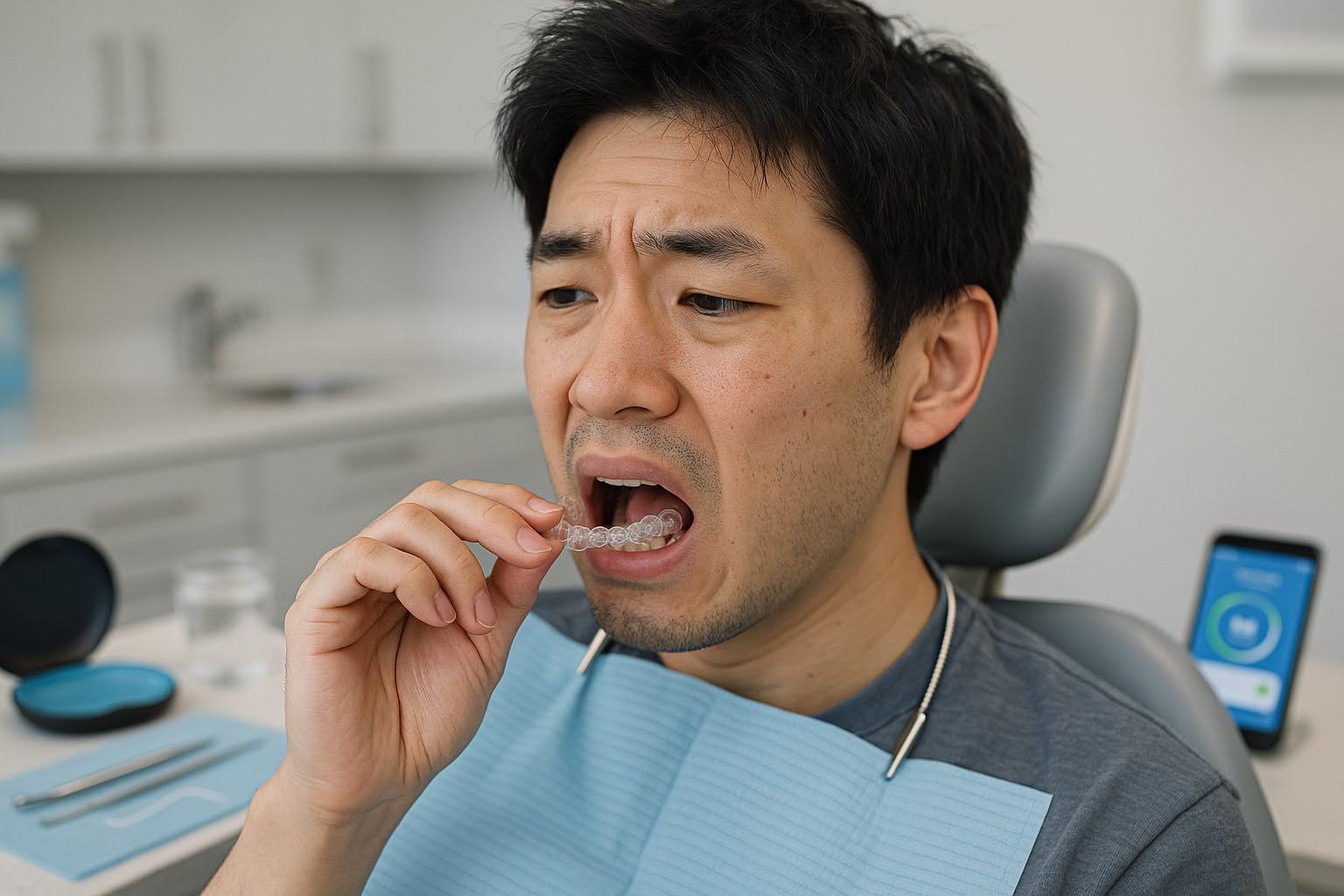
When considering Invisalign, many users encounter a common issue: discomfort. As you move to new aligners, you might feel pain levels ranging from 4 to 6 out of 10, especially on the first day. This discomfort can overshadow the benefits. Additionally, the requirement to wear aligners for 20 to 22 hours daily complicates compliance. But discomfort isn’t the only challenge. What else might affect your experience with Invisalign?

What Is the 30 Minute Rule for Invisalign?
If you’re using Invisalign, understanding the 30-Minute Rule is essential for your treatment's success. This guideline specifies that aligners should only be removed for a maximum of 30 minutes at a time for eating, drinking, or cleaning. Adhering to this rule not only guarantees effective tooth movement but also protects your enamel. Curious about how this simple guideline can impact your overall treatment? Let's explore the details further.

What Is the 22 Hour Rule for Invisalign?
The 22-Hour Rule for Invisalign is vital for your treatment success. It requires you to wear your aligners for at least 22 hours each day. This consistent wear guarantees effective tooth movement and minimizes the chances of regression. Understanding the implications of this rule can greatly impact your results. So, what happens if you don’t stick to it? Let’s explore the potential consequences and the best practices for compliance.

What Happens if I Only Wear My Invisalign 12 Hours a Day?
If you wear your Invisalign aligners for only 12 hours a day, you might face significant setbacks in your treatment. Inconsistent wear can disrupt the pressure needed for effective teeth movement, leading to discomfort and misalignment. This reduced adherence might not only prolong your treatment but could also necessitate additional adjustments. Understanding the full implications of this habit is vital for your orthodontic journey. Let’s explore the potential consequences further.
What Cannot Be Fixed by Invisalign?
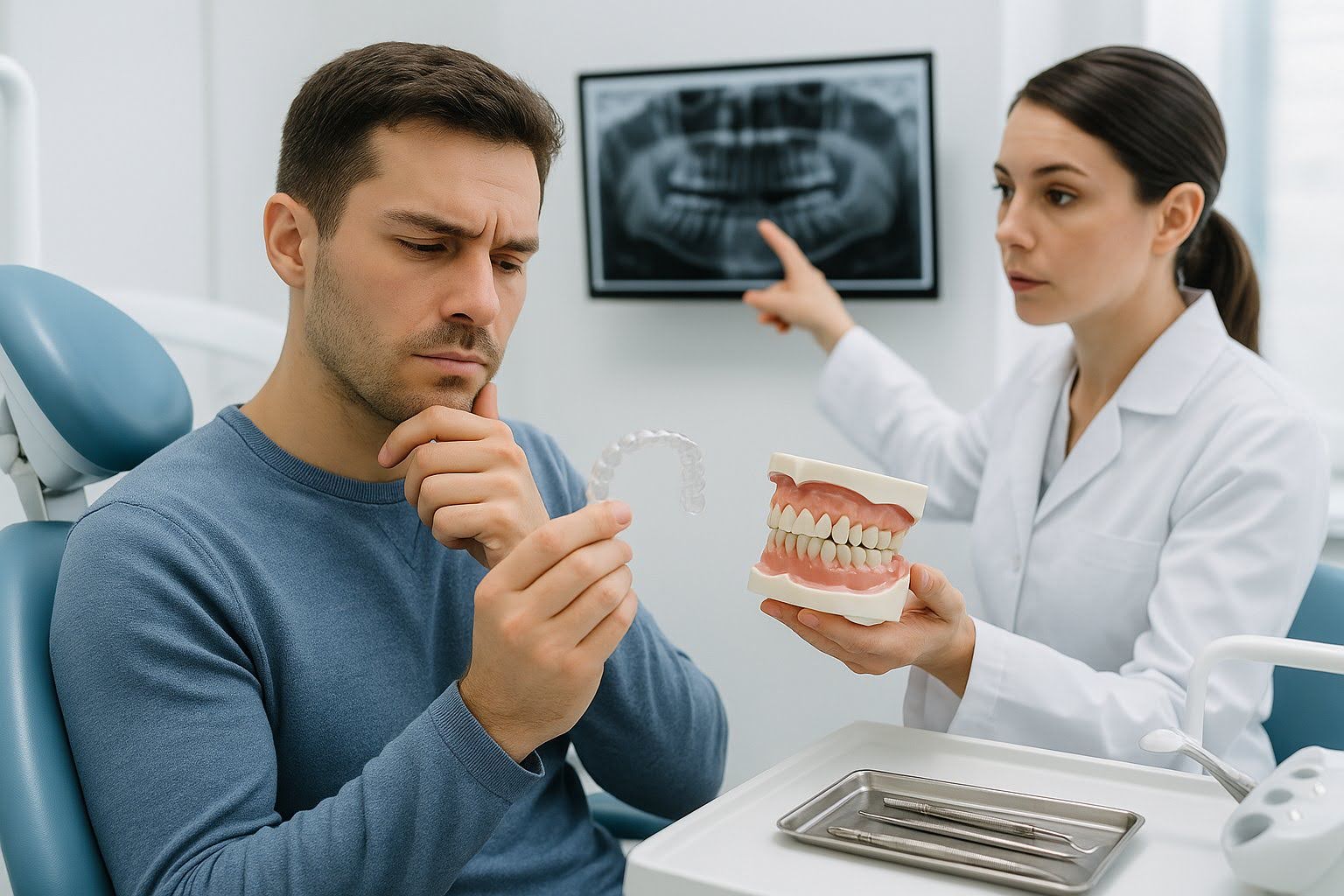
When considering Invisalign, it's essential to understand its limitations. While it can effectively straighten teeth, it struggles with severe crowding, complex movements, and impacted teeth. Issues like significant jaw misalignments or dental bridges can further complicate treatment. Additionally, any active dental problems must be addressed first. So, what are the specific conditions that might necessitate alternatives to Invisalign? Let’s explore these challenges further.
Is There a Negative Side to Invisalign?
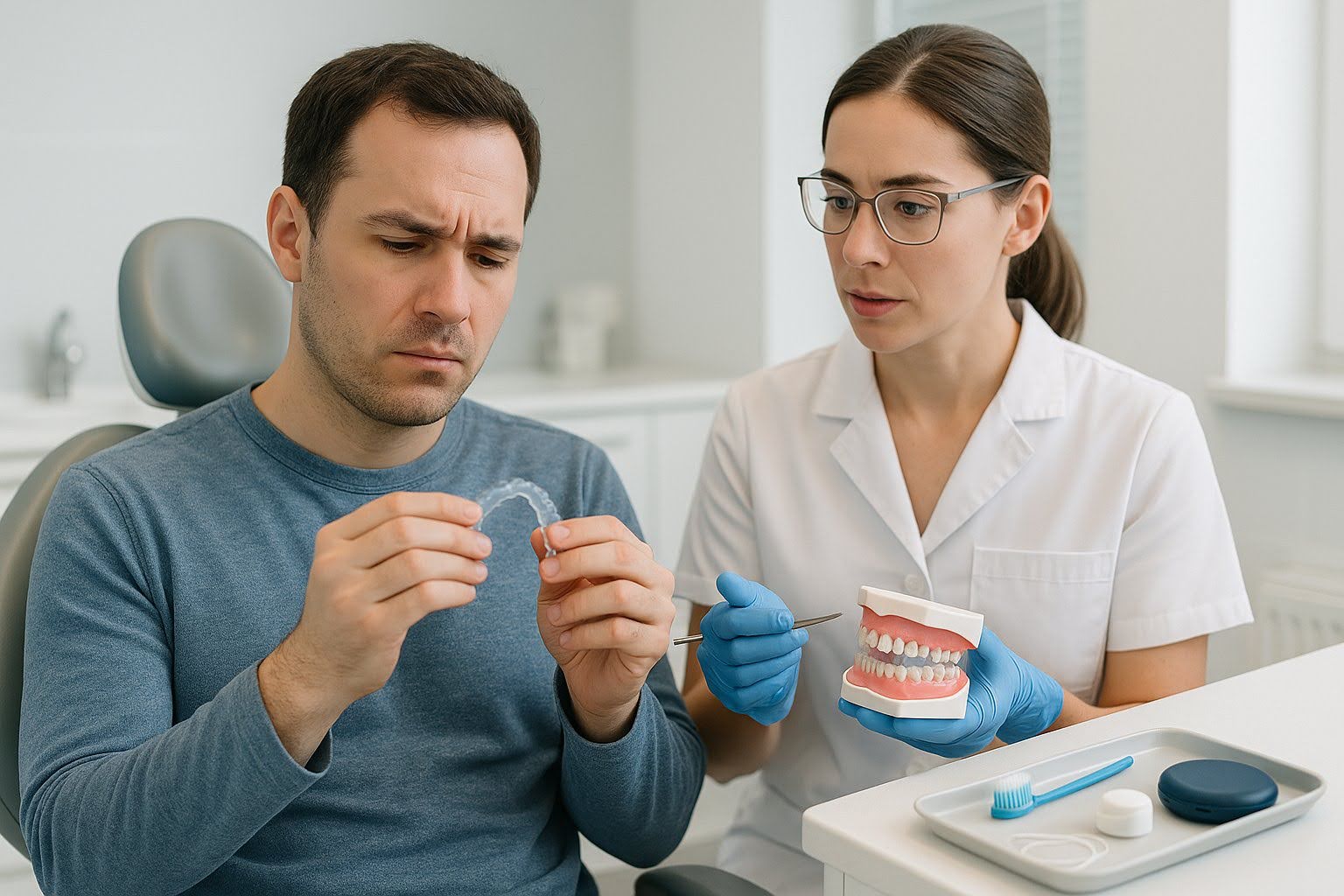
When considering Invisalign, it's important to weigh both its benefits and potential downsides. While it offers a discreet way to straighten teeth, you might encounter discomfort and pain, especially after changing aligners. Additionally, improper fitting can lead to dental issues, and maintaining oral hygiene becomes essential. Understanding these factors can help you make an informed decision about whether Invisalign is the right choice for you. What other challenges might you face during your treatment?
Is Invisalign Faster Than Braces?
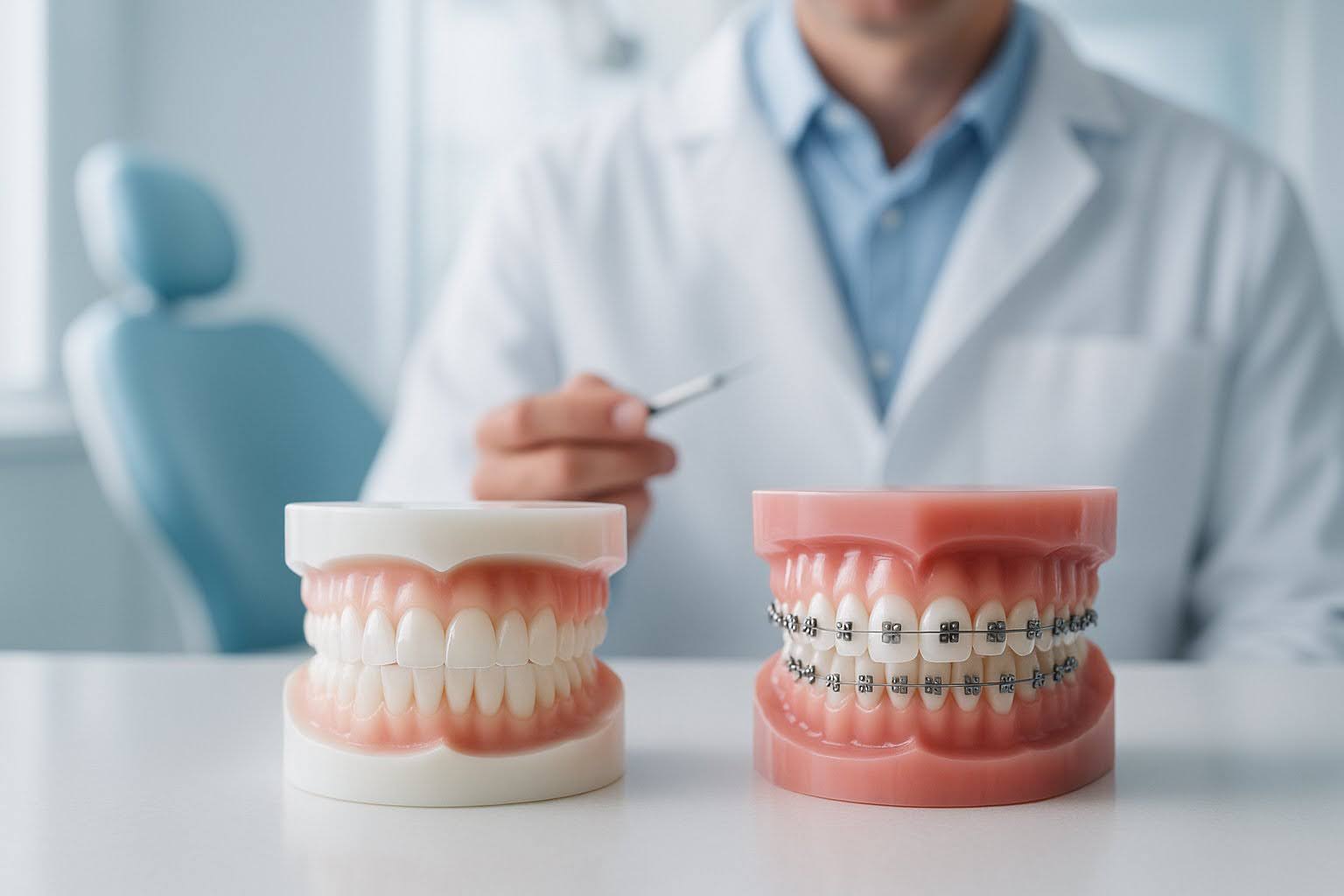
When considering orthodontic options, many patients wonder if Invisalign is faster than traditional braces. Generally, Invisalign treatments range from 12 to 18 months, while braces can take 18 to 36 months. However, treatment duration often hinges on individual case complexity and patient adherence to the prescribed regimen. Understanding these nuances is vital to making an informed choice about your orthodontic journey. What factors might influence your treatment timeline?
Do I Have to Wear a Retainer Forever After Invisalign?
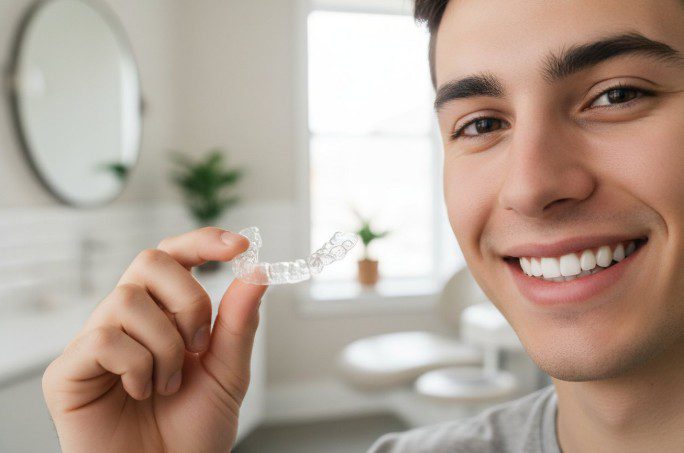
After completing your Invisalign treatment, you might wonder if you really have to wear a retainer forever. The truth is, retainers play an essential role in maintaining your teeth's new alignment. While it's not necessary to wear them every night for life, a long-term commitment is necessary. Understanding the guidelines and recommendations can help you navigate this important aspect of your orthodontic care. So, what should you know about the duration and importance of retainer use?