
What Is the Biggest Complaint About Invisalign?
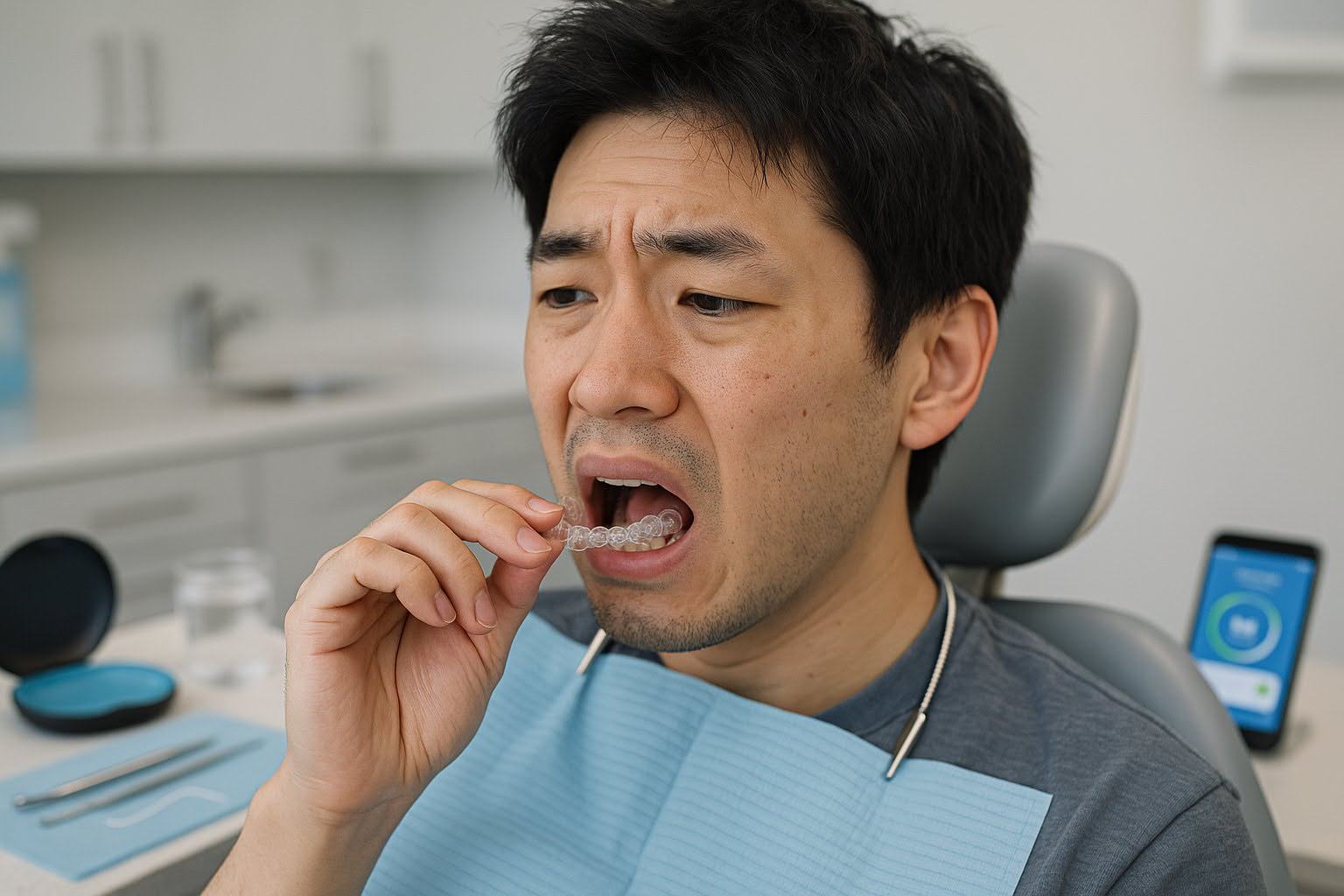
When considering Invisalign, many users encounter a common issue: discomfort. As you move to new aligners, you might feel pain levels ranging from 4 to 6 out of 10, especially on the first day. This discomfort can overshadow the benefits. Additionally, the requirement to wear aligners for 20 to 22 hours daily complicates compliance. But discomfort isn’t the only challenge. What else might affect your experience with Invisalign?
Required Wear Time Challenges
Although Invisalign offers a discreet and effective teeth straightening option, one of its biggest hurdles is the required wear time of 20–22 hours each day. Many patients face compliance barriers due to the discipline needed to adhere to this schedule. To enhance your commitment, consider implementing motivation strategies like using tracking apps such as “Tray Minder” to monitor your wear time. Setting phone reminders and conducting regular check-ins with your orthodontist can also reinforce accountability. Additionally, optimizing your daily routine by designating specific meal times and limiting snacks can minimize unnecessary aligner removal. By proactively addressing these challenges, you can maintain consistent wear and achieve the desired results more effectively.
Eating and Drinking Disruptions
Adhering to the required wear time for Invisalign can be challenging, but the impact of eating and drinking habits adds another layer of complexity to treatment. You’ll need to remove your aligners for all meals and snacks, which can disrupt your routine, especially if you enjoy frequent snacking or sipping beverages. Proper snack management becomes important, as meal timing must be more structured to accommodate aligner removal. While some users adapt to fewer, scheduled meals, others may experience unintended weight loss due to reduced snacking. Furthermore, maintaining good oral hygiene is crucial, as food particles trapped between aligners can lead to dental issues. Ultimately, these adjustments can be cumbersome but are essential for treatment success.
Discomfort and Pain Levels
Many users report experiencing discomfort when starting a new set of Invisalign aligners, particularly within the first 24 to 48 hours. This mild pressure or tightness often peaks around 24 hours, usually rating 4–6 out of 10 on a pain scale before subsiding within a week. While 54% of users experience temporary discomfort, 35% report none at all. Pain perception variations can influence individual experiences, with some feeling isolated tooth sensitivity or occasional jaw soreness. To effectively manage discomfort, consider strategies like over-the-counter pain relief and consistent aligner wear. Skipping hours of wear may prolong discomfort, while proper maintenance can mitigate issues from tray deformation. Overall, most find discomfort diminishes as treatment progresses.
Issues With Attachments and Material
When undergoing Invisalign treatment, you might encounter issues related to attachments and the materials used. The durability of these attachments can vary markedly, with flowable composites showing a higher damage rate compared to pre-coated composites. Many attachments may detach within the first four months, causing inconvenience and potentially impacting your treatment progress. Aesthetic concerns arise as these attachments, while smaller than traditional braces, can still be noticeable and affect your comfort. Rough edges or damaged attachments may irritate your oral tissues, and some users report speech impediments during the initial phase. Overall, while attachment use is generally safe, careful handling and material selection are essential to minimize risks and enhance your treatment experience.
Treatment Predictability Concerns
While dealing with attachments and materials in Invisalign, you might also have concerns about treatment predictability. Treatment predictability refers to how well actual outcomes align with your planned outcomes, which is essential for setting realistic expectations. Discrepancies can arise, particularly with angular movements often exceeding 2°, impacting the overall satisfaction of your treatment. Factors such as patient selection and meticulous treatment planning are important in enhancing predictability. For instance, cases with severe spacing may require more refinements. Additionally, orthodontist expertise greatly influences the success of your treatment. To better understand these dynamics, ongoing research is necessary, particularly in addressing the technological limitations that affect model accuracy and overall treatment effectiveness.
Maintenance and Hygiene Discipline
Maintaining proper hygiene and discipline with Invisalign is essential for achieving ideal results and ensuring a smooth treatment experience. You’ll need to practice diligent aligner cleaning, brushing and rinsing the aligners after meals to prevent staining and maintain clarity. While it may be challenging to remove aligners initially, using specialized tools can ease this process. You should also be mindful of your food choices; avoiding beverages like coffee and tea can help keep your aligners discreet. Regular oral hygiene practices, including brushing your teeth after meals, are vital. Ultimately, sticking to these hygiene practices not only supports treatment efficacy but also enhances your overall oral health throughout the Invisalign journey.
Social Life and Lifestyle Restrictions
Maneuvering social life with Invisalign can present unique challenges that require careful consideration of both lifestyle and interpersonal dynamics. You’ll need to remove your aligners for eating and drinking, which limits spontaneity during meals and may provoke social anxiety in public settings. Constantly taking out and cleaning your trays can disrupt conversations, making you feel self-conscious, especially when peer comparison arises with those who don’t wear braces. Events involving food can become complicated, leading to potential embarrassment or the need to decline invitations. Additionally, initial speech changes may heighten feelings of self-doubt. Balancing adherence to treatment with social rituals demands thoughtful planning, as some experiences may feel less enjoyable under these restrictions.
Overall Patient Satisfaction and Feedback
Maneuvering social situations with Invisalign can be challenging, but many patients find that the overall satisfaction with their treatment far outweighs these temporary inconveniences. Approximately 96% of Invisalign users report high satisfaction levels, largely due to improvements in appearance and eating ability. Patient feedback indicates that the quality of the doctor-patient relationship, marked by clear communication and respect, greatly enhances satisfaction outcomes. While some patients experience discomfort or food packing issues, these complaints do not overshadow the overall positive responses in satisfaction assessments. The convenience of fewer office visits and the aesthetic benefits of clear aligners further contribute to a favorable treatment experience, leading to increased self-confidence and improved oral health-related quality of life post-treatment. We talk through the parts people find annoying before you start Invisalign in Bucktown, Chicago.
Frequently Asked Questions
Can I Switch to a New Aligner Early for Quicker Results?
You shouldn’t switch to a new aligner early, as it disrupts your treatment timeline. Early switching can lead to discomfort, ineffective movement, and ultimately prolong your overall treatment due to misalignment that requires correction.
How Do I Clean My Aligners Effectively?
To clean your aligners effectively, use gentle cleaning solutions like mild antibacterial soap or aligner cleaning tablets. Brush them softly after every meal, and soak them daily to guarantee proper aligner maintenance and hygiene.
What Happens if I Lose an Aligner?
If you lose an aligner, you’ll need an aligner replacement to avoid aligner consequences like teeth shifting or extended treatment time. Contact your orthodontist promptly to discuss options and guarantee your progress stays on track.
Are Aligners Suitable for All Orthodontic Problems?
Aligners aren’t suitable for all orthodontic problems. Invisalign limitations include challenges with severe rotations, significant overcrowding, and complex bite issues. Treatment suitability varies; consult your orthodontist to determine the best approach for your specific needs.
How Often Should I Visit My Orthodontist During Treatment?
You should visit your orthodontist for checkups every 6 to 8 weeks during your Invisalign treatment. These appointments guarantee your progress stays on track and allow for adjustments in treatment frequency if necessary.