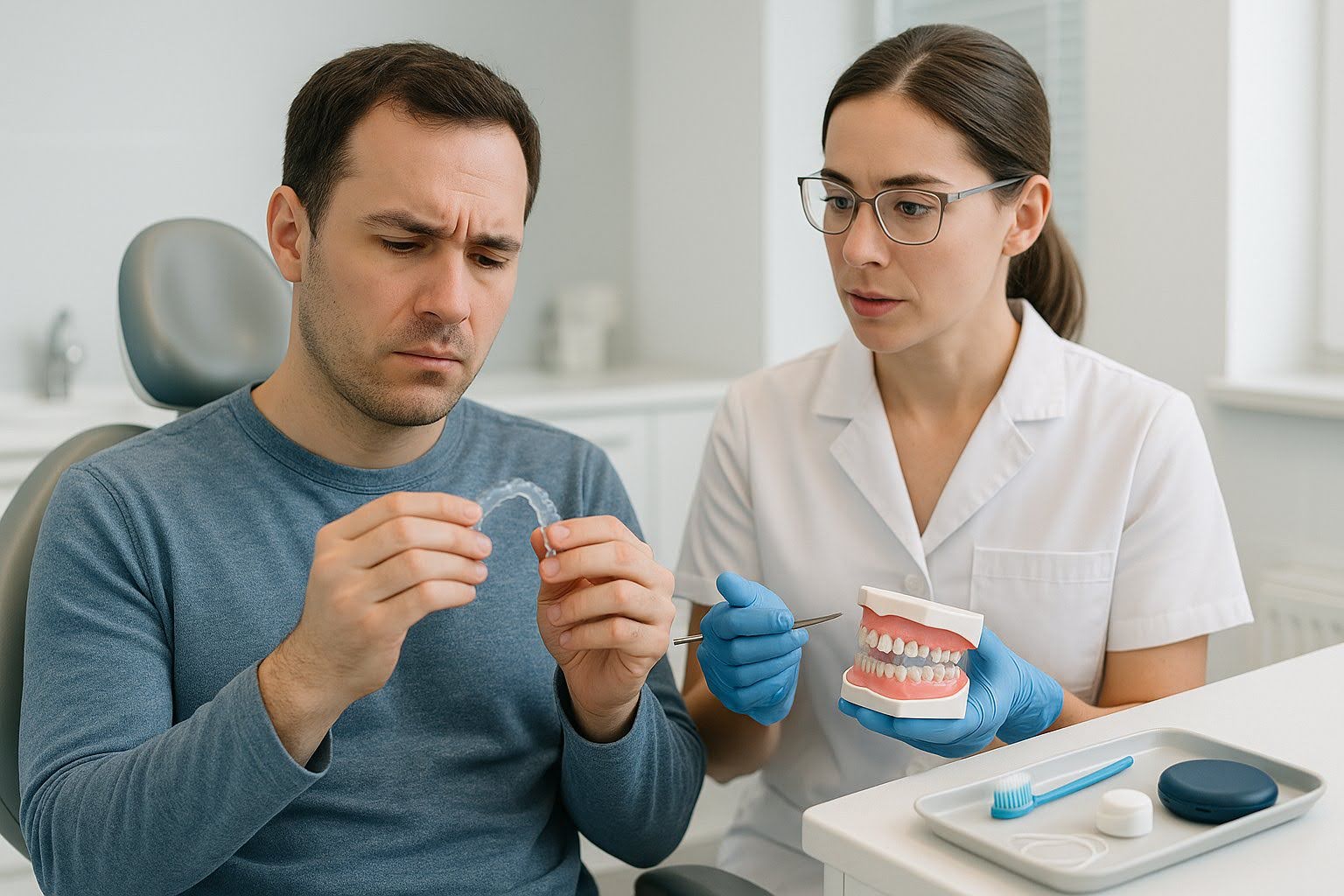

Is There a Negative Side to Invisalign?
When considering Invisalign, it’s important to weigh both its benefits and potential downsides. While it offers a discreet way to straighten teeth, you might encounter discomfort and pain, especially after changing aligners. Additionally, improper fitting can lead to dental issues, and maintaining oral hygiene becomes essential. Understanding these factors can help you make an informed decision about whether Invisalign is the right choice for you. What other challenges might you face during your treatment?
Discomfort and Pain Associated With Invisalign
While using Invisalign, you may experience some discomfort and pain, particularly during the initial week. This initial discomfort is typically mild but can peak within the first 24-48 hours after starting treatment or changing aligners. About 54% of users report mild pain, which usually diminishes as you adapt. Pain management strategies include using over-the-counter analgesics, especially in the first two days when discomfort is most intense. Most patients adapt within a week, with pain dropping considerably after that. If you encounter persistent or worsening pain beyond this period, consult your orthodontist. Remember, proper aligner wear and addressing fit issues can further reduce discomfort and support a smoother adjustment process.
Potential Dental Health Concerns
As you commence your Invisalign journey, it is vital to be aware of potential dental health concerns that may arise during treatment. You might experience tooth sensitivity due to enamel exposure or the pressure from aligners. While this is typically temporary, it’s important to monitor any changes. Improper fitting or excessive force can lead to enamel wear, fractures, or even root resorption, potentially necessitating further dental intervention. Additionally, the enclosed environment of the aligners may trap bacteria, increasing the risk of cavities if oral hygiene isn’t rigorous. Gum irritation can also occur, leading to inflammation or soreness, especially if aligners create friction against your gums. Regular check-ups and diligent oral care are essential to mitigate these risks.
Lifestyle Adjustments Required
Adapting to Invisalign treatment requires significant lifestyle adjustments to guarantee effective outcomes. You’ll need to commit to wearing your aligners for 20-22 hours daily, which demands careful scheduling and discipline. This means removing your aligners for eating or drinking anything other than water, impacting your social interactions and requiring dietary changes. You’ll find it essential to brush and floss after every meal before reinserting your aligners to maintain oral hygiene. Carrying travel-sized oral care products becomes necessary for on-the-go hygiene. Additionally, you may need to plan social events around aligner removal to avoid inconvenience. While these adjustments can feel restrictive initially, many patients eventually integrate them into their daily lives for a smoother experience.
Psychological and Emotional Factors
The psychological and emotional factors associated with Invisalign treatment play an essential role in a patient’s overall experience and satisfaction. Many patients report significant boosts in self-esteem impacts as their smiles improve, leading to increased confidence in social and professional settings. The discreet design of Invisalign helps alleviate social anxiety, reducing the likelihood of embarrassment compared to traditional braces. Studies indicate that anxiety levels are significantly lower in Invisalign users, particularly as they adapt to treatment. Additionally, the ability to remove aligners for special occasions offers a sense of control, further minimizing social withdrawal. Overall, while initial adjustments may induce mild anxiety, most patients experience enhanced self-image and improved oral health-related quality of life throughout and after treatment.
Economic and Practical Considerations
Improving your smile with Invisalign can be a rewarding journey, but it’s important to reflect on the economic and practical aspects of treatment. The cost implications can be significant, ranging from $3,000 to $9,000, depending on your case complexity and treatment duration. Insurance coverage is often limited, necessitating payment plans that aren’t always interest-free. Compliance challenges also arise, as aligners must be worn 20-22 hours daily; non-compliance may prolong your treatment and increase costs. Additionally, the removable nature of aligners demands careful management during meals, posing risks of loss or damage. These factors make it essential to assess whether Invisalign aligns with your lifestyle, budget, and commitment to achieving ideal results.
Nonsurgical and Surgical Interventions
While many patients seek Invisalign as a nonsurgical option for teeth alignment, some cases may require surgical interventions to achieve ideal results. Severe misalignment or jaw joint problems can contraindicate Invisalign, necessitating corrective jaw surgery. This type of surgery carries risks such as postoperative swelling, bruising, and potential nerve-related numbness. Additionally, noncompliance issues can exacerbate treatment inadequacies, leading to prolonged use of aligners or complications. If you don’t follow your dentist’s instructions or wear aligners as directed, the risk of inadequate outcomes increases. Combining Invisalign with surgical procedures may sometimes be essential for complex malocclusions, but it’s vital to weigh the benefits against potential risks and longer recovery times associated with surgical interventions.
Comparing Invisalign With Traditional Braces
When considering orthodontic treatment options, many patients find themselves weighing the benefits of Invisalign against traditional braces. The effectiveness comparison shows that while Invisalign excels at treating mild to moderate malocclusions, traditional braces can tackle severe misalignments and complex cases more effectively. Regarding treatment duration, Invisalign typically ranges from 12 to 18 months, while braces may take 18 to 24 months; however, results can vary depending on individual cases. Noncompliance with Invisalign can prolong treatment, as it requires wearing trays for 20–22 hours daily. In contrast, braces provide constant force without the need for patient participation. Ultimately, your specific dental needs and lifestyle preferences will guide your choice between these two options.
Frequently Asked Questions
Can I Drink Beverages While Wearing Invisalign Aligners?
You can’t drink beverages while wearing Invisalign aligners. Only plain water is safe; other beverage types can compromise aligner comfort, cause staining, and increase the risk of enamel damage and bacterial growth.
How Often Should I Clean My Invisalign Aligners?
You should clean your Invisalign aligners twice daily, using effective cleaning techniques like gentle brushing and soaking. Consistent aligner maintenance prevents plaque buildup, ensuring oral health and keeping your aligners clear and aesthetically pleasing.
What Happens if I Lose an Aligner?
If you lose an aligner, contact your orthodontist for guidance on aligner replacement. Track your aligners diligently, and consider temporarily using the previous aligner until the replacement is received to maintain treatment continuity.
Can I Chew Gum With Invisalign In?
You shouldn’t chew gum with Invisalign in. Gum chewing can compromise oral hygiene, leading to bacterial buildup and decay. Always remove aligners before chewing gum to maintain effectiveness and prevent damage to your aligners.
Are There Food Restrictions While Using Invisalign?
Yes, there are food restrictions while using Invisalign. You’ll need to plan meals and snack choices carefully, avoiding hard, sticky, or pigmented foods that could damage aligners or affect your treatment progress and oral hygiene.