
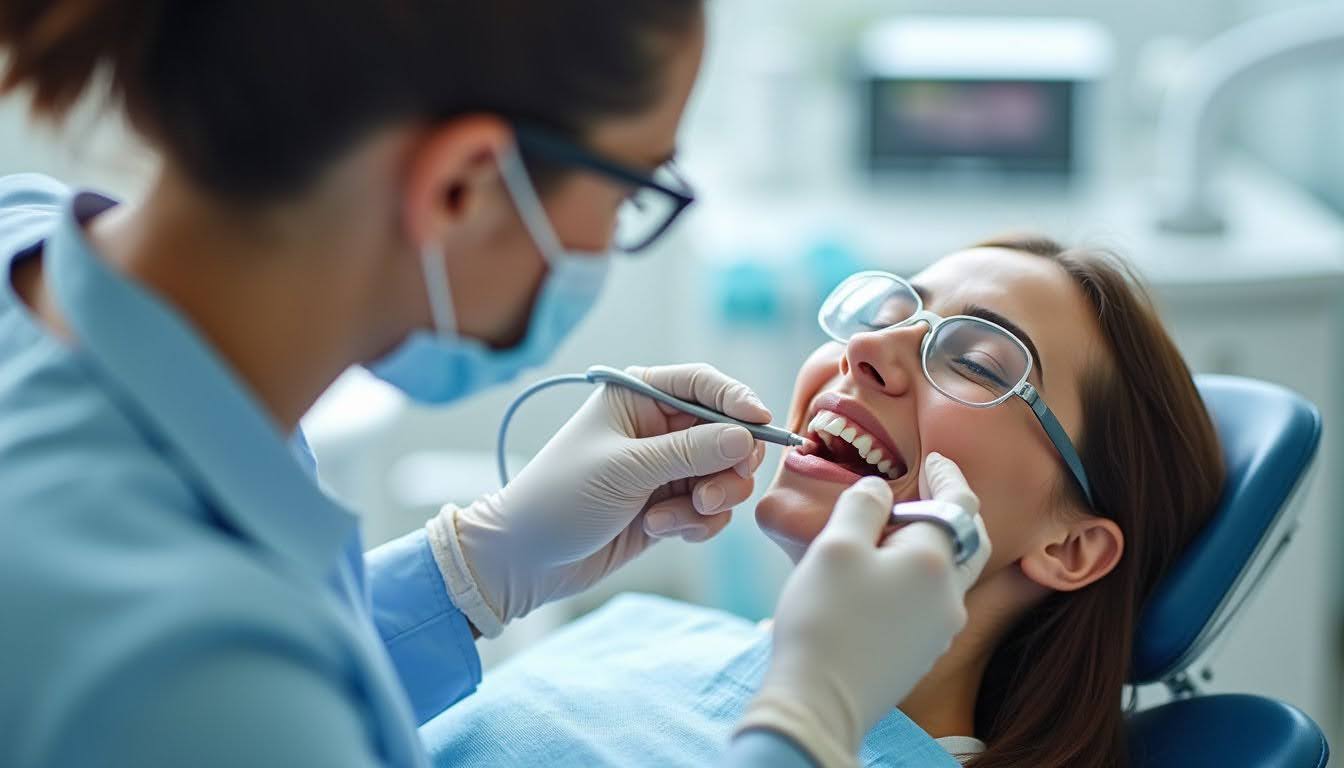

Can a General Dentist Clean Teeth?
When it comes to dental health, you might wonder if a general dentist can clean your teeth. The answer is yes, as they perform routine cleanings to maintain your oral hygiene. These cleanings involve more than just a quick polish; they play an essential role in preventing dental issues. Understanding what dental cleaning entails and how it benefits you can help you appreciate the importance of regular visits. What happens during these appointments, and how do they impact your overall health?
Understanding Dental Cleanings
Understanding dental cleanings is fundamental for maintaining your oral health. During a dental cleaning, your hygienist begins with a thorough oral examination to assess your teeth, gums, and overall mouth condition. They’ll check for inflammation, decay, and signs of gum disease, guiding the cleaning process based on their findings. Following the examination, they’ll remove plaque and tartar using manual or ultrasonic scalers, which is essential for effective dental hygiene. Polishing follows smooth tooth surfaces, making it harder for plaque to reattach. Finally, professional flossing targets tight spaces to eliminate remaining debris, important for preventing gingivitis. These steps in preventive care help identify issues early and enhance your oral health, ensuring a brighter, healthier smile.
The Role of a General Dentist
While many people often associate dental care primarily with cleanings, a general dentist plays an essential role in a wide range of services that extend far beyond this task. With thorough qualifications, general dentists provide routine exams to assess oral health, perform oral cancer screenings, and diagnose conditions like cavities and gum disease. They emphasize patient education, teaching proper hygiene techniques and preventive care such as fluoride treatments. Utilizing diagnostic tools like X-rays, they develop individualized treatment plans and coordinate care with specialists when needed. Additionally, general dentists conduct restorative procedures, including fillings, crowns, and extractions. Their expertise guarantees that you receive holistic dental care tailored to your unique needs, promoting both oral health and overall well-being.
Types of Dental Cleanings
General dentists provide a variety of cleaning options tailored to your specific oral health needs. The most common type is prophylaxis cleaning, which removes plaque and tartar above the gum line, focusing on preventive care and maintaining oral hygiene. For those with gum disease, scaling and root planing targets both tooth surfaces and gum pockets, often requiring multiple appointments. Periodontal maintenance cleanings follow a similar process and are essential for managing ongoing gum issues, typically performed every 3-4 months. In cases of significant plaque buildup, gross debridement cleaning prepares your teeth for further treatment. Your dentist will determine the appropriate cleaning type based on your oral health status, ensuring you receive the best care possible.
The Cleaning Procedure Explained
When you visit a general dentist for a cleaning, the procedure is systematically designed to enhance your oral health. It begins with an oral examination, where the dentist checks for decay and gum issues, establishing a baseline for your specific needs. Next, plaque and tartar are removed using a scaler or ultrasonic device, targeting areas often missed during daily brushing. Teeth polishing follows, using a gritty paste to smooth surfaces and minimize future plaque buildup. Professional flossing guarantees that interdental spaces are clean, revealing any hidden issues. Finally, a fluoride treatment may be applied based on individual risk factors. Throughout the process, patient comfort remains a priority, and instructions on cleaning frequency will be provided to maintain peak oral hygiene.
Tools and Techniques Used
A variety of specialized tools and techniques are employed during your dental cleaning to guarantee ideal oral health. Dental mirrors enhance visibility, allowing your dentist to inspect hard-to-see areas and detect plaque or cavities. Scaling instruments, including hand-held scalers and curettes, are essential for scraping away plaque and tartar with precision. Ultrasonic scalers use high-frequency vibrations combined with water spray to efficiently remove buildup, saving time and enhancing results. After scaling, polishing equipment, such as powered polishers with abrasive paste, smooths tooth surfaces and removes stains. Finally, suction tools like saliva ejectors and high-volume evacuators keep your mouth clear of debris, ensuring comfort and safety throughout the procedure. Together, these tools create a thorough cleaning experience.
Benefits of Regular Dental Cleanings
Regular dental cleanings offer a range of significant benefits that go beyond just maintaining a bright smile. These cleanings play an essential role in preventing gum disease by removing plaque and tartar, which are the main contributors to gingivitis. By keeping your gum tissues healthy, you reduce the risk of inflammation that can lead to more severe conditions like periodontitis. Additionally, routine cleanings lower the risk of cavities by effectively eliminating plaque, reducing cavity formation risk by nearly 40%. This not only preserves tooth structure but also supports your home care efforts. Regular professional cleanings enhance your oral hygiene, contributing to overall health and early detection of potential dental issues, ensuring a healthier, more confident smile.
Specialized Cleanings for Specific Needs
While routine dental cleanings are essential for maintaining oral health, specialized cleanings are important for addressing specific needs that arise from varying dental conditions. These specialized cleanings involve tailored approaches such as scaling and root planing, periodontal maintenance, and gross debridement. They focus on removing plaque, tartar, and stains from tooth surfaces, using advanced tools like ultrasonic devices and scalers. For individuals with periodontal disease, more frequent cleanings are necessary to control disease progression and reduce inflammation. Gross debridement is critical for those with heavy tartar buildup, restoring oral hygiene. By employing these specialized cleanings, you can effectively maintain healthy teeth and gums, preventing future oral diseases.
Aftercare and Follow-Up Recommendations
Following specialized cleanings, proper aftercare and follow-up are key to ensuring ideal healing and maintaining the benefits of your treatment. For your post cleaning diet, wait at least one hour after a standard cleaning or until numbness wears off after deep cleaning before eating. Stick to soft foods for 48 hours, avoiding hard, crunchy, or sticky items that could irritate your gums. For symptom management, expect mild tenderness and sensitivity, which should resolve within days. Use over-the-counter pain relievers as advised, and apply a cold compress if swelling occurs. Maintain consistent oral hygiene, incorporating gentle brushing and antimicrobial rinses to support your healing process. Schedule follow-up appointments to monitor your progress and address any concerns.
Frequently Asked Questions
Can I Request a Specific Type of Cleaning?
Yes, you can request specific cleaning options. However, your dentist evaluates your oral health and recommends cleaning frequency based on your needs, ensuring the chosen method effectively supports your overall dental care and hygiene.
Are Dental Cleanings Painful or Uncomfortable?
Dental cleanings can be uncomfortable for some, but pain management techniques and anxiety relief strategies help minimize discomfort. Regular visits and good oral hygiene greatly reduce the likelihood of experiencing considerable pain during the procedure.
How Long Does a Typical Cleaning Appointment Last?
A typical cleaning appointment lasts 30 to 60 minutes, often around 45 minutes. Preparing for your visit and maintaining regular cleaning frequency can help streamline the process, reducing time spent in the chair.
What Should I Expect During My First Dental Cleaning?
During your first dental cleaning, expect a thorough examination, plaque and tartar removal, polishing, and fluoride treatment. You’ll also receive personalized oral hygiene tips to maintain your dental health between visits.
Can I Eat or Drink Before My Cleaning Appointment?
You should avoid eating before your cleaning appointment to follow pre-cleaning guidelines. Stick to food restrictions, as consuming sugary or sticky foods can interfere with the hygienist’s assessment and increase discomfort during the procedure.
